






Applications and Differences Between Electric Press Brakes and CNC Press Brakes
In the ever-evolving landscape of manufacturing, where demands for efficiency, precision, and sustainability are pushing boundaries, press brakes stand as pivotal equipment in sheet metal fabrication. These machines, essential for bending metal into precise shapes, have seen significant technological advancements. Among the frontrunners are electric press brakes and CNC press brakes, sometimes called hybrid models. While both serve the core function of forming metal, their underlying technologies lead to stark differences in performance, cost, and suitability for various tasks.
Drawing from years of industry observations and insights from leading manufacturers, this article delves into the nuances of these two systems. We’ll explore their technical foundations, performance head-to-head, unique strengths, real-world applications, and emerging trends. Whether you’re a shop owner weighing upgrade options or an engineer optimizing production lines, understanding these distinctions can guide smarter decisions. Let’s break it down step by step, starting with the basics and building toward practical advice.
The Fundamentals of Electric Press Brake Technology and Its Counterparts
To grasp why one might outperform the other in specific scenarios, it’s crucial to start with how they work. Press brakes have come a long way since their mechanical origins in the early 20th century, when manual levers gave way to hydraulic power in the 1950s for greater force. Today, the shift toward electrification reflects broader industry moves toward automation and green practices, much like the automotive world’s pivot to EVs.
Electric Press Brake: Precision Through Direct Electric Drive
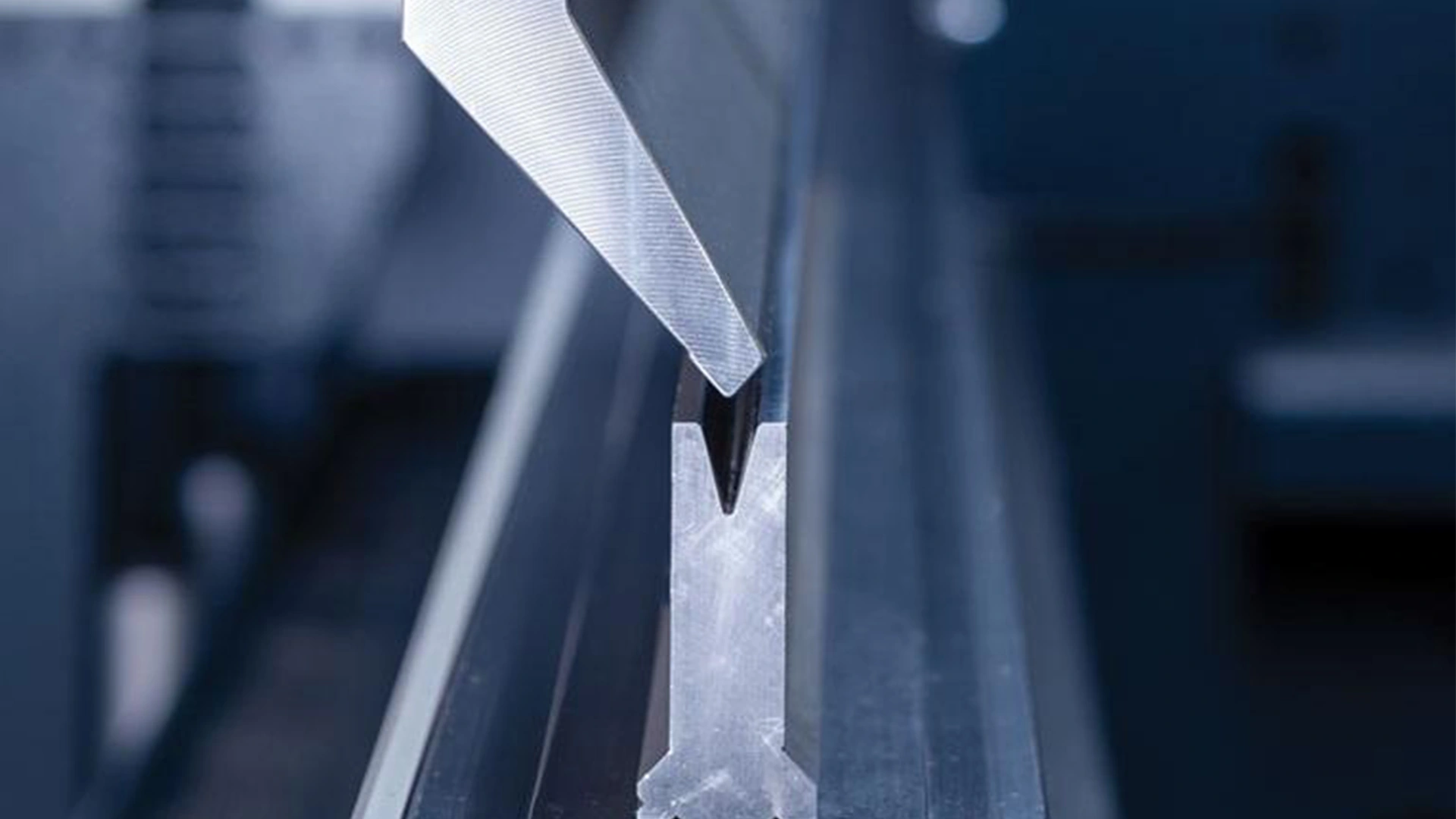
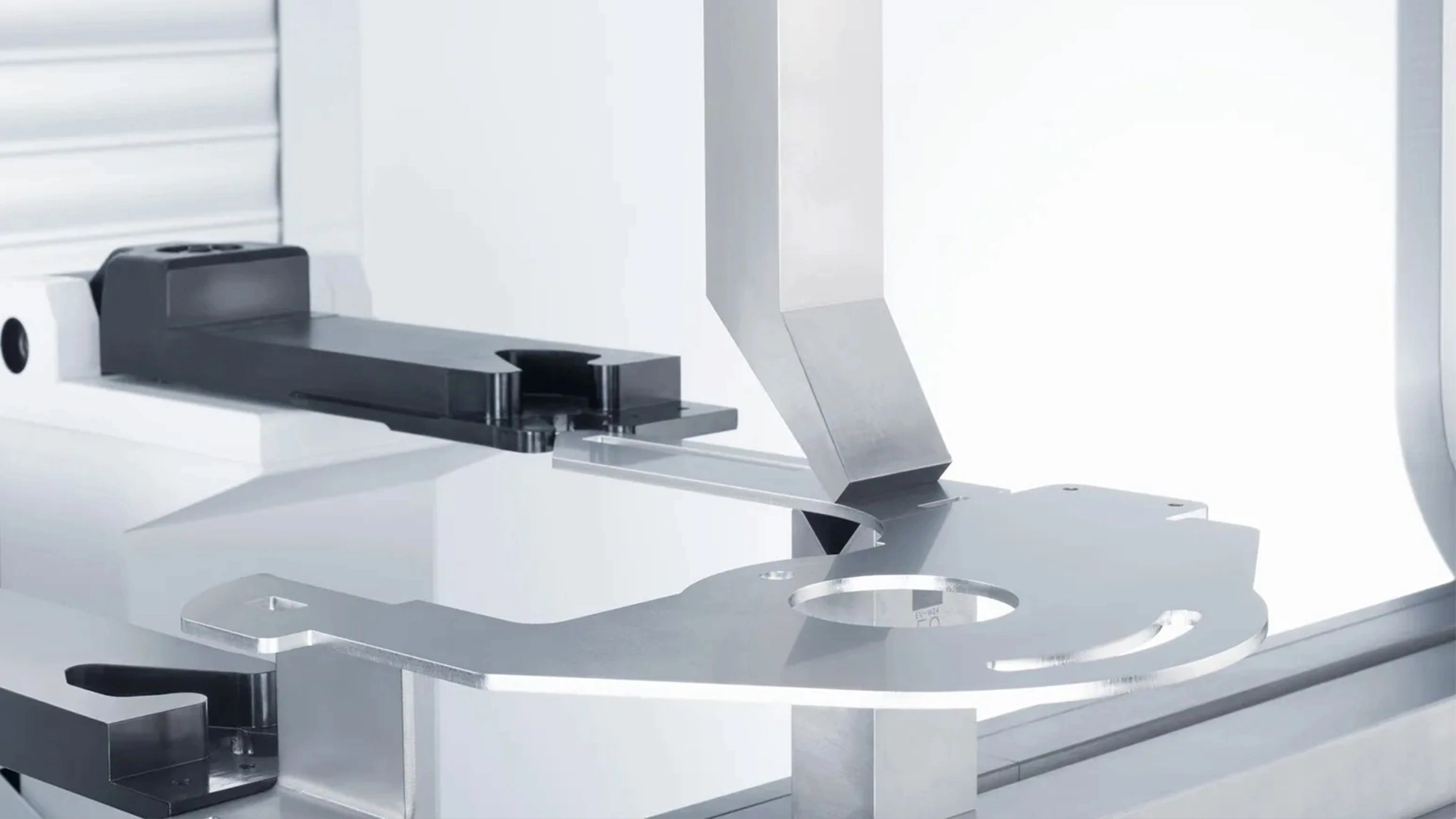
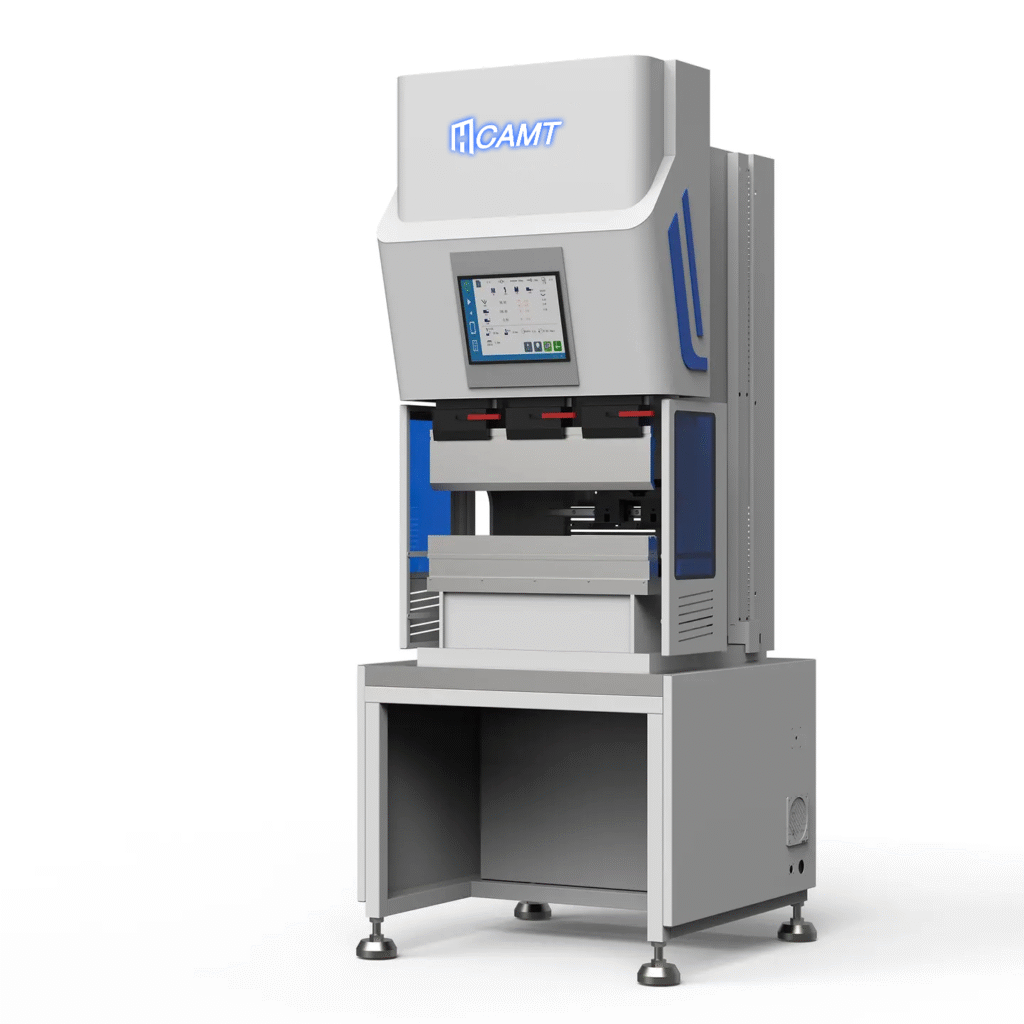
An electric press brake relies entirely on servo motors to power its operations, eliminating the need for hydraulic fluids altogether. Picture this: a servo motor connects directly to a ball screw or belt drive system, converting electrical energy into mechanical motion with pinpoint accuracy. The ram—the part that descends to bend the metal—moves via this direct linkage, controlled by a CNC (Computer Numerical Control) system that processes digital inputs for angle, speed, and force.
This setup isn’t just simple; it’s revolutionary. Without intermediate components like pumps or valves, there’s “zero transmission gap,” meaning commands translate instantly to action. For instance, operators can program bends down to fractions of a degree, with the system adjusting in real-time based on material feedback. Historically, early electric models in the 1990s were limited to smaller tonnages, but advancements—like those from companies such as Prima Power—have pushed capacities beyond 300 tons, incorporating features like automatic crowning to compensate for machine deflection under load.
In practice, this means seamless integration into smart factories. Imagine a setup where the press brake communicates with upstream lasers or downstream robots, pulling data from CAD files to execute complex sequences without human intervention. It’s not hype; it’s happening in facilities producing everything from smartphone casings to aircraft panels.
CNC Press Brake: Combining Power with Fluid Dynamics
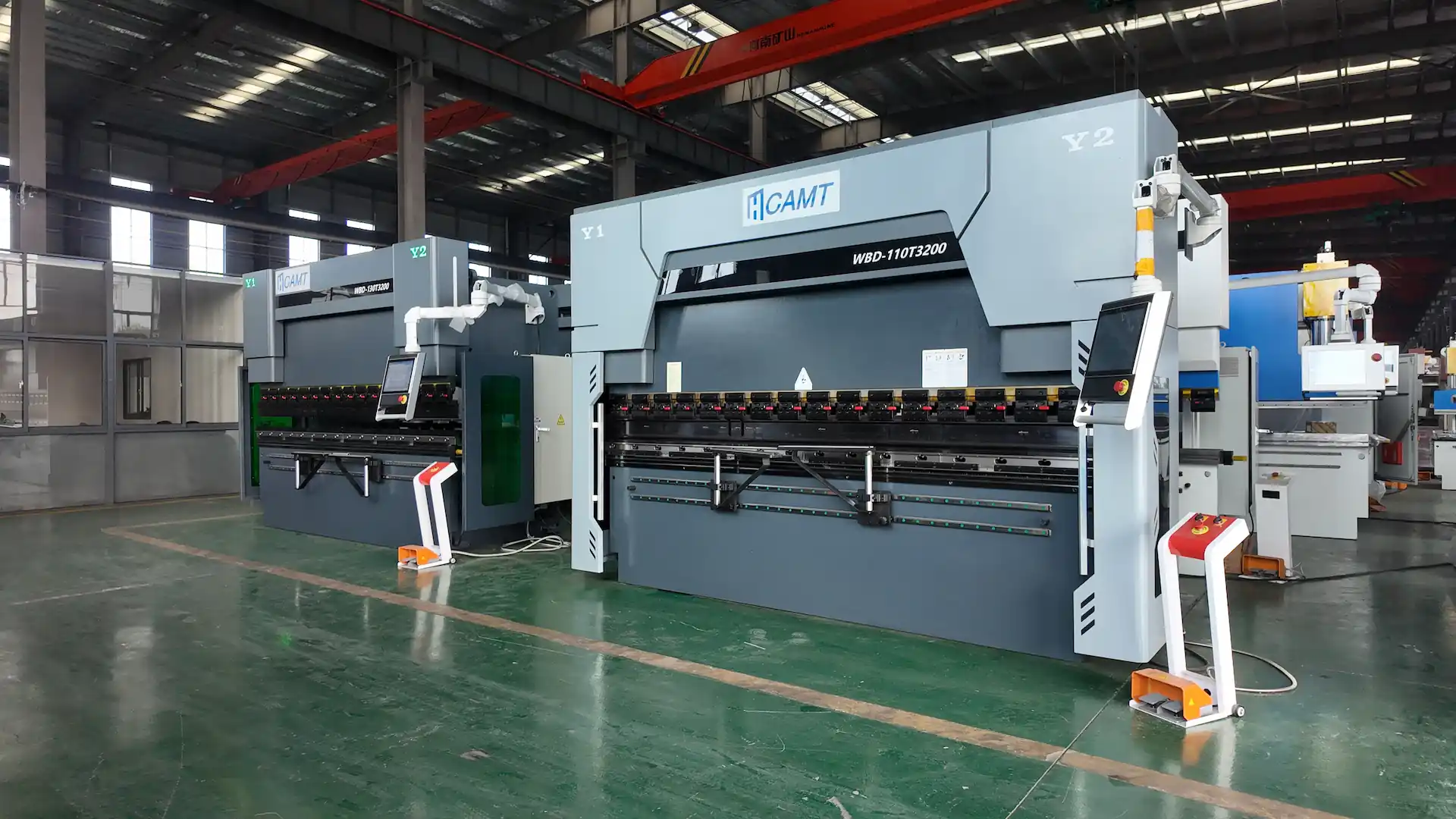
On the other side, CNC press brakes blend electric servo motors with traditional hydraulic systems, creating a hybrid that’s powerful yet somewhat controlled. Here, a servo motor drives a hydraulic pump, which pressurizes oil to actuate cylinders that move the ram. This dual-energy approach—electric for control, hydraulic for force—allows for variable pressure adjustments via proportional valves, fine-tuning the flow and responding to load changes.
Think of it as an upgraded version of pure hydraulic machines from the 1970s, where constant pump running wasted energy. Modern CNC press brakes incorporate variable-speed pumps that ramp up only when needed, reducing inefficiency. However, the system’s inertia—from oil viscosity and valve delays—can introduce slight lags, especially in cold starts or after prolonged use, where oil temperature fluctuations affect performance.
This design shines in scenarios demanding raw power. For example, bending thick steel plates requires the hydraulic muscle that electrics might struggle with at higher tonnages. Yet, it’s not without evolution; recent models integrate closed-loop controls for better synchronization, drawing from aerospace tech to minimize variances.

Core Differences Summarized: A Tale of Efficiency vs. Power
At their heart, the divide boils down to energy transfer. Electric press brakes achieve near-instantaneous response through direct drive, minimizing losses—often cited as 50% less energy waste compared to hydraulics. CNC press brakes, while improved, still convert energy twice (electric to hydraulic, then to mechanical), leading to inherent inefficiencies like heat buildup and fluid degradation.
To visualize:
Aspect | Electric Press Brake | CNC Press Brake |
Drive System | Servo motors + ball screws/belts | Servo motors + hydraulic pumps/cylinders |
Energy Source | Pure electricity | Electricity + hydraulic oil |
Response Time | Instant (no inertia) | Slight delay due to fluid dynamics |
Complexity | Simplified (fewer parts) | More components (pumps, valves, tanks) |
This foundation sets the stage for how they perform in real-world metrics, which we’ll dissect next.
Performance Comparison: Where the Rubber Meets the Metal
Performance isn’t abstract—it’s measured in microns, kilowatts, and minutes saved per shift let’s compare key areas, incorporating data from rigorous testing.
Accuracy and Repeatability: The Quest for Perfection
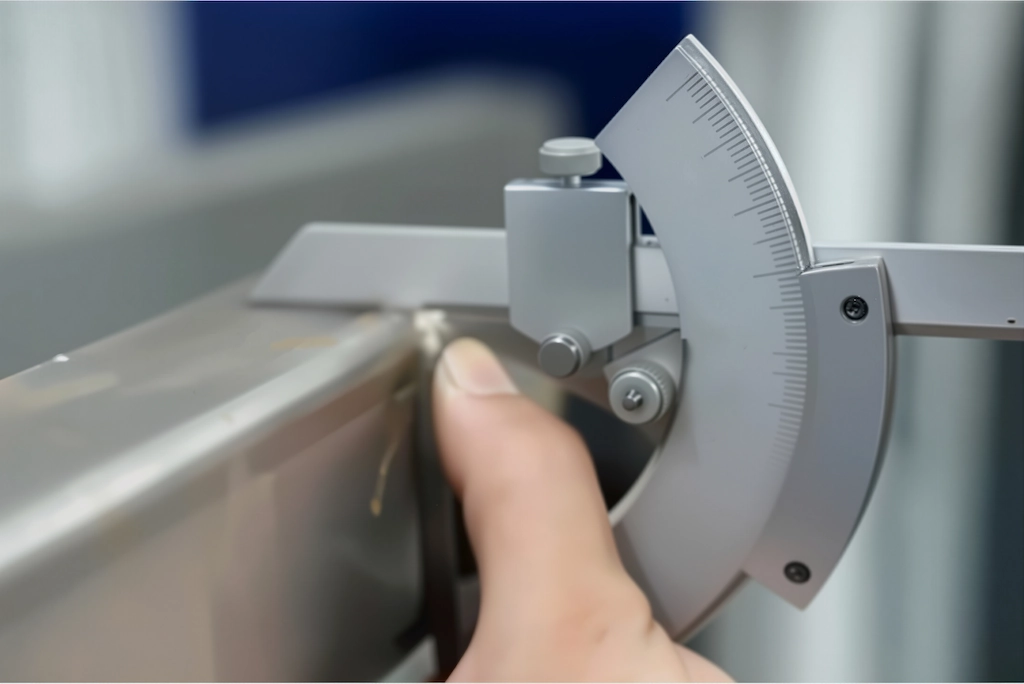
Precision is non-negotiable in industries like electronics or medical devices, where a 0.1mm deviation can scrap a part. Electric press brakes excel here, offering positioning accuracy up to ±0.000079 inches (1 micron), thanks to servo feedback loops that correct in milliseconds. This repeatability ensures every bend matches the first, even across thousands of cycles.
CNC press brakes, while solid at ±0.0004 inches (10 microns), suffer from variables like oil temperature changes or valve wear, necessitating periodic calibrations. In a real scenario, an aerospace supplier using electric brakes reported 20% fewer rejects on aluminum alloys, attributing it to the system’s stability.
But it’s not all one-sided; for less stringent tasks like structural steel, hydraulics’ slight variance is tolerable, especially when paired with advanced CNC for compensation.
Energy Consumption and Environmental Friendliness: Going Green Without Compromise
Sustainability isn’t a buzzword—it’s a cost saver. Electric press brakes consume power only during motion, slashing usage by 50-80%. A 100-ton model might use just 12 kWh per 8-hour day, versus 60 kWh for a hydraulic counterpart, translating to annual savings of $2,450 at average U.S. rates. No oil means no leaks or disposal hassles, aligning with regulations like EU’s REACH.
CNC press brakes improve on pure hydraulics with variable pumps, cutting idle consumption by 30%, but they still run hotter and require oil changes every 1,000-2,000 hours. A fabrication shop in California switched to electrics and reduced their carbon footprint by 40%, per internal audits, while avoiding fines for oil spills.
Speed and Efficiency: Keeping Pace with Production Demands
Time is money, and electric press brakes deliver with cycle times 30-50% shorter. Approach speeds hit 200mm/s, and the lack of dwell time (no waiting for pressure buildup) means faster setups for small batches. In flexible manufacturing, this flexibility shines—switching tools or programs takes seconds.
CNC press brakes offer rapid approach but slower bending due to fluid inertia, making them better for steady, high-volume runs like automotive frames. One heavy equipment maker noted 18% faster production on thick plates with hydraulics, but conceded electrics edge out in mixed jobs.
Maintenance Costs: Long-Term Reliability in Focus
Downtime kills profits. Electric models boast simpler designs with 75% lower servicing costs—no filters, seals, or oil to replace. Routine checks involve lubricating guides and verifying electrics, often predictive via IoT sensors.
CNC press brakes demand more: oil swaps ($200-500 each), leak fixes, and valve overhauls, potentially costing thousands yearly. A Midwest fabricator’s case study showed electric brakes running 95% uptime versus 85% for hydraulics over a year.
Advantages: Tailoring Strengths to Your Needs
Each type brings a unique toolkit, honed by decades of refinement.
Advantages of the Electric Press Brake
- Energy Savings and Eco-Friendliness: On-demand power cuts bills and emissions, with no oil pollution—perfect for green-certified operations.
- Superior Precision Control: CNC-driven for consistent results, reducing waste in high-value materials.
- High Efficiency: Faster cycles boost output by 30%, ideal for just-in-time manufacturing.
- Low Noise Operation: Under 70 dB, enhancing worker comfort in shared spaces.
- Reduced Maintenance: Fewer parts mean lower long-term costs, with some models claiming 50% less downtime.
- Smart Integration: Easy IoT connectivity for remote monitoring and AI-optimized parameters.
- Flexibility: Quick parameter tweaks for diverse materials, from thin aluminum to composites.
In essence, electrics feel like the future—agile and intelligent.
Advantages of the CNC Press Brake
- Robust Power for Heavy Tasks: Handles tonnages over 500, bending thick plates (6mm+) without strain.
- Versatility in Applications: Excels in continuous, high-strength work like construction beams.
- Cost-Effective Upfront: Lower initial price tag, appealing to budget-conscious startups.
- Stable Under Load: Hydraulic damping absorbs shocks, maintaining performance in rugged environments.
- Proven Reliability: Decades of use mean abundant parts and expertise availability.
- Hybrid Efficiency Gains: Modern versions with servo valves cut energy use by 20-30% over old hydraulics.
- Scalability: Suited for large-scale ops where raw force trumps ultra-precision.
While not as flashy, hydraulics remain the workhorse for demanding jobs.
Typical Application Scenarios: Matching Machines to Missions
Choosing boils down to what you’re bending and how often.
Electric Press Brake Applications: Precision in Action
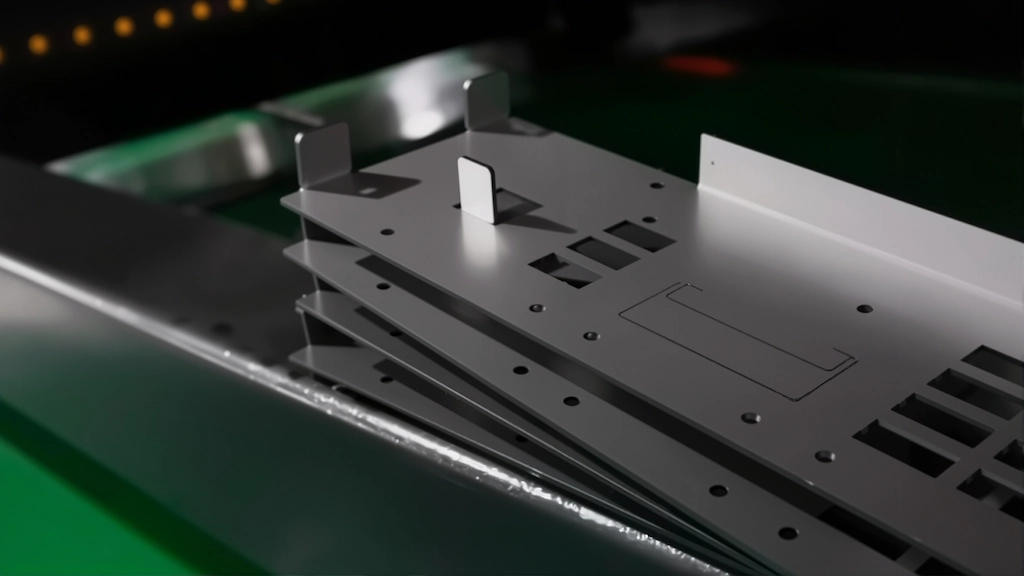
These thrive in high-tech sectors. For 3C electronics, they form delicate casings with tolerances under 0.05mm. In aerospace, they’re used for lightweight alloy parts like brackets, where repeatability ensures safety compliance. Medical devices benefit from clean, oil-free operation in sterile environments.
Small to medium enterprises love them for quick-changeovers in custom jobs—think a job shop handling 50 different orders daily. A case from Midwest Engineering Systems involved automating a Bystronic electric brake with robotics, slashing cycle times for varied metal parts. Clean rooms in food processing also favor them to avoid contamination.
CNC Press Brake Applications: Power for the Heavy Lift
For big iron, hydraulics rule. Automotive plants bend chassis beams and panels, leveraging high tonnage for thick steels. Shipbuilding and construction use them for hull sections or girders, where force overrides finesse.
In continuous production, like architectural steel, their thermal stability shines during 24/7 shifts. A heavy equipment manufacturer stuck with hydraulics for 500+ ton jobs, achieving 18% throughput gains on thick materials, despite higher energy use. Budget-sensitive firms in emerging markets often start here for cost reasons.
Market Trends and Selection Suggestions: Navigating the Future
The press brake market is tilting electric, projected to grow 7% annually through 2030, driven by automation. Electric press brakes are breaking into higher tonnages (1,000+ tons) with AI for self-optimizing bends, while CNC press brakes evolve via variable-frequency pumps to close the efficiency gap.
When selecting:
- For High-Precision, Small Batches: Go electric—initial cost pays off in savings.
- For Heavy-Duty, Volume Work: Choose CNC press brake for power and affordability.
- Budget and Regulations: Factor total ownership costs; electrics win on green mandates.
- Hybrid Option: If undecided, consider true hybrids for balanced performance.
Test runs and ROI calculators from vendors like Boschert Gizelis can clarify.
Conclusion: Choosing Your Path in Press Brake Evolution
Electric and CNC press brakes each carve out niches in manufacturing’s diverse ecosystem. Electric press brakes lead with precision, efficiency, and sustainability, poised to dominate as tech advances. CNC press brakes hold firm in power-intensive realms, offering reliability where it counts most. Ultimately, align your choice with production goals, material needs, and long-term vision. As electrification matures, perhaps a fusion of both will emerge as the ultimate solution, driving the next wave of fabrication innovation.

Metalworking specialist with 12 years of experience in sheet metal fabrication and press brake applications, certified by ASME.