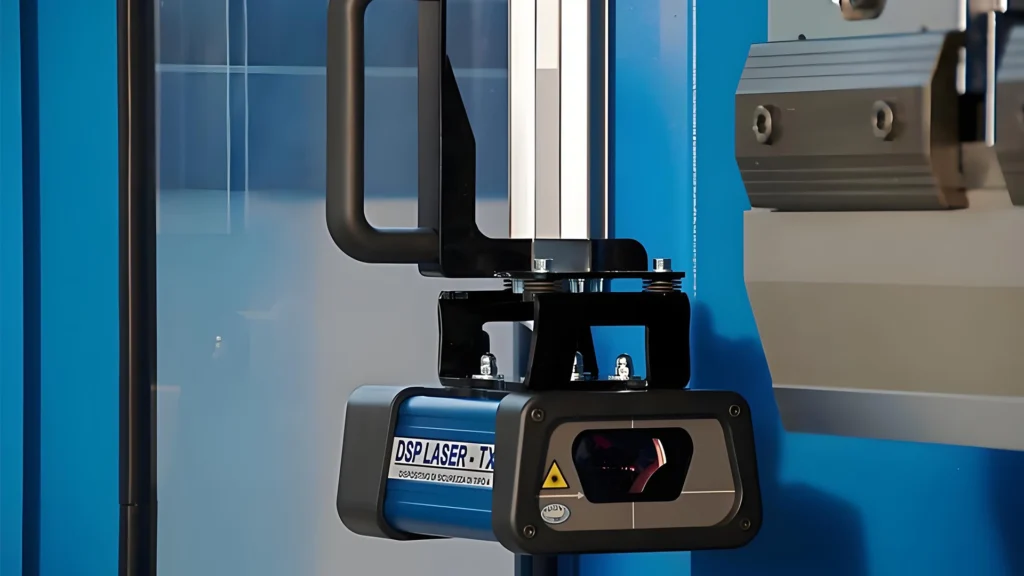
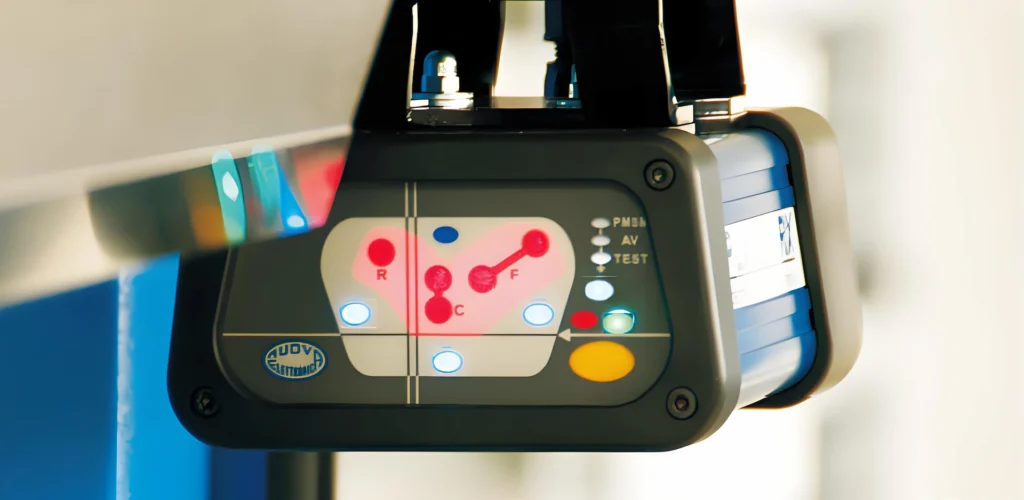
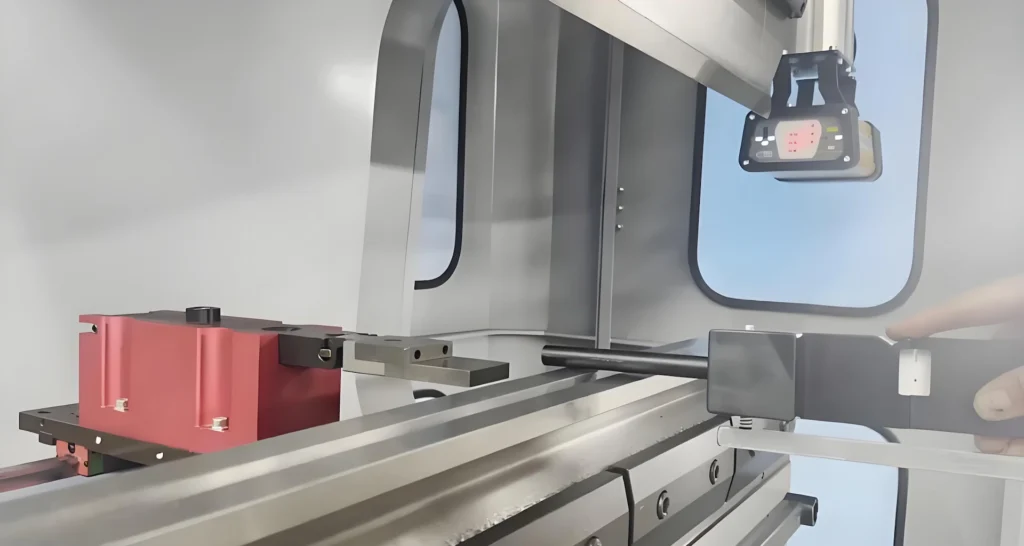
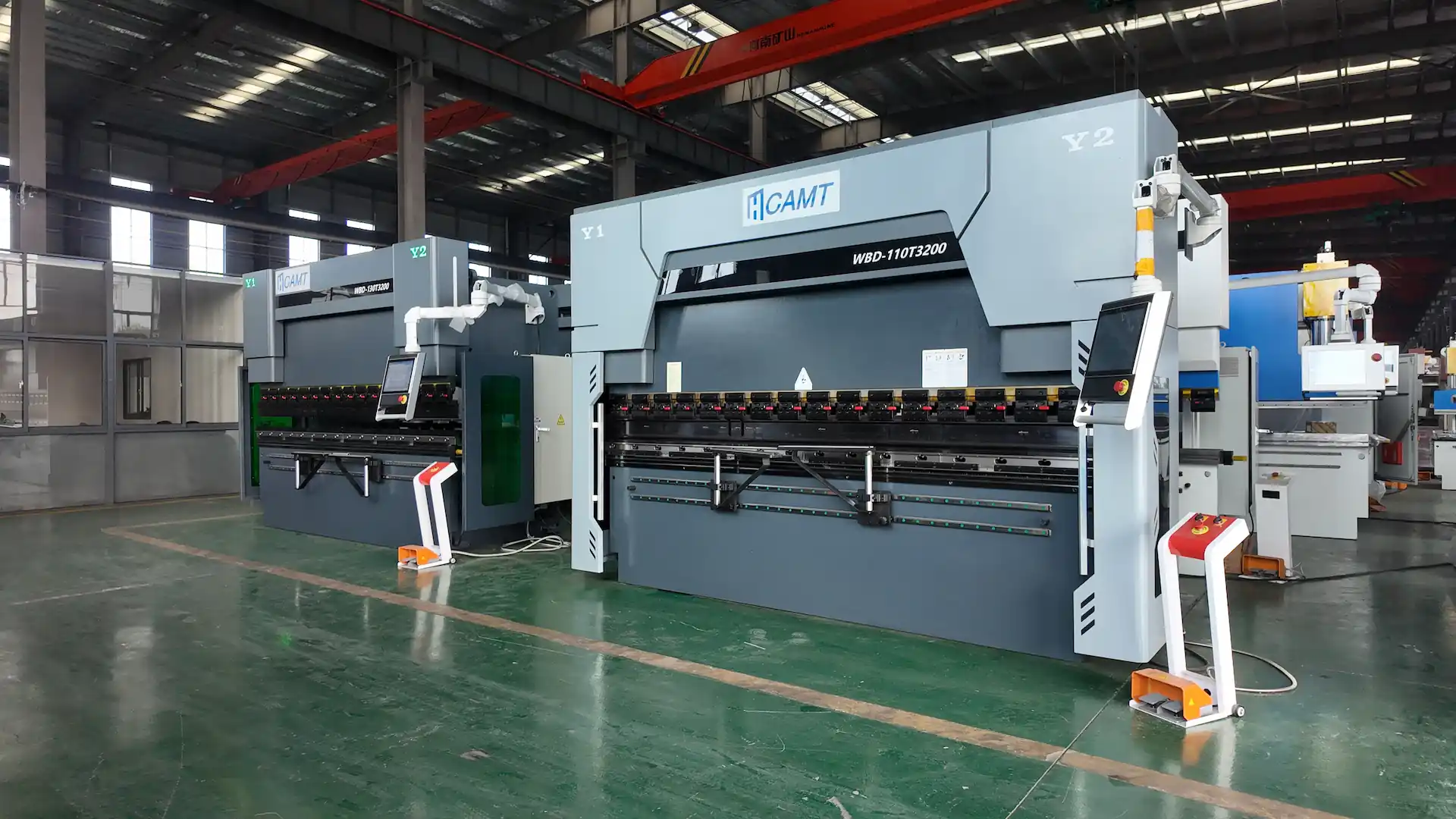
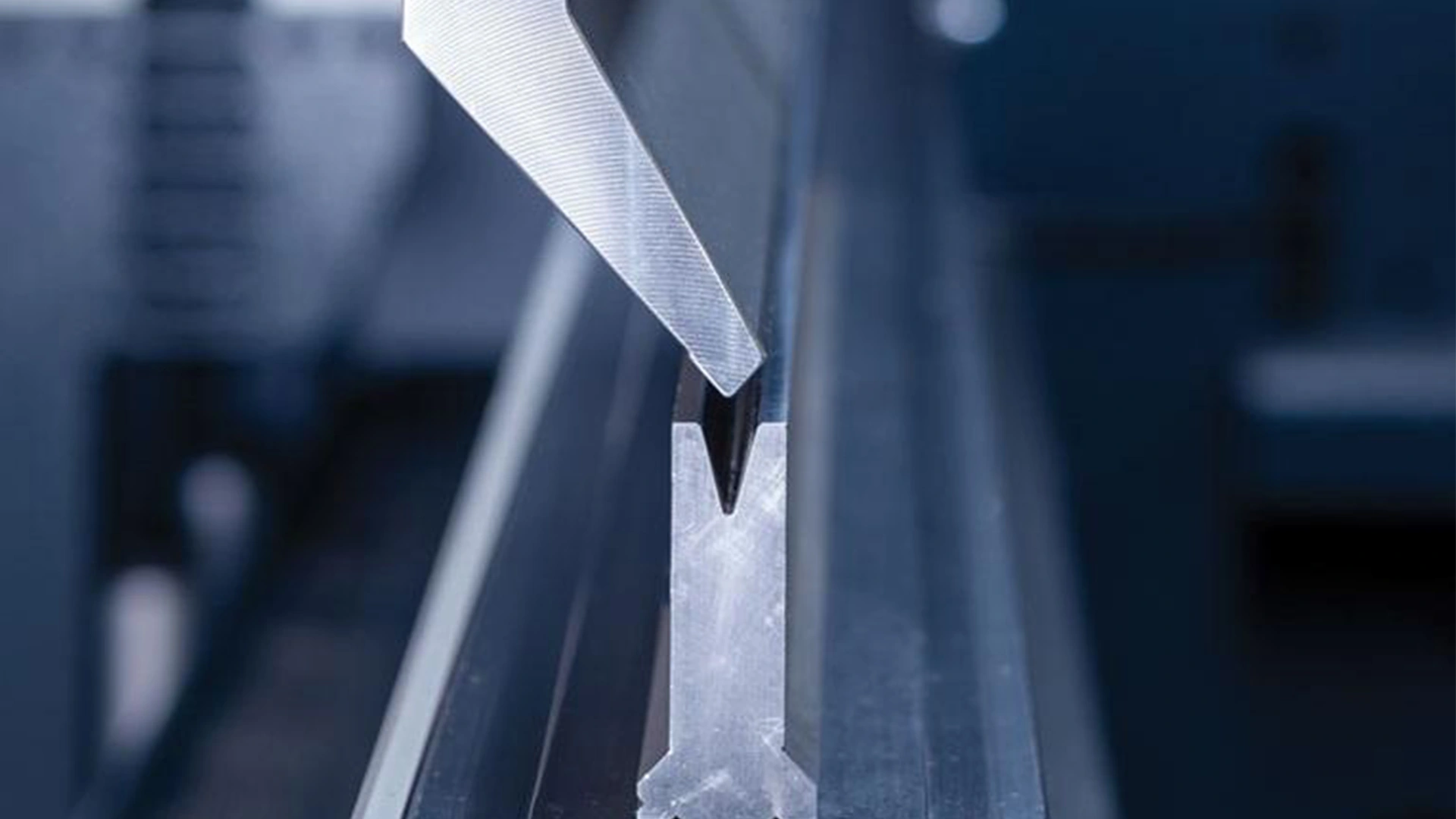
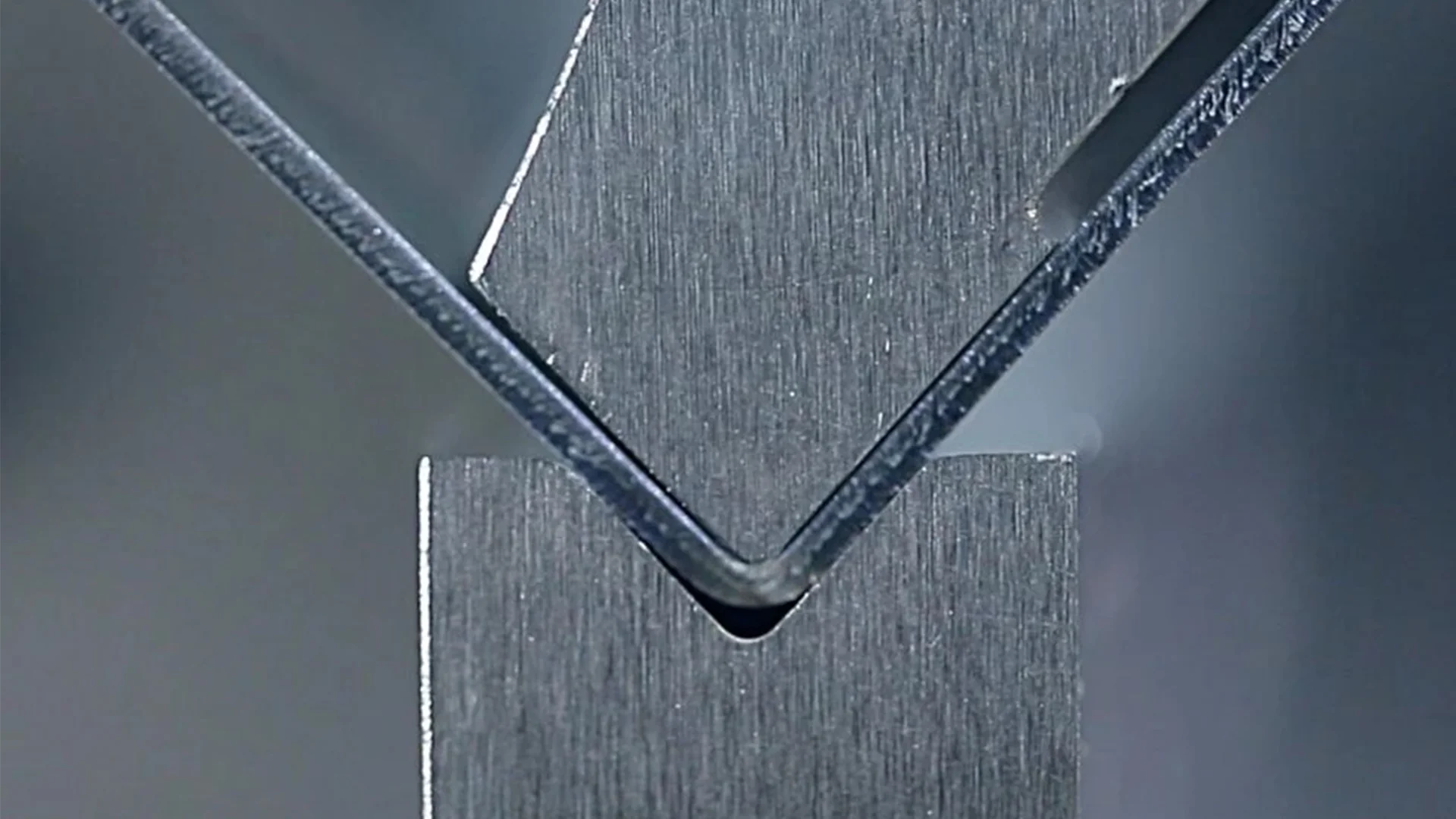
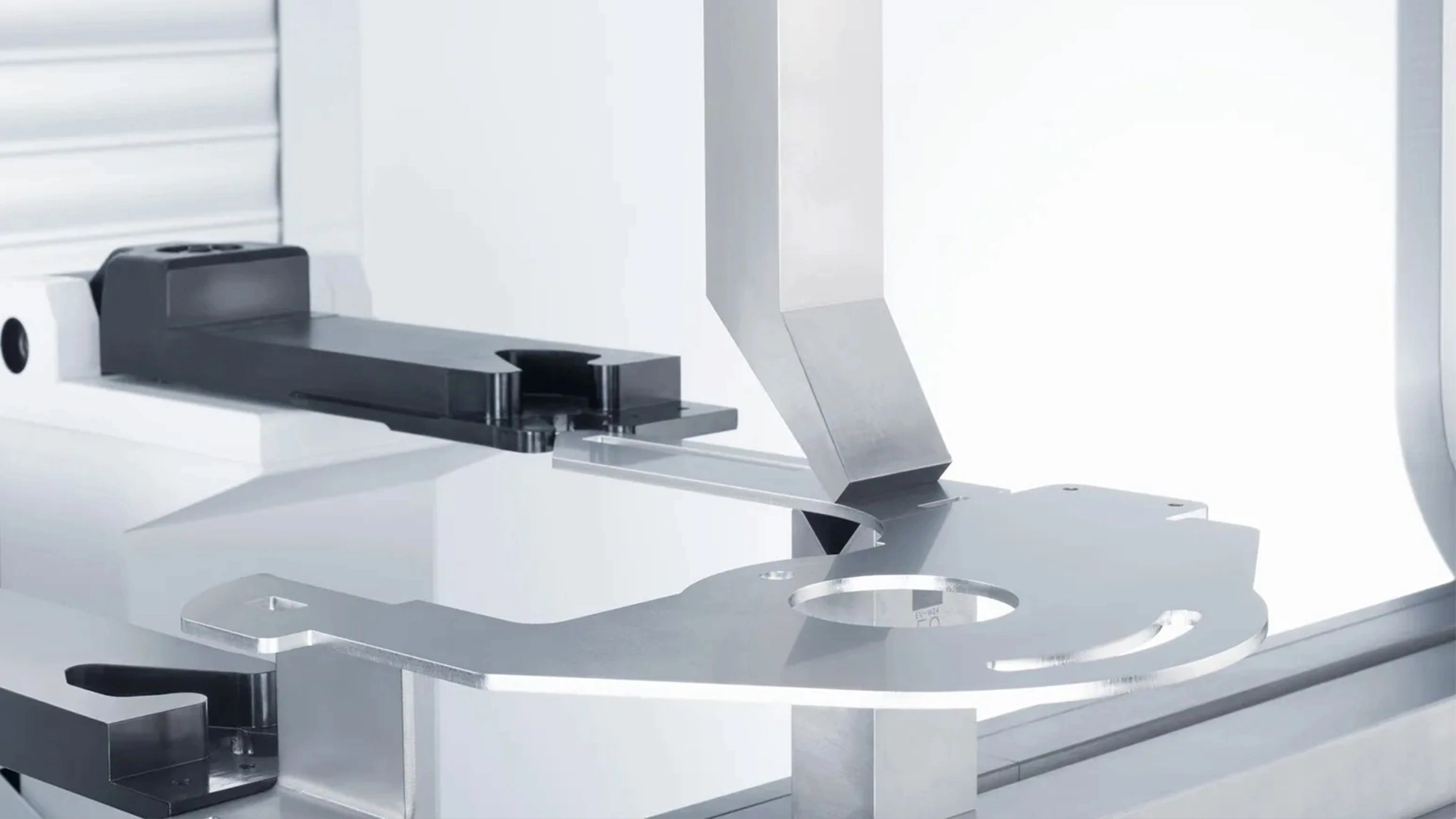
Press brake safety protection refers to systems designed to prevent operator injury during bending operations, typically using sensors, light curtains, or dynamic detection technology.
Q2: How does DSP differ from traditional light curtains?
Unlike static light curtains, DSP systems create a dynamic detection zone that moves with the ram, offering better protection and fewer false stops.
Q3: Is DSP press brake safety suitable for small or complex parts?
Yes. Special operating modes allow controlled operation while maintaining protection near the punch tip.
Q4: Does masking detection zones reduce safety?
When applied correctly and based on risk assessment, selective masking improves usability without compromising operator safety.
Q5: Can DSP systems help meet CE and ISO safety standards?
Yes. DSP press brake safety systems are designed to support compliance with major international safety regulations.