






What Is A CNC Press Brake Price
2026 CNC Press Brake Price Guide– Detailed comparison of entry-level, mid-range, and premium machines. Learn real pricing for 30-ton and 100-ton models, hydraulic vs hybrid vs servo-electric systems, import vs domestic differences, hidden costs, and Total Cost of Ownership (TCO) insights.
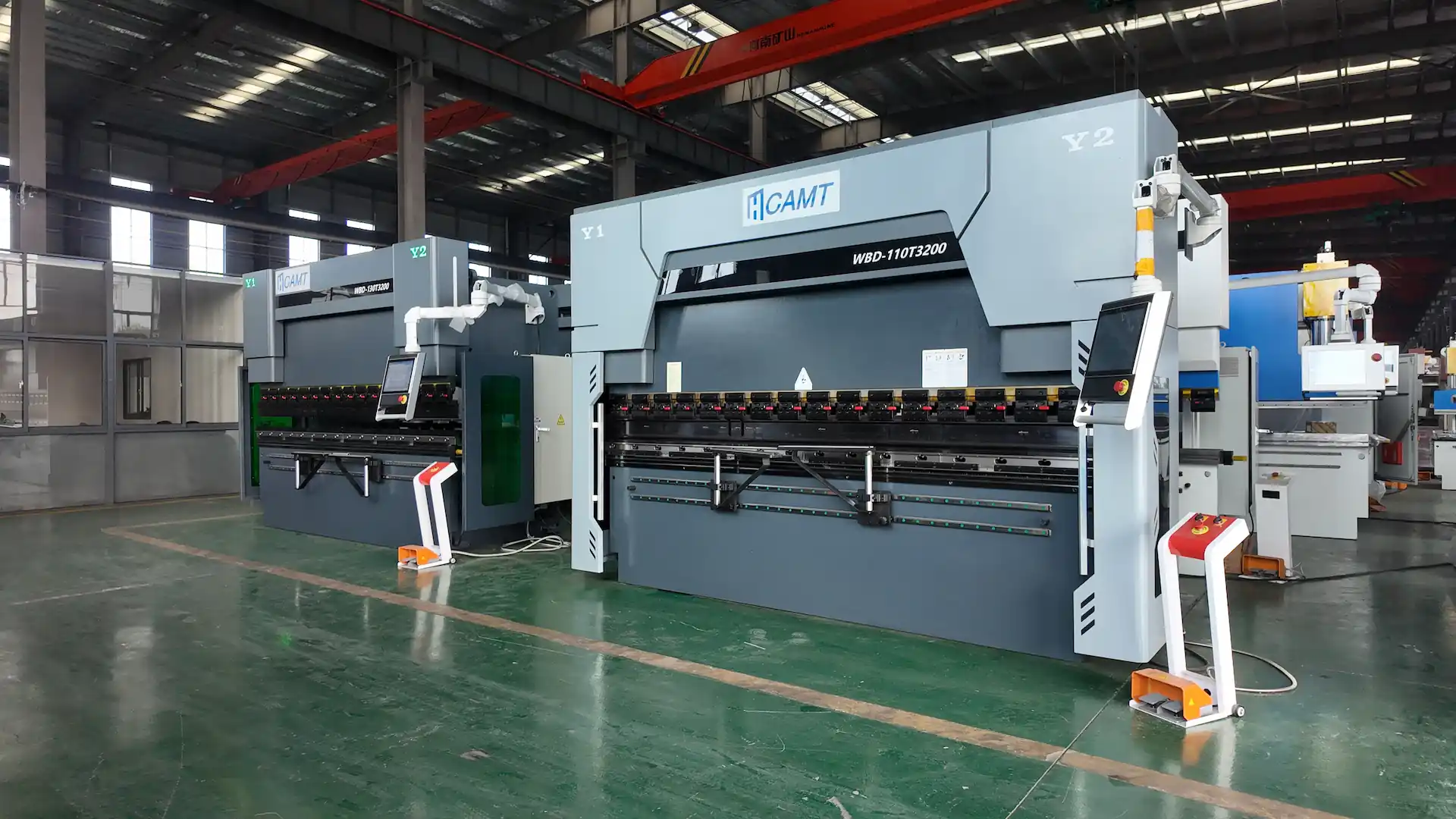
Why Understanding CNC Press Brake Cost in 2026 Is Critical
In 2026, focusing solely on the sticker price of a CNC press brake is a costly mistake. Smart fabricators evaluate the **Total Cost of Ownership (TCO)** — including energy consumption, maintenance, downtime, operator training, and long-term productivity gains.
Many shops have lost tens of thousands of dollars by choosing the cheapest machine, only to face high energy bills, frequent breakdowns, and poor after-sales support. This comprehensive 2026 guide combines current market data, real-world purchasing experiences, and expert insights to help you make an informed investment decision.
Key Trends Shaping CNC Press Brake Prices in 2026
– Increased integration of AI and adaptive bending technology
– Rising energy costs making servo-electric and hybrid drives more attractive
– Ongoing trade policies and tariffs affecting import pricing
– Labor shortages driving demand for user-friendly, highly automated systems
– Stricter environmental regulations limiting hydraulic oil usage and energy consumption
2026 CNC Press Brake Price Overview
| Machine Category | Picking a press brake system boils down to that sweet spot: Meeting demands without budget bloat. Elite setups with closed-loop magic transform precision shops, while solid mids keep general fab humming affordably. Whatever your path, prioritize trials—nothing beats feeling the flow. | Ready to bend smarter? Audit your setup today, shortlist smartly, and watch your throughput soar. For custom advice, drop a line—I’ve seen these systems turn chaos into cash flow. | Typical Tonnage |
|---|---|---|---|
| Entry-Level / Small Shops | $25,000 – $60,000 | Prototyping and low-volume work | Up to 30 tons |
| Mid-Range Professional | $60,000 – $150,000 | Medium production runs | 30 – 100 tons |
| Premium Industrial | $150,000 – $500,000+ | High-volume, high-precision lines | 100 tons and above |
Expert Insight: In 2026, most growing fabrication shops find the best balance in the 80–150 ton hybrid or servo-electric range. These machines deliver excellent power, precision, and significantly lower operating costs over time.(2026-2032 Press Brakes Market Report)
30 Ton CNC Press Brake Cost Breakdown
– Standard Hydraulic Models: $28,000 – $45,000
Simple, reliable, and budget-friendly, but higher long-term energy and maintenance costs.
– Advanced CNC Models: $45,000 – $75,000
Feature programmable bending sequences, better accuracy, and improved integration capabilities.
Recommendation: Ideal for electronics enclosures, medical device components, and small custom parts. A great starting point for smaller operations.
100 Ton CNC Press Brake Price Analysis 2026
– Improvement Percentage: $85,000 – $140,000
Strong power for thicker materials, but less efficient in energy use.
– Hybrid Systems: $140,000 – $200,000
Combine hydraulic force with servo precision. Excellent energy savings (30-50% lower consumption) and better repeatability.
– High-Precision Models: $200,000+
Include active crowning, laser angle measurement, offline programming, and automation readiness.
My Professional View: For shops running two shifts or more, hybrid models often provide the strongest 3-year ROI thanks to reduced energy costs and lower maintenance compared to traditional hydraulic machines.
Servo-Electric Press Brakes: Are They Worth the Premium?
Servo-electric (all-electric) press brakes typically range from **$120,000 to $350,000**, commanding a 40–80% premium over hydraulic models.Read our in-depth comparison of hydraulic vs electric press brakes
Key Advantages in 2026:
– 50–70% lower energy consumption (power used only during actual bending)
– Superior precision and repeatability (±0.005 mm or better)
– Significantly reduced maintenance (no hydraulic fluid or pumps)
– Quieter operation and cleaner working environment
– Faster cycle times when paired with modern CNC controls
Expert Opinion: If your work demands high precision, frequent bending, or aligns with sustainability goals, servo-electric machines usually pay back the extra investment within 24–36 months. For very heavy thick-plate work, hybrid systems may still be more practical.
Import vs Domestic vs European CNC Press Brakes (2026 Comparison)
| Origin | Picking a press brake system boils down to that sweet spot: Meeting demands without budget bloat. Elite setups with closed-loop magic transform precision shops, while solid mids keep general fab humming affordably. Whatever your path, prioritize trials—nothing beats feeling the flow. | Quality & Support Level | Best Suited For |
|---|---|---|---|
| Chinese Imports | $22,000 – $90,000 | Medium to Variable | Budget-conscious, simpler jobs |
| American-Made | $80,000 – $400,000 | 高い | Fast local service and compliance |
| European Brands | $100,000 – $450,000+ | 非常に高い | High-precision, automated production |
Strategic Advice: When downtime is expensive (e.g., automotive Tier 1 or aerospace suppliers), European or American brands often deliver better long-term value. Well-supported Chinese imports can work well for smaller shops with reliable local distributors.
Hidden Costs and Total Cost of Ownership (TCO)
Always calculate beyond the purchase price. Major additional expenses include:
– Shipping and freight: $3,000 – $15,000
– Installation, foundation, and electrical setup: $5,000 – $25,000
– Annual maintenance: $2,000 – $8,000
– Operator training and software licenses: $500 – $5,000 per person
– Energy cost differences between hydraulic and servo-electric models
Pro Tip: Build a 5-year TCO spreadsheet using your actual electricity rate, daily operating hours, and expected scrap reduction. Many premium machines prove cheaper overall due to higher throughput and lower waste.
New vs Used / Refurbished Machines in 2026
Used CNC press brakes can offer 30–60% savings, especially on 3–5 year old models. Refurbished machines with warranties provide a solid middle ground. Always verify maintenance history, CNC control version, and spare parts availability before buying used.
When Used Makes Sense:
– Startups or low-volume shops
– Temporary or project-based needs
– When the latest AI features are not required
How to Get the Best Price and Accurate Quotation
Learn how to choose the right press brake for your workshop
1. Clearly define your requirements (material thickness, part sizes, daily volume, precision needs)
2. Prepare detailed RFQs and contact 4–6 reputable suppliers
3. Compare full packages — tooling, training, installation, warranty, and service response times
4. Negotiate for included training, tooling packages, or extended warranties rather than just price cuts
5. Consider purchasing during Q1 clearance periods or major trade shows for better deals
Ready to Make the Right Investment?
What are your current bending requirements? Small-batch precision parts or medium-to-high volume production?
Contact our team today with your material specifications, bending length, and expected daily output. We will provide a personalized 2026 CNC press brake recommendation along with a clear Total Cost of Ownership analysis.
Free Bonus: Request a quote and receive the **2026 CNC Press Brake TCO Calculator (Excel)** at no cost.
—
FAQ – CNC Press Brake Cost 2026
Q: What is the typical CNC press brake price range in 2026?**
A: Entry-level machines start at $25,000–$60,000, mid-range professional models range from $60,000–$150,000, and premium high-automation systems can exceed $150,000–$500,000+.
Q: How much does a 30-ton CNC press brake cost?
A: Standard hydraulic models range from $28,000–$45,000, while advanced CNC-equipped versions cost $45,000–$75,000. Perfect for small precision components.
Q: What is the price difference between hydraulic and hybrid 100-ton models?
A: Hydraulic models typically cost $85,000–$140,000, while hybrid systems range from $140,000–$200,000, offering better energy efficiency and precision.
Q: Are servo-electric press brakes worth the higher price?
A: Yes, for most precision or high-volume shops. The energy savings (50-70%) and reduced maintenance often deliver payback within 2–3 years.
Q: Should I choose Chinese import or European/American brands?
A: Chinese imports offer lower upfront costs but may have limited local support. European and American brands provide superior reliability, software, and after-sales service — often resulting in lower TCO.
Q: What hidden costs should I budget for?
A: Shipping ($3,000–$15,000), installation ($5,000–$25,000), annual maintenance ($2,000–$8,000), training, and energy consumption differences.
Q: Does buying a used CNC press brake make sense in 2026?
A: Yes, especially for budget-limited or lower-volume operations. Savings of 30–60% are common, but always check service history and support availability.
This guide is based on 2026 market data, manufacturer insights, and real fabrication shop experiences. Prices are approximate and may vary depending on configuration, location, and supplier. Always request current official quotations.
Ready to move forward?
Get your personalized CNC press brake quote and expert recommendation tailored to your 2026 production needs.