







プレスブレーキの価格に影響を与えるものは何か
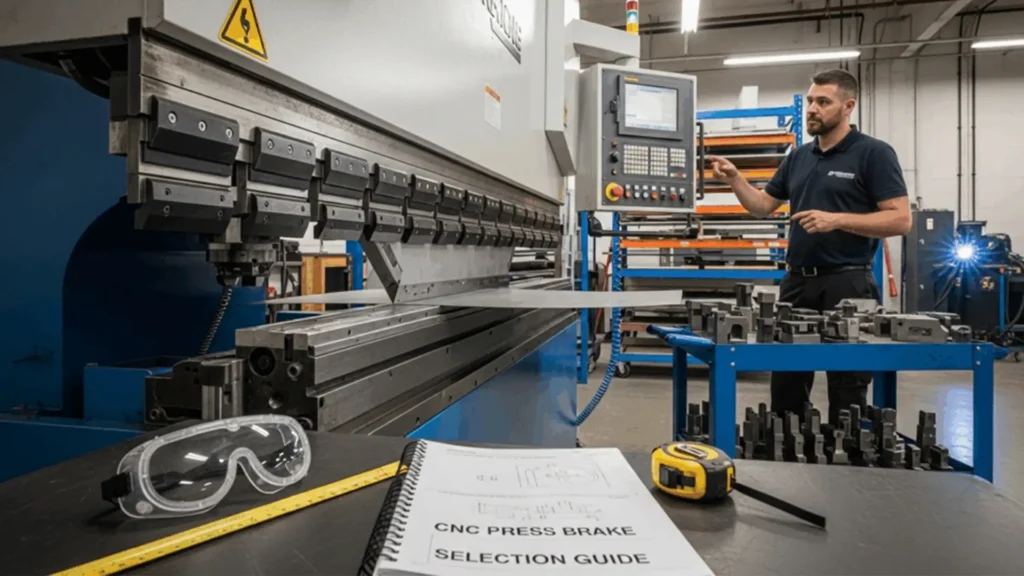
What Affects the Press Brake Price Buying a press brake remains one of the largest capital decisions for metal fabricators, job shops, and OEMs. With the global press brake market projected to reach approximately US$800 million in 2026 and grow at a 6.1% CAGR through 2033, manufacturers face more options than ever—hydraulic workhorses, energy-efficient electric servo models, hybrid systems, and fully robotic bending cells.The sticker price is only the beginning. Tonnage, bed length, CNC sophistication, drive type, crowning technology, automation level, and brand origin together determine 80-90% of the final cost. Understanding these seven core variables—and the total cost of ownership (TCO) over 5–10 years—can save 25-40% in long-term expenses […]
What Is A CNC Press Brake Price
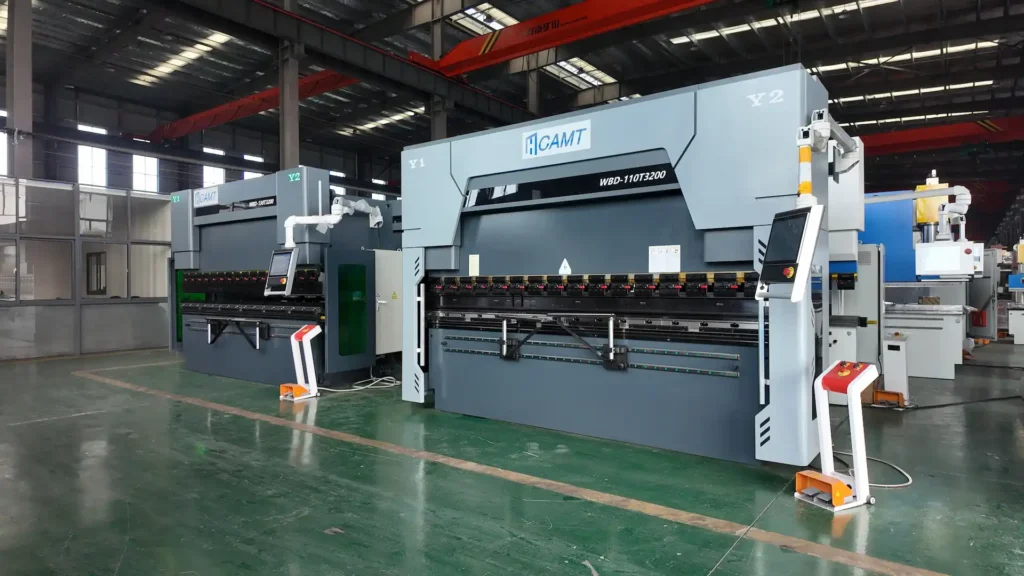
2026年におけるCNCプレスブレーキの価格とは? 2026年CNCプレスブレーキ価格ガイド – エントリーレベル、ミッドレンジ、プレミアムマシンの詳細な比較。30トンおよび100トンモデルの実際の価格、油圧式 vs ハイブリッド式 vs サーボ電動式システム、輸入 vs 国産の違い、隠れたコスト、および総所有コスト(TCO)に関する洞察を学びましょう。2026年にCNCプレスブレーキのコストを理解することがなぜ重要なのか 2026年において、CNCプレスブレーキの表示価格のみに注目することは、費用のかかる間違いです。賢明な加工業者は、エネルギー消費、メンテナンス、ダウンタイム、オペレーターのトレーニング、および長期的な生産性向上を含む**総所有コスト(TCO)**を評価します。多くの工場が、最も安価な機械を選択したことで、数万ドルを失ってきました、[…]
Common Press Brake Buying Mistakes
一般的なプレスブレーキ購入の失敗 適切なプレスブレーキを選ぶことは、あらゆる金属加工工場にとって最も重要な決定の一つです。誤った選択は、曲げ加工のばらつき、過剰なスクラップ、頻繁な故障、そして数千ドルに及ぶ隠れたコストにつながる可能性があります。2026年には、材料費の高騰と精密部品への需要の高まりにより、一般的なプレスブレーキ購入時の間違いを避けることが、長期的な収益性と競争力にとって不可欠です。この専門ガイドでは、プレスブレーキを選定する際にメーカーが犯す上位12の間違いを網羅しており、実用的なトン数計算式、実際の事例、2026年版の最新制御システム比較、および8つの詳細な加工工場ケーススタディが含まれています。2026年の主要なポイント – トン数は常に最小限で計算してください […]
How to Choose the Right Press Brake for Your Workshop
ワークショップに最適なプレスブレーキの選び方 適切なプレスブレーキを選ぶことは、あらゆる金属加工工場にとって最も重要な決定の一つです。それは、日々の生産性、部品の品質、作業者の安全性、そして長期的な収益性に直接影響します。2026年には、業界はサーボ電動およびハイブリッド技術において大きな進歩を遂げ、最大70%のエネルギー節約、より速いサイクルタイム、そして比類のない精度を実現しています。米国エネルギー省によると、エネルギー効率の高い産業機器は、製造環境における長期的な運用コストを大幅に削減できます。小規模な加工工場を運営している場合でも、大量生産施設を運営している場合でも、この包括的なガイドは、情報に基づいた購入を行うのに役立つ完全な段階的フレームワークを提供します。 […]
Hydraulic vs Electric Press Brake: Key Differences Explained
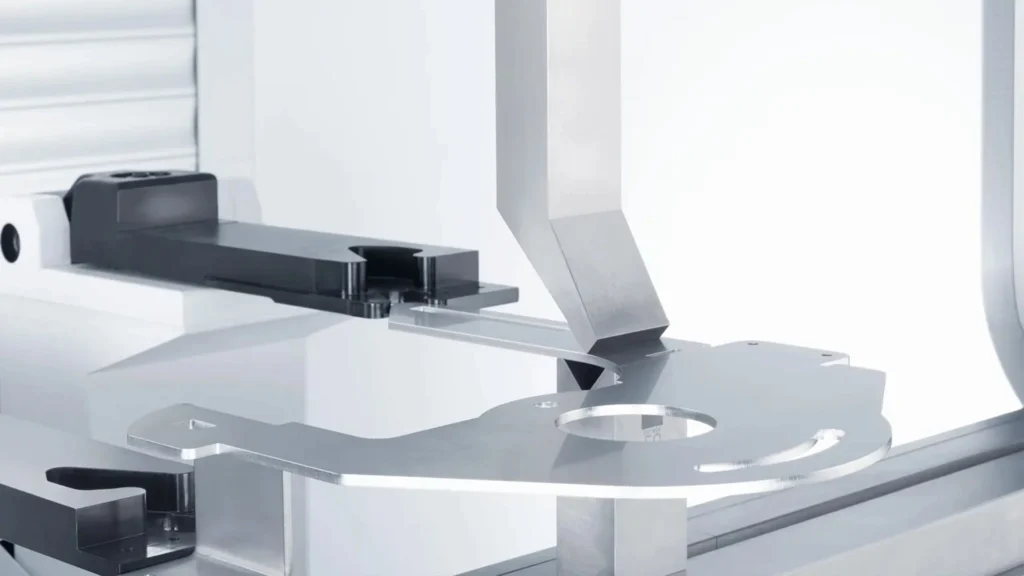
Hydraulic vs Electric Press Brake: Key Differences Explained When comparing hydraulic vs electric press brake machines, the core distinction lies in their power sources and performance capabilities. Hydraulic press brakes deliver immense force through fluid pressure, making them ideal for heavy-duty bending of thick metals in high-volume production. Electric press brakes (also known as servo-electric press brakes), powered by servo motors, prioritize precision, energy efficiency, and speed for intricate bends on thinner materials. Understanding these hydraulic vs electric press brake differences helps fabricators select the optimal machine for cost savings, accuracy, and productivity. This guide draws from AMT 2023 report (p.12) and Fabtech 2022 benchmark study, breaking down key factors. […]
Why Needs Press Brake Crowning
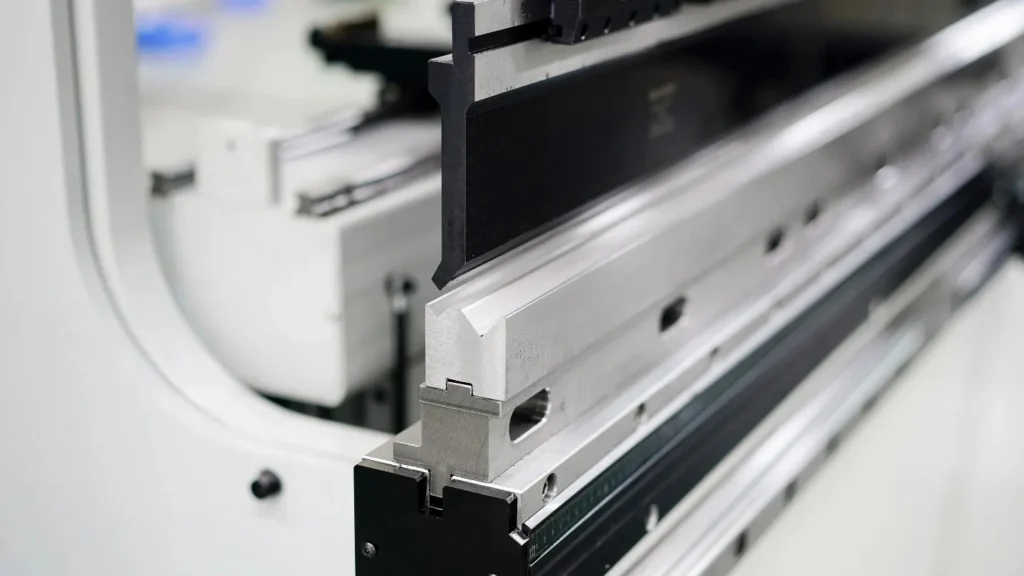
Why Needs Press Brake Crowning Press Brake Frame deflection continues to be one of the most persistent sources of quality variation in modern sheet metal bending. Even small amounts of center bow — typically 0.4–1.5 mm on 3-meter machines — can produce angle deviations of ±0.8° to ±2.2°, depending on material thickness, tensile strength and bend length. This guide provides a current (2026) overview of crowning technologies used in CNC press brakes, including: Physics and calculation of deflection Comparison of mechanical, hydraulic and dynamic (real-time) crowning systems Selection criteria and typical ROI periods Implementation steps, programming guidelines and calibration protocols Maintenance recommendations and common performance issues 1. Understanding Press Brake […]
100 Ton vs 160 Ton Press Brake: Which One Do You Need

Contents 100 Ton vs 160 Ton Press Brake: Which One Do You Need? Introduction Choosing the right press brake tonnage is one of the most important capital decisions a metal fabrication shop will make. A mismatch can lead to machine overload, poor part quality, excessive tooling wear, or costly outsourcing. The choice between a 100-ton and a 160-ton model hinges on accurate bending force calculations, current job mix, future growth plans, and total cost of ownership. Higher tonnage delivers greater force for thicker materials and longer bends, but it also increases initial investment, floor space, power consumption, and maintenance demands. The goal is to select the machine that provides the […]
プレスブレーキは、長尺板の曲げ精度の不均一さをどのように解決しますか?
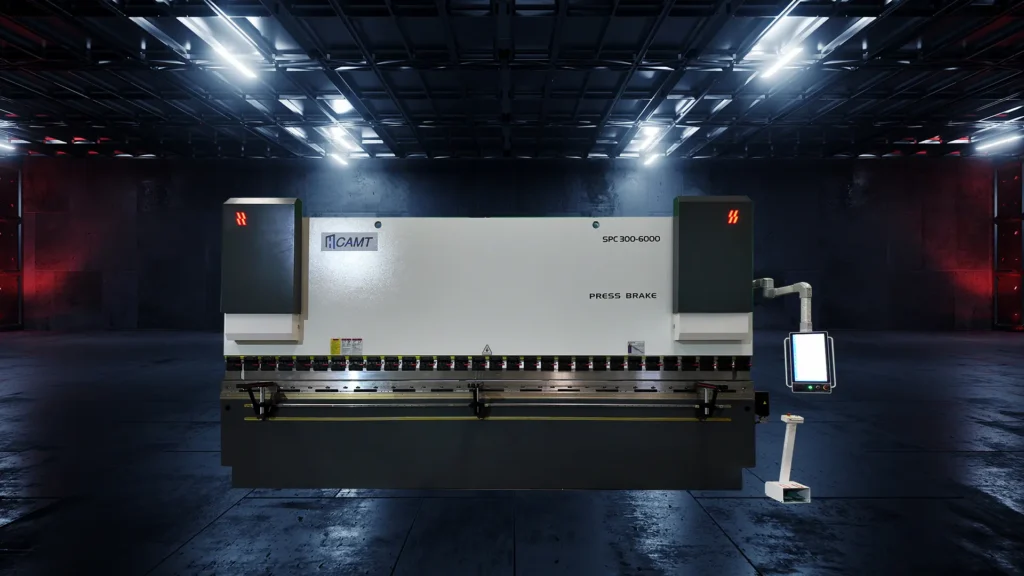
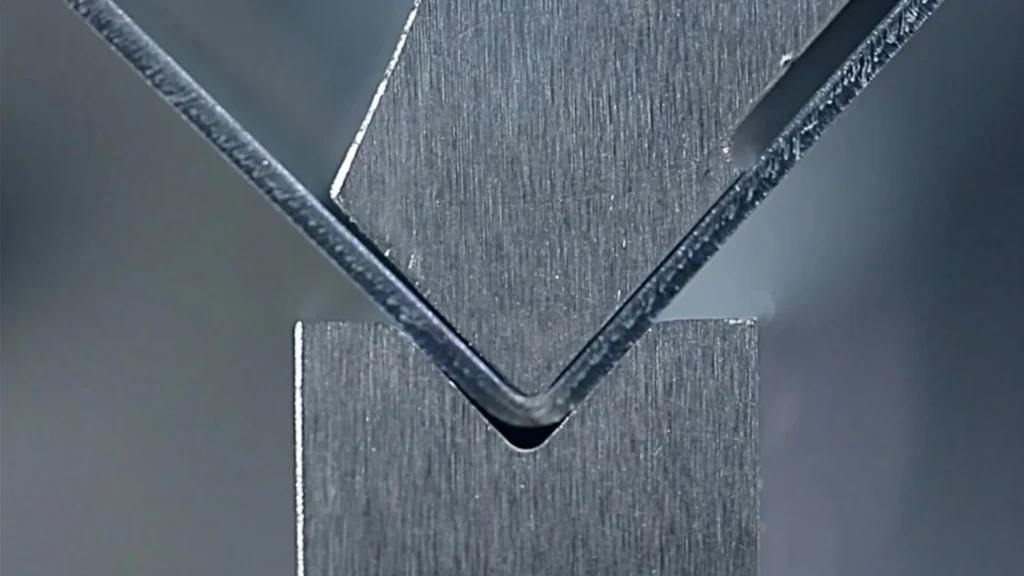
How Does Press Brake Solve the Uneven Bending Accuracy for Long Plates? Introduction: Achieving Uniform Bending Accuracy on Extended Workpieces Press brakes address uneven bending accuracy for long plates—also known as long workpiece deflection or extended sheet angle inconsistency—through advanced crowning systems, precise CNC compensation, and optimized tooling. These technologies counteract ram-to-table deflection and material springback, ensuring consistent bend angles across workpieces over 3 meters. This eliminates the dog-leg bending distortion, where the center bends sharper than the edges. Deflection Impact: For plates exceeding 3 meters, high loads cause angle variations up to 2°. Crowning Solution: Hydraulic or CNC-controlled systems restore parallelism, achieving ±0.2° repeatability per DIN 8605 standards and […]
CNCプレスブレーキとは何か、原理
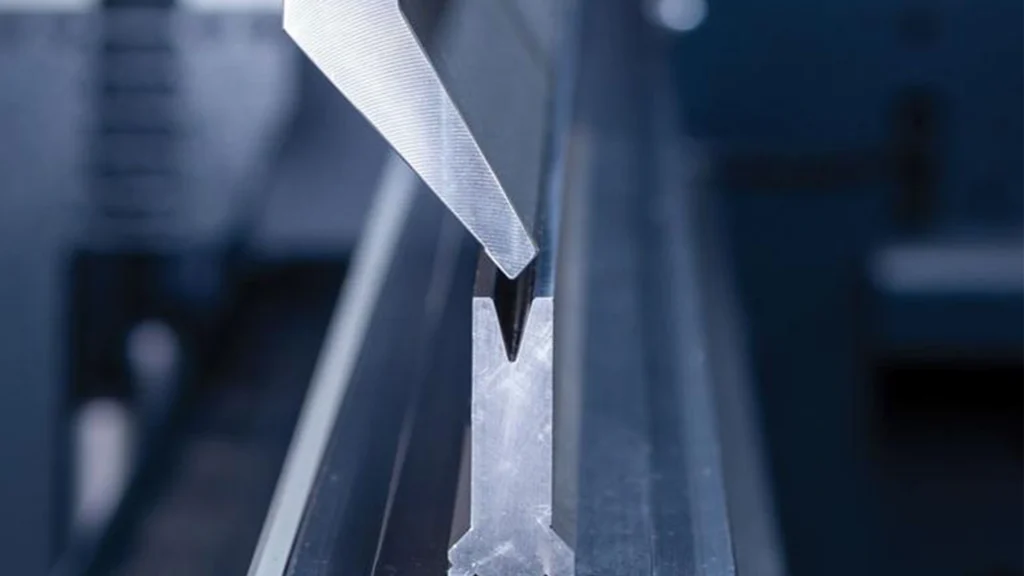
Contents What is a cnc press brake and principle Introduction Modern manufacturing relies on smart technology to create perfect parts for various industries. A CNC press brake acts as the primary powerhouse for creators who need exact results every single time. It uses digital controls to handle how much force hits a plate of steel.Press Brake has evolved from a simple hydraulic bender into a fully integrated smart manufacturing node that combines real-time sensor feedback, material science algorithms, and Industry 4.0 connectivity to deliver micro-level repeatability across thousands of cycles.This automated equipment takes the guesswork out of heavy labor. By using a computer to guide the movement, the tool ensures […]
Laser Welding Principle and Application Advantages in Modern Manufacturing
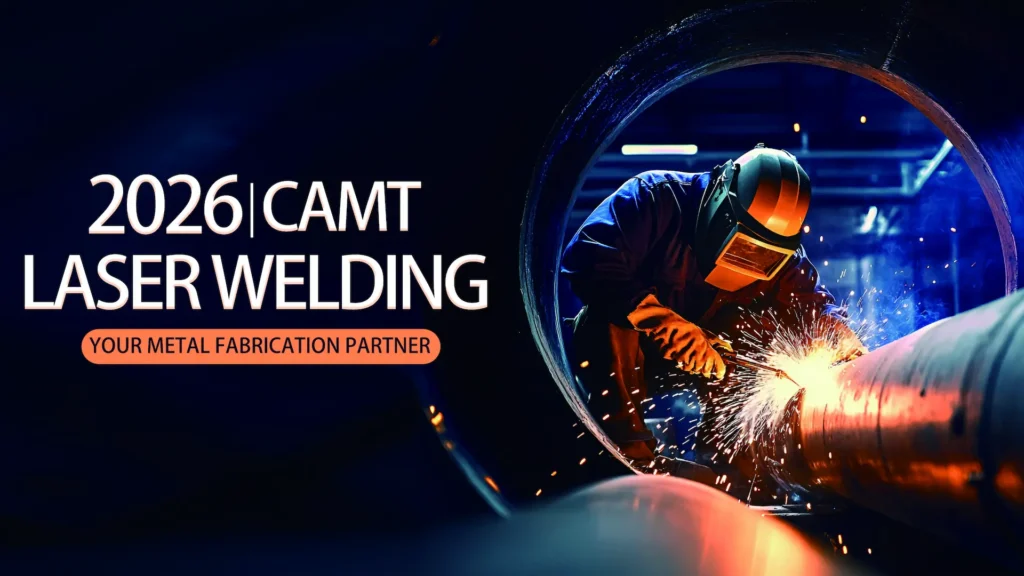
現代の製造業におけるレーザー溶接の原理と応用上の利点 レーザー溶接技術の概要と産業的意義 レーザー溶接は、高密度に集光されたレーザービームを熱源として材料を融着させる接合技術です。物理的接触や電気アークに依存する従来の溶接プロセスとは異なり、レーザー溶接は非接触製造方法の一種に属します。レーザービームはエネルギーを局所的な領域に正確に供給し、優れた制御で材料の溶融と接合を可能にします。現代の製造システムにおいて、レーザー溶接はニッチなプロセスから重要な生産技術へと進化しました。製品設計がより高い精度、より軽量な構造、より強力な[…]