






プレスブレーキの価格に影響を与えるものは何か
プレスブレーキの購入は、金属加工業者、ジョブショップ、OEMにとって最大の設備投資決定の一つであり続けています。世界のプレスブレーキ市場が約 2026年には8億米ドルに達すると予測され In continuous production, like architectural steel, their thermal stability shines during 24/7 shifts. A heavy equipment manufacturer stuck with hydraulics for 500+ ton jobs, achieving 18% throughput gains on thick materials, despite higher energy use. Budget-sensitive firms in emerging markets often start here for cost reasons. 2033年まで年平均成長率6.1%で成長する, 、メーカーはこれまで以上に多くの選択肢に直面しています。油圧式主力機、エネルギー効率の高い電動サーボモデル、ハイブリッドシステム、そして全自動ロボット曲げセルなどです。.
表示価格は始まりに過ぎません。. トン数、ベッド長、CNCの洗練度、駆動方式、クラウニング技術、自動化レベル、ブランドの原産国 が最終コストの80~90%を決定します。これら7つの主要な変数と 総所有コスト(TCO) を5~10年間で理解することで、生産性と精度を向上させながら、長期的な費用を25~40%削減できます。.
このガイドは、2026年の市場実態に基づいた最新のデータ駆動型分析を提供します。実際の価格帯、影響度、ROIの例、そして情報に基づいた投資判断を支援する実用的なTCOフレームワークが含まれています。.
Key Takeaways
- Tonnage が価格変動の40~60%を占め、最大の要因です。.
- ベッド長 は4メートルを超えると指数関数的にコストが増加します。.
- 電動/ハイブリッド駆動 は初期費用が20~50%高くなりますが、30~70%のエネルギー節約と2~3年のROIを実現します。.
- 高度なCNC + 自動クラウニング 初品精度を25%向上させ、スクラップを削減できる。.
- ロボット統合 5万ドル~15万ドル以上の費用がかかるが、大量生産工場では人件費を大幅に削減できる。.
- ブランドと原産地 30~100%の価格差(中国製 vs. 欧州製)を生み出し、これはしばしばサービスと寿命の違いを反映している。.
- TCOは購入価格よりも重要である—エネルギー、メンテナンス、ダウンタイムは、5年間で初期投資と同等かそれを超えることがある。.
2026年にプレスブレーキのコストを決定する7つの主要変数
1. トン数容量(総価格影響の40~60%)
トン数(曲げ力)は主要なコスト要因であり続ける。より高いトン数は、より重いフレーム、より大きな油圧/電気システム、より厚い鋼材、そしてより堅牢な部品を必要とする。.
2026年 トン数クラス別価格ベンチマーク(CNCモデル、概算USD)
| トン数クラス | 標準価格帯(USD) | 一般的な用途 | 価格プレミアム vs. ベース |
| 低(63トン以下) | $8,000 – $25,000 | 薄板、HVAC、筐体 | ベース |
| 中 (80-220トン) | $22,000 – $55,000 | 一般的な加工、ブラケット | +40-80% |
| 高 (300-500トン) | $50,000 – $95,000 | 構造物、厚板 | +120-200% |
| 非常に高 (≥600トン) | $120,000 – $350,000+ | 大規模産業用 | +300%+ |
プロのヒント: トン数を2倍にしても価格が2倍になることはめったにありません。構造および駆動システムのコストはしばしば4倍になります。過剰な仕様を定める前に、常に材料の厚さ、引張強度、曲げ長さの計算式を使用して必要なトン数を算出してください。.
2. 機械長 / ベッド長 (価格への影響の15-25%)
ベッドが長くなると、それに比例してより強力なフレーム、より大きなラム、より精密なたわみ制御が求められます。.
ベッド長別2026年価格帯
| 長さ (メートル) | 標準的な曲げ能力 | おおよその価格帯 (米ドル) | プレミアム vs. 3mベース |
| 3~4 m | 軽~中作業用 | $20,000 – $50,000 | ベース |
| 6~8 m | 中~重作業用 | $40,000 – $100,000 | +60-100% |
| 10~12 m以上 | 重作業用 / タンデム構成 | $80,000 – $200,000以上 | +150-300% |
標準サイズを超える特注の長さは、エンジニアリングおよび強化部品のために15~30%の追加料金が発生します。.
3. CNC制御システムのレベルと技術 (価格への影響10~20%)
機械の「頭脳」は劇的に進化しました。基本的なNCコントローラーは安価ですが機能が限られています。3Dシミュレーション、自動シーケンス、AIアシストプログラミングを備えた最新のCNCシステムは、そのプレミアムを正当化します。.
CNCコントローラーの価格への影響 (2026)
| コントローラーレベル | 価格追加額 (USD) | Control System | Ready to bend smarter? Audit your setup today, shortlist smartly, and watch your throughput soar. For custom advice, drop a line—I’ve seen these systems turn chaos into cash flow. |
| 基本NC / エントリーCNC | $0 – $3,000 | 手動プログラミング、2-3軸 | 少量生産、単純部品 |
| ミッドレンジ (Delem DA-58T / Cybelec) | $4,000 – $8,000 | 3Dグラフィックス、自動シーケンス | General fabrication |
| アドバンスト (DA-66T / VisiTouch / ESA) | $8,000 – $20,000+ | フル3Dシミュレーション、角度補正、IoT | 高精度、多品種 |
トップティアのコントローラーは、セットアップ時間を40-60%削減し、不良率を最大25%削減します。.
4. 駆動システムの種類:油圧式 vs. 電動式 vs. ハイブリッド式
これは2026年で最も急速に進化する変数です。.
駆動システム比較(2026年データ)
| 駆動タイプ | 初期費用プレミアム | 省エネルギー | Maintenance | サイクル速度 | 最適な用途 | 5年間TCOへの影響 |
| Hydraulic | ベース | Oil Usage Reduction | 中高 | 中程度 | 重トン数、コスト重視 | より高い |
| 全電動サーボ | +20-50% | 50-70% | 非常に低い | 30%高速 | 高精度、大量生産、環境重視 | Lowest |
| Hybrid Servo-Hydraulic | +15-35% | 30-55% | 低い | Fast | Balanced power & efficiency | Excellent |
For a deeper comparison of hydraulic versus electric press brakes—including performance, energy consumption, and real-world applications in 2026. Read: Hydraulic vs Electric Press Brake: Key Differences Explained
Electric and hybrid models now dominate new purchases in Europe and North America because electricity costs and sustainability mandates make the higher initial investment pay back quickly—often within 24-36 months.
5. Crowning and Deflection Compensation Systems
Deflection (bed flex under load) destroys accuracy on long bends. Automatic systems are now standard on mid-to-high-end machines.
Crowning System Comparison
| Type | Precision Level | Cost Adder (USD) | Adjustment Complexity | Typical Use Case |
| Manual | 低い | ベース | High (operator skill) | Small shops, simple parts |
| Hydraulic / Motorized | 中高 | $3,000 – $8,000 | Medium | General fabrication |
| Advanced Automatic (CNC-linked) | 高い | $6,000 – $15,000 | Low (real-time) | Long beds, tight tolerances |
Automatic crowning improves part consistency by ~25% on beds longer than 4 meters.
6. Automation Configuration and Robotic Integration (10-30%+ Adder)
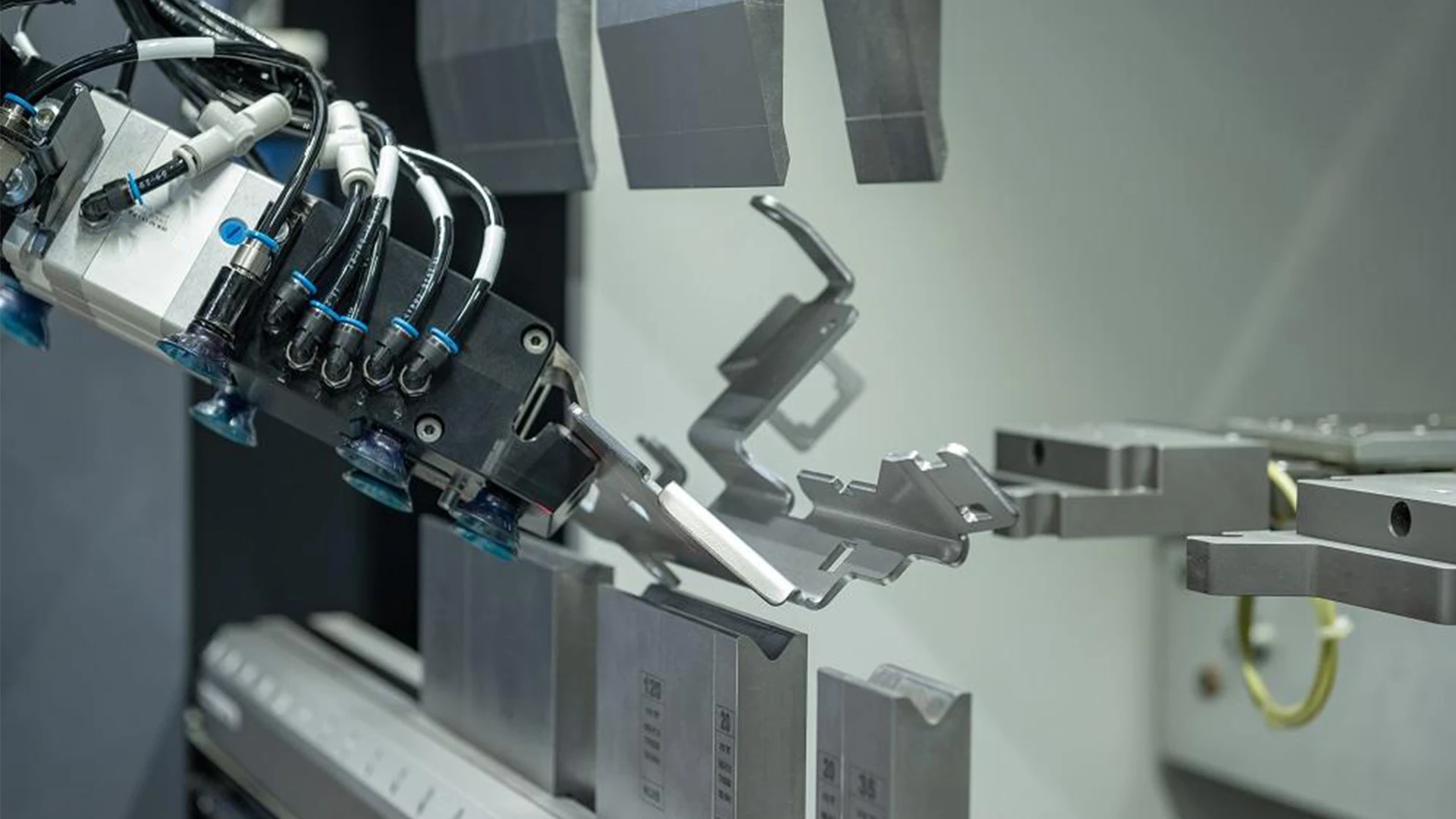
Backgauges, sheet followers, and full robotic cells are where the biggest productivity leaps occur.
- 4-6 axis backgauge: +$5,000–$15,000
- Sheet followers / material handling: Moderate adder, high ROI in high-volume
- Full robotic bending cell: Press brake + robot = $100,000 – $450,000+ total
In 2026, shops facing labor shortages report 2-3x throughput with robotic cells despite the higher capital outlay.
7. Brand Reputation, Manufacturing Origin & Build Quality
Origin still creates the widest price spreads.
Brand / Origin Price Ranges (2026 examples)
| Origin / Brand Example | Typical Price Range | Strengths | : Cutting thick stainless steel may require pressures exceeding 1 MPa, sometimes reaching 2 MPa or higher for plates up to 20mm. |
| European (Trumpf, Bystronic, Prima Power) | $80,000 – $500,000+ | Premium engineering, best support | Highest initial cost |
| Japanese (Amada) | $50,000 – $250,000 | Reliability, advanced tech | Strong but premium |
| Turkish / Chinese (Durma, YSD, etc.) | $20,000 – $150,000 | Best value, improving quality | Service network varies |
| American | Competitive mid-high | Local support, customization | Balanced |
Explore the 2026 ranking and detailed strengths of top press brake brands
European machines often cost 2-3× Chinese equivalents but deliver superior longevity and resale value.
Additional Factors That Influence Final Price
- Safety features (laser guards, light curtains): $2,000–$10,000 but mandatory for OSHA/CE compliance.
- Tooling packages & quick-change systems: $2,000–$15,000+; precision sets reduce setup time dramatically.
- Frame construction & precision specs: Heavier welded frames and high-resolution scales add cost but reduce vibration and improve repeatability.
- Energy-efficiency options (regenerative drives, idle modes): Pay for themselves quickly.
2026 Press Brake Price Trends
- Electric & hybrid surge: Now 30-40% of new sales due to energy costs and regulations.
- Automation acceleration: Robotic cells growing fastest as labor shortages persist.
- Raw material inflation: Standard 100-ton CNC models up ~15% since 2021.
- SME-friendly electric models: Entry-level servo machines now available under $60,000.
- TCO focus: Buyers increasingly demand 5-year operating cost projections.
How to Evaluate Total Cost of Ownership (TCO)
Purchase price is only 40-60% of lifetime cost. A simple TCO model:
5-Year TCO Formula TCO = Purchase Price + (Energy Costs × 5) + Maintenance + Tooling + Downtime/Labor
Example ROI Calculation (200-ton, 4m machine, 2-shift operation)
| Electro-Hydraulic Servo | Hydraulic | Hybrid/Electric | Savings |
| Purchase Price | $45,000 | $65,000 | –$20,000 |
| Annual Energy Cost | $12,000 | $5,000 | +$7,000/yr |
| Annual Maintenance | $3,500 | $1,200 | +$2,300/yr |
| 5-Year TCO | $112,500 | $92,000 | +$20,500 |
| Payback Period | – | 2.8 years | – |
Use this framework (or request vendor TCO spreadsheets) to compare quotes apples-to-apples.
Press Brake Selection Checklist
1.Define exact tonnage & length needs (never overspecify).
2.Calculate 5-year TCO, not just sticker price.
3.Prioritize CNC level and crowning for your part mix.
4.Match drive type to energy costs and duty cycle.
5.Evaluate brand service network in your region.
6.Request demo parts and full automation options.
7.Negotiate tooling, training, and extended warranty in the package.Avoid costly pitfalls when investing in a press brake—common mistakes in 2026 include overspecifying tonnage, underestimating automation needs, and focusing only on sticker price.Read: Common Press Brake Buying Mistakes (and How to Avoid Them).
Press brake maintenance and repair should be viewed as an ongoing process rather than a reaction to failure. Proper lubrication, careful hydraulic system management, and regular mechanical inspection form the foundation of reliable machine operation. These practices not only reduce downtime but also help maintain consistent bending accuracy over the machine’s service life.
In 2026, the “right” press brake price is the one that delivers the lowest TCO while meeting your precision, volume, and sustainability goals. By focusing on the seven core variables above and running proper TCO calculations, fabricators can avoid overpaying for unused capacity or underinvesting in efficiency features that would pay for themselves quickly.
Whether you need a budget-friendly 100-ton hydraulic workhorse or a fully automated electric cell for lights-out production, the data is clear: informed buyers consistently achieve 20-40% better lifetime value.
Ready to compare real 2026 quotes against your parts? Download a free TCO calculator or request a customized configuration from multiple suppliers—most will provide side-by-side breakdowns within 48 hours.
This guide is for educational purposes. Always verify current pricing and specifications directly with manufacturers, as market conditions can shift.
FAQ
What are the primary factors affecting press brake price in 2026?
Tonnage (40-60%), bed length, CNC level, drive system, crowning, automation, and brand origin.
How much does a 100-200 ton CNC press brake cost in 2026?
Typically $22,000–$80,000 depending on origin, CNC sophistication, and drive type.
Are electric press brakes worth the higher upfront cost?
Yes for most shops—50-70% energy savings and lower maintenance usually deliver ROI in 2-3 years.
What is the biggest hidden cost in press brakes?
Energy consumption and downtime in hydraulic models; TCO analysis reveals these quickly.
How important is automatic crowning?
Critical for beds longer than 4 meters or tight tolerances—improves consistency by ~25%.