






Что влияет на цену листогибочного пресса
Покупка листогибочного пресса остается одним из крупнейших капитальных решений для производителей металлоконструкций, контрактных мастерских и OEM-производителей. При этом прогнозируется, что мировой рынок листогибочных прессов достигнет примерно 800 миллионов долларов США в 2026 году Market Trends and Selection Suggestions: Navigating the Future и будет расти со среднегодовым темпом 6,1% до 2033 года, производители сталкиваются с большим количеством вариантов, чем когда-либо — гидравлические рабочие лошадки, энергоэффективные электрические сервомодели, гибридные системы и полностью роботизированные гибочные ячейки.
Указанная цена — это только начало. Тоннаж, длина стола, сложность ЧПУ, тип привода, технология компенсации прогиба, уровень автоматизации и происхождение бренда вместе определяют 80-90% окончательной стоимости. Понимание этих семи основных переменных — и общей стоимости владения (TCO) за 5–10 лет — может сэкономить 25-40% долгосрочных расходов, одновременно повышая производительность и точность.
Это руководство представляет актуальный, основанный на данных анализ, исходя из рыночных реалий 2026 года. Оно включает реальные ценовые диапазоны, проценты влияния, примеры ROI и практическую структуру TCO, чтобы помочь вам принять обоснованное инвестиционное решение.
Ключевые выводы
- Tonnage определяет 40-60% вариации цены — это самый большой фактор.
- Длина стола экспоненциально увеличивает стоимость, как только вы превышаете 4 метра.
- Электрические/гибридные приводы стоят на 20-50% дороже изначально, но обеспечивают 30-70% экономии энергии и окупаемость за 2-3 года.
- Усовершенствованное ЧПУ + автоматическая компенсация прогиба может улучшить точность первой детали на 25% и сократить брак.
- Роботизированная интеграция добавляет $50 000–$150 000+, но значительно сокращает затраты на рабочую силу в цехах с большим объемом производства.
- Бренд и происхождение создают ценовые разрывы в 30-100% (китайские против европейских), которые часто отражают различия в обслуживании и долговечности.
- TCO важнее, чем цена покупки—энергия, обслуживание и простои могут равняться или превышать первоначальные инвестиции за 5 лет.
7 основных переменных, которые определяют стоимость листогибочного пресса в 2026 году
1. Тоннаж (мощность) (40-60% от общего влияния на цену)
Тоннаж (сила гибки) остается основным фактором, влияющим на стоимость. Более высокий тоннаж требует более тяжелых рам, более крупных гидравлических/электрических систем, более толстой стали и более прочных компонентов.
Ценовые ориентиры на 2026 год по классам тоннажа (модели с ЧПУ, приблизительно в долларах США)
| Класс тоннажа | Типичный ценовой диапазон (долл. США) | Типичные применения | Ценовая надбавка по сравнению с базовой моделью |
| Низкий (≤63 тонны) | $8,000 – $25,000 | Тонкий лист, ОВКВ, корпуса | Базовый |
| Средний (80-220 тонн) | $22,000 – $55,000 | Общее производство, кронштейны | +40-80% |
| Высокий (300-500 тонн) | $50,000 – $95,000 | Конструкционный, толстый лист | +120-200% |
| Очень высокий (≥600 тонн) | $120,000 – $350,000+ | Крупномасштабный промышленный | +300%+ |
Совет профессионала: Удвоение тоннажа редко удваивает цену — оно часто учетверяет затраты на конструкцию и приводную систему. Всегда рассчитывайте требуемый тоннаж, используя формулы толщины материала, прочности на разрыв и длины гиба, прежде чем переоценивать требования.
2. Длина станка / Длина стола (15-25% влияния на цену)
Более длинные столы требуют пропорционально более прочных рам, больших ползунов и более точного контроля прогиба.
Ценовые категории 2026 года по длине стола
| Длина (метры) | Типичная гибочная способность | Прибл. Диапазон цен (USD) | Премиум против 3-метровой базы |
| 3–4 м | Легкие и средние нагрузки | 20 000 – 50 000 $ | Базовый |
| 6–8 м | Средние и тяжелые нагрузки | 40 000 – 100 000 $ | +60-100% |
| 10–12 м+ | Тяжелые нагрузки / тандемные установки | 80 000 – 200 000 $+ | +150-300% |
Нестандартные длины, выходящие за рамки стандартных размеров, влекут за собой надбавки в размере 15-30% за проектирование и усиленные компоненты.
3. Уровень и технология системы управления ЧПУ (10-20% влияния на цену)
“Мозг” машины значительно эволюционировал. Базовые контроллеры ЧПУ дешевы, но ограничены; современные системы ЧПУ с 3D-моделированием, автоматическим секвенированием и программированием с помощью ИИ оправдывают надбавку.
Влияние цены контроллера ЧПУ (2026)
| Уровень контроллера | Дополнительная стоимость (USD) | CNC Systems: Enable programmable bend angles, sequences, and real-time monitoring. | Read more about Principle and Function of Press Brake Safety Protection System |
| Базовый ЧПУ / Начальный ЧПУ | 0 – 3 000 $ | Ручное программирование, 2-3 оси | Мелкосерийное производство, простые детали |
| Средний уровень (Delem DA-58T / Cybelec) | 4 000 – 8 000 $ | 3D-графика, автоматическое секвенирование | Общее производство |
| Продвинутый (DA-66T / VisiTouch / ESA) | 8 000 – 20 000+ $ | Полное 3D-моделирование, коррекция угла, IoT | Высокая точность, широкий ассортимент |
Контроллеры высшего уровня сокращают время настройки на 40-60% и процент брака до 25%.
4. Тип приводной системы: Гидравлическая против Электрической против Гибридной
Это самая быстроразвивающаяся переменная в 2026 году.
Сравнение систем привода (Данные 2026 года)
| Тип привода | Первоначальная надбавка к стоимости | Экономия энергии | Maintenance | Скорость цикла | Лучшие области применения | Влияние на TCO за 5 лет |
| Гидравлический | Базовый | Oil Usage Reduction | Средне-высокий | Умеренный | Большой тоннаж, чувствительный к стоимости | Выше |
| Полностью электрический сервопривод | +20-50% | 50-70% | Очень низкий | На 30% быстрее | Точность, большой объем, эко-ориентированность | Lowest |
| Hybrid Servo-Hydraulic | +15-35% | 30-55% | Low | Fast | Balanced power & efficiency | Excellent |
For a deeper comparison of hydraulic versus electric press brakes—including performance, energy consumption, and real-world applications in 2026. Read: Hydraulic vs Electric Press Brake: Key Differences Explained
Electric and hybrid models now dominate new purchases in Europe and North America because electricity costs and sustainability mandates make the higher initial investment pay back quickly—often within 24-36 months.
5. Crowning and Deflection Compensation Systems
Deflection (bed flex under load) destroys accuracy on long bends. Automatic systems are now standard on mid-to-high-end machines.
Crowning System Comparison
| Type | Precision Level | Cost Adder (USD) | Adjustment Complexity | Typical Use Case |
| Manual | Low | Базовый | High (operator skill) | Small shops, simple parts |
| Hydraulic / Motorized | Средне-высокий | $3,000 – $8,000 | Medium | Общее производство |
| Advanced Automatic (CNC-linked) | High | $6,000 – $15,000 | Low (real-time) | Long beds, tight tolerances |
Automatic crowning improves part consistency by ~25% on beds longer than 4 meters.
6. Automation Configuration and Robotic Integration (10-30%+ Adder)
Backgauges, sheet followers, and full robotic cells are where the biggest productivity leaps occur.
- 4-6 axis backgauge: +$5,000–$15,000
- Sheet followers / material handling: Moderate adder, high ROI in high-volume
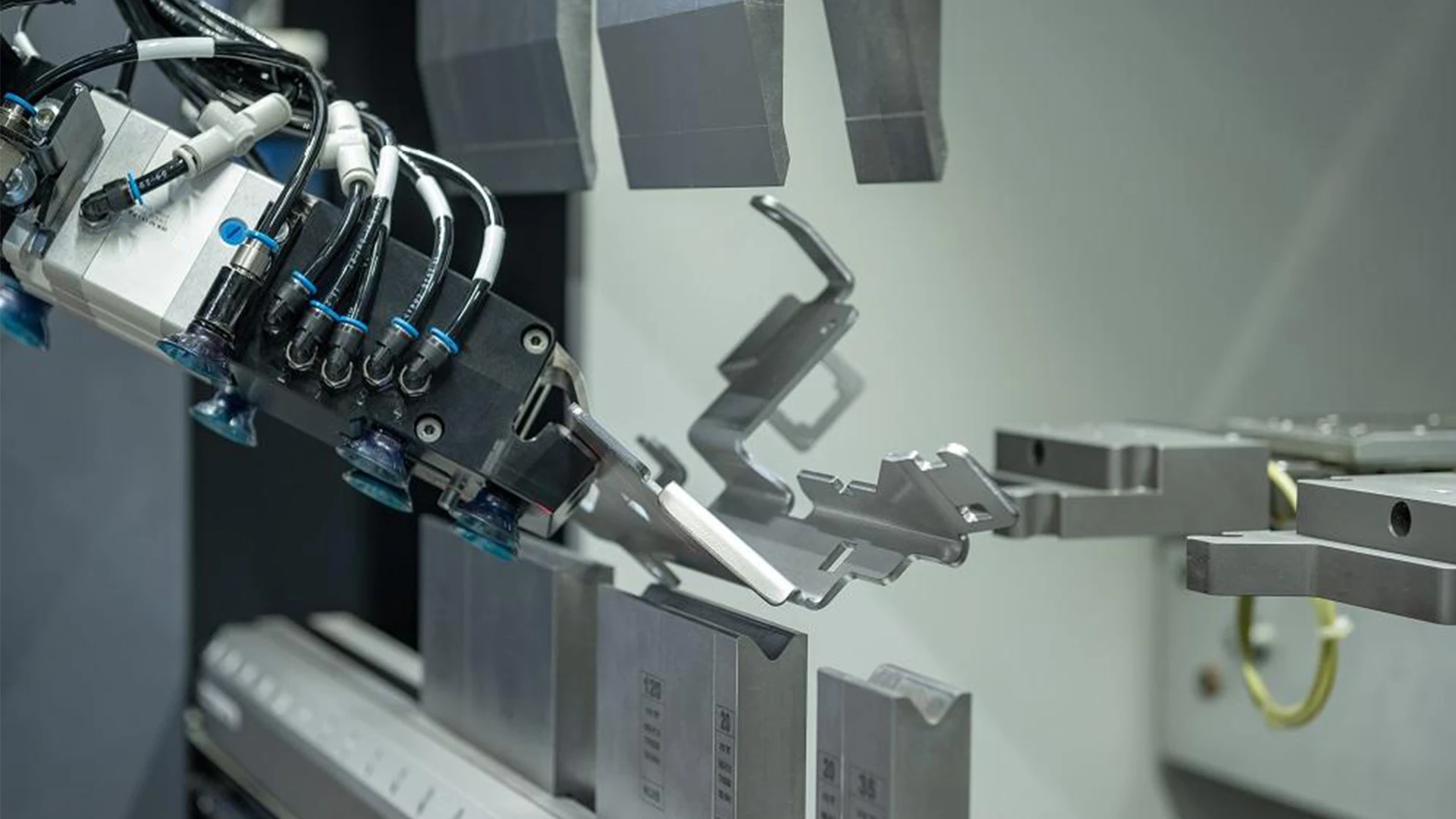
- Full robotic bending cell: Press brake + robot = $100,000 – $450,000+ total
In 2026, shops facing labor shortages report 2-3x throughput with robotic cells despite the higher capital outlay.
7. Brand Reputation, Manufacturing Origin & Build Quality
Origin still creates the widest price spreads.
Brand / Origin Price Ranges (2026 examples)
| Origin / Brand Example | Typical Price Range | Strengths | Соображения |
| European (Trumpf, Bystronic, Prima Power) | $80,000 – $500,000+ | Premium engineering, best support | Highest initial cost |
| Japanese (Amada) | $50,000 – $250,000 | Reliability, advanced tech | Strong but premium |
| Turkish / Chinese (Durma, YSD, etc.) | $20,000 – $150,000 | Best value, improving quality | Service network varies |
| American | Competitive mid-high | Local support, customization | Balanced |
Explore the 2026 ranking and detailed strengths of top press brake brands
European machines often cost 2-3× Chinese equivalents but deliver superior longevity and resale value.
Additional Factors That Influence Final Price
- Safety features (laser guards, light curtains): $2,000–$10,000 but mandatory for OSHA/CE compliance.
- Tooling packages & quick-change systems: $2,000–$15,000+; precision sets reduce setup time dramatically.
- Frame construction & precision specs: Heavier welded frames and high-resolution scales add cost but reduce vibration and improve repeatability.
- Energy-efficiency options (regenerative drives, idle modes): Pay for themselves quickly.
2026 Press Brake Price Trends
- Electric & hybrid surge: Now 30-40% of new sales due to energy costs and regulations.
- Automation acceleration: Robotic cells growing fastest as labor shortages persist.
- Raw material inflation: Standard 100-ton CNC models up ~15% since 2021.
- SME-friendly electric models: Entry-level servo machines now available under $60,000.
- TCO focus: Buyers increasingly demand 5-year operating cost projections.
How to Evaluate Total Cost of Ownership (TCO)
Purchase price is only 40-60% of lifetime cost. A simple TCO model:
5-Year TCO Formula TCO = Purchase Price + (Energy Costs × 5) + Maintenance + Tooling + Downtime/Labor
Example ROI Calculation (200-ton, 4m machine, 2-shift operation)
| Electro-Hydraulic Servo | Гидравлический | Hybrid/Electric | Savings |
| Purchase Price | $45,000 | $65,000 | –$20,000 |
| Annual Energy Cost | $12,000 | $5,000 | +$7,000/yr |
| Annual Maintenance | $3,500 | $1,200 | +$2,300/yr |
| 5-Year TCO | $112,500 | $92,000 | +$20,500 |
| Payback Period | – | 2.8 years | – |
Use this framework (or request vendor TCO spreadsheets) to compare quotes apples-to-apples.
Press Brake Selection Checklist
1.Define exact tonnage & length needs (never overspecify).
2.Calculate 5-year TCO, not just sticker price.
3.Prioritize CNC level and crowning for your part mix.
4.Match drive type to energy costs and duty cycle.
5.Evaluate brand service network in your region.
6.Request demo parts and full automation options.
7.Negotiate tooling, training, and extended warranty in the package.Avoid costly pitfalls when investing in a press brake—common mistakes in 2026 include overspecifying tonnage, underestimating automation needs, and focusing only on sticker price.Read: Common Press Brake Buying Mistakes (and How to Avoid Them).
Press brake maintenance and repair should be viewed as an ongoing process rather than a reaction to failure. Proper lubrication, careful hydraulic system management, and regular mechanical inspection form the foundation of reliable machine operation. These practices not only reduce downtime but also help maintain consistent bending accuracy over the machine’s service life.
In 2026, the “right” press brake price is the one that delivers the lowest TCO while meeting your precision, volume, and sustainability goals. By focusing on the seven core variables above and running proper TCO calculations, fabricators can avoid overpaying for unused capacity or underinvesting in efficiency features that would pay for themselves quickly.
Whether you need a budget-friendly 100-ton hydraulic workhorse or a fully automated electric cell for lights-out production, the data is clear: informed buyers consistently achieve 20-40% better lifetime value.
Ready to compare real 2026 quotes against your parts? Download a free TCO calculator or request a customized configuration from multiple suppliers—most will provide side-by-side breakdowns within 48 hours.
This guide is for educational purposes. Always verify current pricing and specifications directly with manufacturers, as market conditions can shift.
FAQ
What are the primary factors affecting press brake price in 2026?
Tonnage (40-60%), bed length, CNC level, drive system, crowning, automation, and brand origin.
How much does a 100-200 ton CNC press brake cost in 2026?
Typically $22,000–$80,000 depending on origin, CNC sophistication, and drive type.
Are electric press brakes worth the higher upfront cost?
Yes for most shops—50-70% energy savings and lower maintenance usually deliver ROI in 2-3 years.
What is the biggest hidden cost in press brakes?
Energy consumption and downtime in hydraulic models; TCO analysis reveals these quickly.
How important is automatic crowning?
Critical for beds longer than 4 meters or tight tolerances—improves consistency by ~25%.