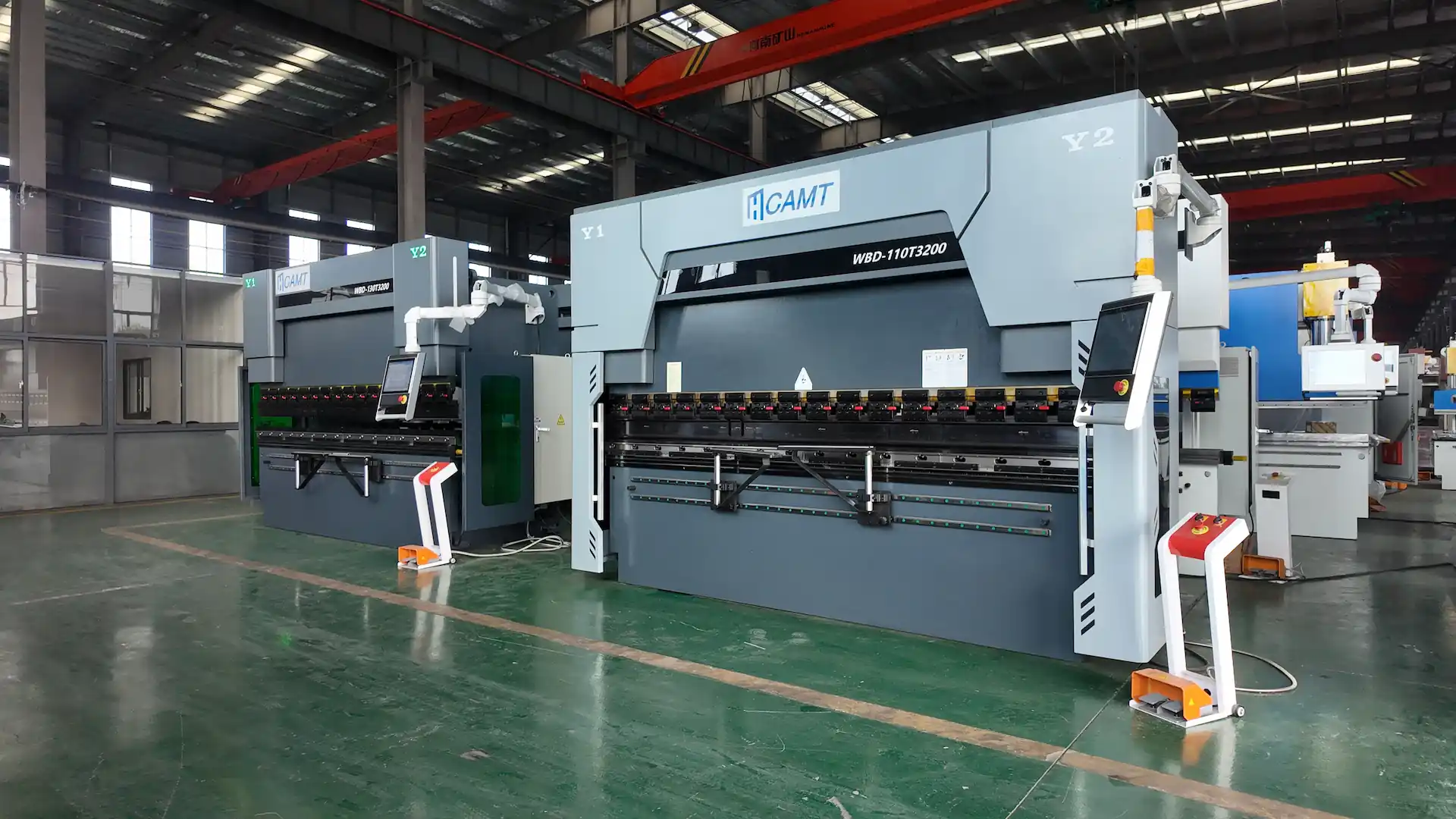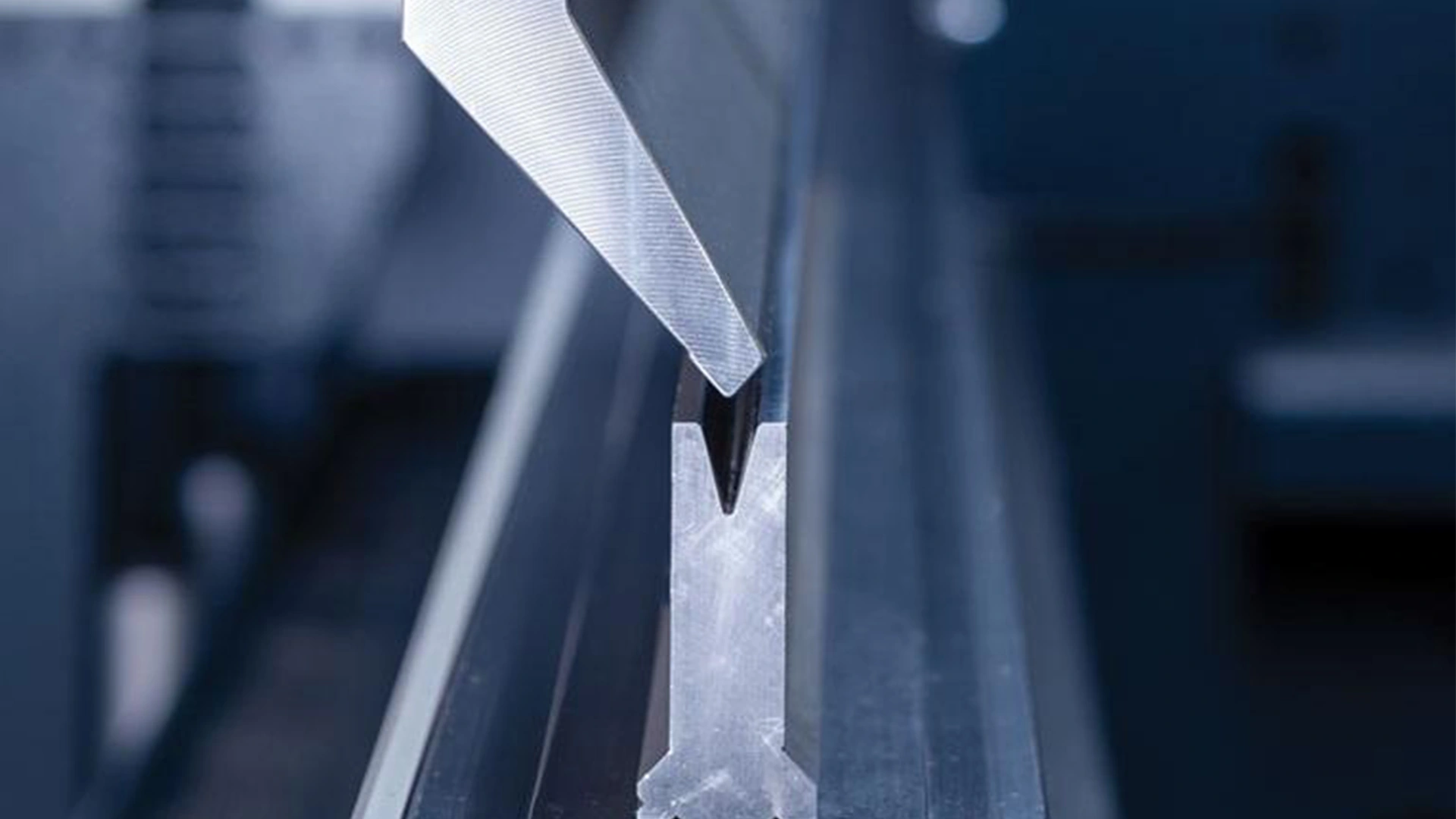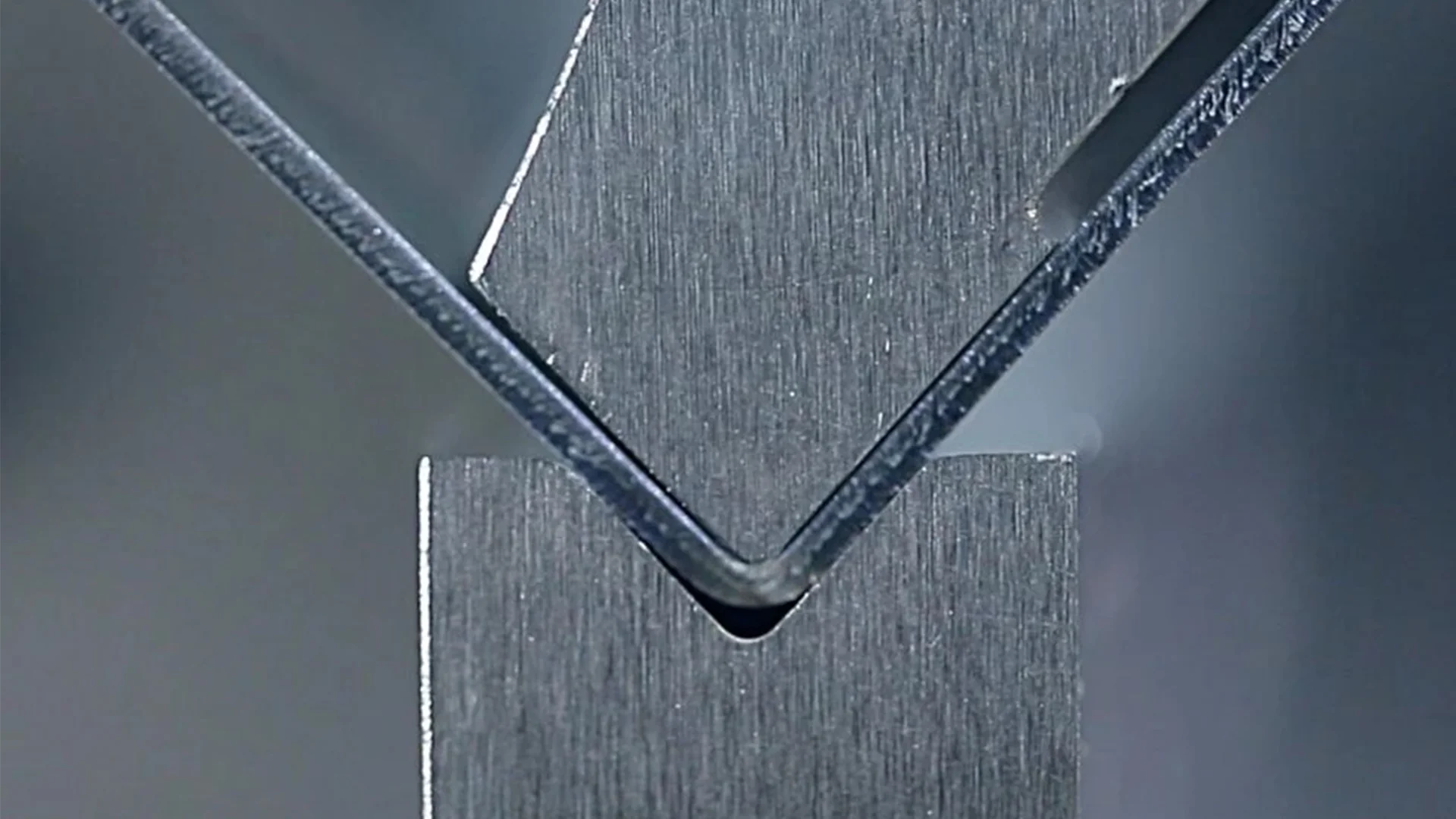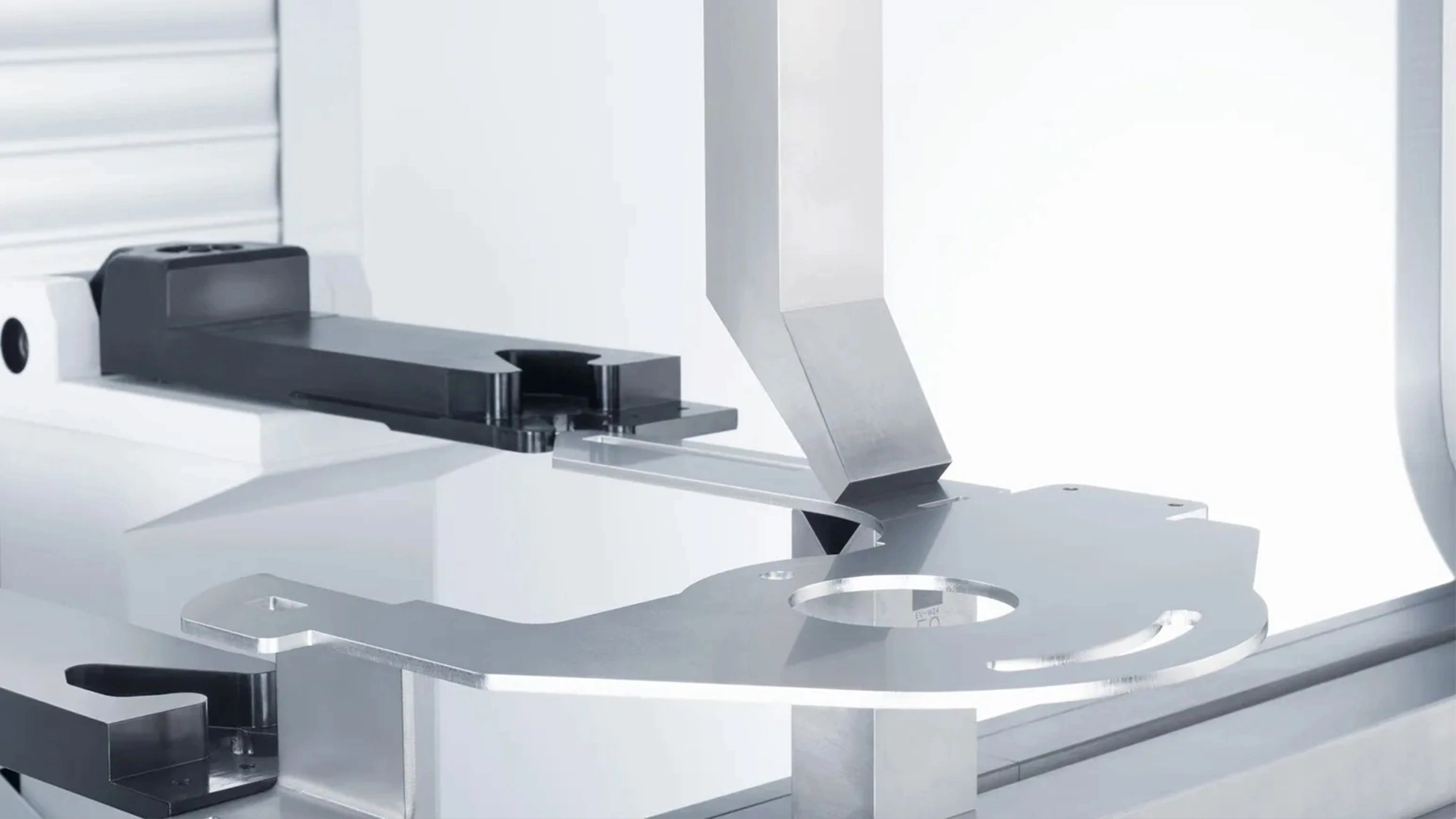







절곡기 가격에 영향을 미치는 요인
프레스 브레이크 구매는 금속 가공업체, 작업장 및 OEM에게 가장 큰 자본 결정 중 하나로 남아 있습니다. 전 세계 프레스 브레이크 시장은 약 2026년에 8억 달러에 달할 것으로 예상되며 each leveraging distinct technologies to meet diverse manufacturing needs. This comprehensive guide compares their working principles, performance metrics, application scenarios, and addresses common user questions, drawing on recent industry insights and literature to help you select the optimal machine for your operations. 2033년까지 연평균 6.1% 성장할 것으로 예상됨에 따라, 제조업체는 유압식 작업용 장비, 에너지 효율적인 전기 서보 모델, 하이브리드 시스템, 완전 로봇 벤딩 셀 등 그 어느 때보다 더 많은 옵션에 직면해 있습니다.
정가는 시작에 불과합니다. 톤수, 베드 길이, CNC 정교함, 구동 방식, 크라우닝 기술, 자동화 수준 및 브랜드 원산지 이 모든 것이 최종 비용의 80-90%를 결정합니다. 이 7가지 핵심 변수와 총 소유 비용(TCO) 5~10년에 걸친 이해는 생산성과 정밀도를 높이면서 장기 비용을 25-40% 절감할 수 있습니다.
이 가이드는 2026년 시장 현실을 기반으로 한 최신 데이터 기반 분석을 제공합니다. 여기에는 실제 가격 범위, 영향 비율, ROI 사례 및 정보에 입각한 투자를 하는 데 도움이 되는 실용적인 TCO 프레임워크가 포함됩니다.
Key Takeaways
- Tonnage 가격 변동의 40-60%를 차지하는 가장 큰 단일 요인입니다.
- 베드 길이 4미터를 초과하면 기하급수적으로 비용이 증가합니다.
- 전기/하이브리드 구동 방식 초기 비용은 20-50% 더 높지만, 30-70%의 에너지 절감 효과와 2-3년의 ROI를 제공합니다.
- 고급 CNC + 자동 크라우닝 can improve first-part accuracy by 25% and reduce scrap.
- Robotic integration adds $50,000–$150,000+ but slashes labor costs in high-volume shops.
- Brand & origin create 30-100% price gaps (Chinese vs. European) that often reflect service and longevity differences.
- TCO matters more than purchase price—energy, maintenance, and downtime can equal or exceed the initial investment over 5 years.
The 7 Core Variables That Determine Press Brake Cost in 2026
1. Tonnage Capacity (40-60% of Total Price Impact)
Tonnage (bending force) remains the dominant cost driver. Higher tonnage requires heavier frames, larger hydraulic/electric systems, thicker steel, and more robust components.
2026 Price Benchmarks by Tonnage Class (CNC models, approximate USD)
| Tonnage Class | Typical Price Range (USD) | Common Applications | Price Premium vs. Base |
| Low (≤63 tons) | $8,000 – $25,000 | Thin sheet, HVAC, enclosures | Base |
| Medium (80-220 tons) | $22,000 – $55,000 | General fabrication, brackets | +40-80% |
| High (300-500 tons) | $50,000 – $95,000 | Structural, heavy plate | +120-200% |
| Very High (≥600 tons) | $120,000 – $350,000+ | Large-scale industrial | +300%+ |
Pro Tip: Doubling tonnage rarely doubles price—it often quadruples structural and drive-system costs. Always calculate required tonnage using material thickness, tensile strength, and bend length formulas before overspecifying.
2. Machine Length / Bed Length (15-25% of Price Impact)
Longer beds demand proportionally stronger frames, larger rams, and more precise deflection control.
2026 Price Tiers by Bed Length
| Length (meters) | Typical Bending Capacity | Approx. Price Range (USD) | Premium vs. 3m Base |
| 3–4 m | Light to medium duty | $20,000 – $50,000 | Base |
| 6–8 m | Medium to heavy duty | $40,000 – $100,000 | +60-100% |
| 10–12 m+ | Heavy duty / tandem setups | $80,000 – $200,000+ | +150-300% |
Custom lengths beyond standard sizes trigger 15-30% upcharges for engineering and reinforced components.
3. CNC Control System Level and Technology (10-20% of Price Impact)
The “brain” of the machine has evolved dramatically. Basic NC controllers are cheap but limited; modern CNC systems with 3D simulation, automatic sequencing, and AI-assisted programming justify the premium.
CNC 컨트롤러 가격 영향 (2026)
| 컨트롤러 레벨 | 추가 가격 (USD) | Control System | Picking a press brake system boils down to that sweet spot: Meeting demands without budget bloat. Elite setups with closed-loop magic transform precision shops, while solid mids keep general fab humming affordably. Whatever your path, prioritize trials—nothing beats feeling the flow. |
| 기본 NC / 엔트리 CNC | $0 – $3,000 | 수동 프로그래밍, 2-3축 | 소량, 단순 부품 |
| 중급 (Delem DA-58T / Cybelec) | $4,000 – $8,000 | 3D 그래픽, 자동 시퀀싱 | 일반 제작 |
| 고급 (DA-66T / VisiTouch / ESA) | $8,000 – $20,000+ | 완전 3D 시뮬레이션, 각도 보정, IoT | 고정밀, 다품종 |
최고급 컨트롤러는 설정 시간을 40-60% 단축하고 불량률을 최대 25%까지 줄입니다.
4. 구동 시스템 유형: 유압식 vs. 전기식 vs. 하이브리드
This is the fastest-evolving variable in 2026.
Drive System Comparison (2026 Data)
| Drive Type | Upfront Cost Premium | Energy Savings | Maintenance | Cycle Speed | Best Applications | 5-Year TCO Impact |
| Hydraulic | Base | Oil Usage Reduction | Medium-High | Moderate | Heavy tonnage, cost-sensitive | Higher |
| All-Electric Servo | +20-50% | 50-70% | Very Low | 30% faster | Precision, high-volume, eco-focus | Lowest |
| Hybrid Servo-Hydraulic | +15-35% | 30-55% | Low | Fast | Balanced power & efficiency | Excellent |
For a deeper comparison of hydraulic versus electric press brakes—including performance, energy consumption, and real-world applications in 2026. Read: Hydraulic vs Electric Press Brake: Key Differences Explained
Electric and hybrid models now dominate new purchases in Europe and North America because electricity costs and sustainability mandates make the higher initial investment pay back quickly—often within 24-36 months.
5. Crowning and Deflection Compensation Systems
Deflection (bed flex under load) destroys accuracy on long bends. Automatic systems are now standard on mid-to-high-end machines.
Crowning System Comparison
| Type | Precision Level | Cost Adder (USD) | Adjustment Complexity | Typical Use Case |
| Manual | Low | Base | High (operator skill) | Small shops, simple parts |
| Hydraulic / Motorized | Medium-High | $3,000 – $8,000 | Medium | 일반 제작 |
| Advanced Automatic (CNC-linked) | High | $6,000 – $15,000 | Low (real-time) | Long beds, tight tolerances |
Automatic crowning improves part consistency by ~25% on beds longer than 4 meters.
6. Automation Configuration and Robotic Integration (10-30%+ Adder)
Backgauges, sheet followers, and full robotic cells are where the biggest productivity leaps occur.
- 4-6 axis backgauge: +$5,000–$15,000
- Sheet followers / material handling: Moderate adder, high ROI in high-volume
- Full robotic bending cell: Press brake + robot = $100,000 – $450,000+ total
In 2026, shops facing labor shortages report 2-3x throughput with robotic cells despite the higher capital outlay.
7. Brand Reputation, Manufacturing Origin & Build Quality
Origin still creates the widest price spreads.
Brand / Origin Price Ranges (2026 examples)
| Origin / Brand Example | Typical Price Range | Strengths | Nitrogen is the assist gas of choice for cutting stainless steel, aluminum, copper, brass, and other non-ferrous metals where oxidation must be avoided. As an inert gas, nitrogen prevents oxide formation, delivering clean, shiny edges that require minimal post-processing. However, nitrogen cutting often demands higher pressures and flow rates, especially for thicker materials, which can increase operational costs. |
| European (Trumpf, Bystronic, Prima Power) | $80,000 – $500,000+ | Premium engineering, best support | Highest initial cost |
| Japanese (Amada) | $50,000 – $250,000 | Reliability, advanced tech | Strong but premium |
| Turkish / Chinese (Durma, YSD, etc.) | $20,000 – $150,000 | Best value, improving quality | Service network varies |
| American | Competitive mid-high | Local support, customization | Balanced |
Explore the 2026 ranking and detailed strengths of top press brake brands
European machines often cost 2-3× Chinese equivalents but deliver superior longevity and resale value.
Additional Factors That Influence Final Price
- Safety features (laser guards, light curtains): $2,000–$10,000 but mandatory for OSHA/CE compliance.
- Tooling packages & quick-change systems: $2,000–$15,000+; precision sets reduce setup time dramatically.
- Frame construction & precision specs: Heavier welded frames and high-resolution scales add cost but reduce vibration and improve repeatability.
- Energy-efficiency options (regenerative drives, idle modes): Pay for themselves quickly.
2026 Press Brake Price Trends
- Electric & hybrid surge: Now 30-40% of new sales due to energy costs and regulations.
- Automation acceleration: Robotic cells growing fastest as labor shortages persist.
- Raw material inflation: Standard 100-ton CNC models up ~15% since 2021.
- SME-friendly electric models: Entry-level servo machines now available under $60,000.
- TCO focus: Buyers increasingly demand 5-year operating cost projections.
How to Evaluate Total Cost of Ownership (TCO)
Purchase price is only 40-60% of lifetime cost. A simple TCO model:
5-Year TCO Formula TCO = Purchase Price + (Energy Costs × 5) + Maintenance + Tooling + Downtime/Labor
Example ROI Calculation (200-ton, 4m machine, 2-shift operation)
| Electro-Hydraulic Servo | Hydraulic | Hybrid/Electric | Savings |
| Purchase Price | $45,000 | $65,000 | –$20,000 |
| Annual Energy Cost | $12,000 | $5,000 | +$7,000/yr |
| Annual Maintenance | $3,500 | $1,200 | +$2,300/yr |
| 5-Year TCO | $112,500 | $92,000 | +$20,500 |
| Payback Period | – | 2.8 years | – |
Use this framework (or request vendor TCO spreadsheets) to compare quotes apples-to-apples.
Press Brake Selection Checklist
1.Define exact tonnage & length needs (never overspecify).
2.Calculate 5-year TCO, not just sticker price.
3.Prioritize CNC level and crowning for your part mix.
4.Match drive type to energy costs and duty cycle.
5.Evaluate brand service network in your region.
6.Request demo parts and full automation options.
7.Negotiate tooling, training, and extended warranty in the package.Avoid costly pitfalls when investing in a press brake—common mistakes in 2026 include overspecifying tonnage, underestimating automation needs, and focusing only on sticker price.Read: Common Press Brake Buying Mistakes (and How to Avoid Them).
Conclusion
In 2026, the “right” press brake price is the one that delivers the lowest TCO while meeting your precision, volume, and sustainability goals. By focusing on the seven core variables above and running proper TCO calculations, fabricators can avoid overpaying for unused capacity or underinvesting in efficiency features that would pay for themselves quickly.
Whether you need a budget-friendly 100-ton hydraulic workhorse or a fully automated electric cell for lights-out production, the data is clear: informed buyers consistently achieve 20-40% better lifetime value.
Ready to compare real 2026 quotes against your parts? Download a free TCO calculator or request a customized configuration from multiple suppliers—most will provide side-by-side breakdowns within 48 hours.
This guide is for educational purposes. Always verify current pricing and specifications directly with manufacturers, as market conditions can shift.
FAQ
What are the primary factors affecting press brake price in 2026?
Tonnage (40-60%), bed length, CNC level, drive system, crowning, automation, and brand origin.
How much does a 100-200 ton CNC press brake cost in 2026?
Typically $22,000–$80,000 depending on origin, CNC sophistication, and drive type.
Are electric press brakes worth the higher upfront cost?
Yes for most shops—50-70% energy savings and lower maintenance usually deliver ROI in 2-3 years.
What is the biggest hidden cost in press brakes?
Energy consumption and downtime in hydraulic models; TCO analysis reveals these quickly.
How important is automatic crowning?
Critical for beds longer than 4 meters or tight tolerances—improves consistency by ~25%.