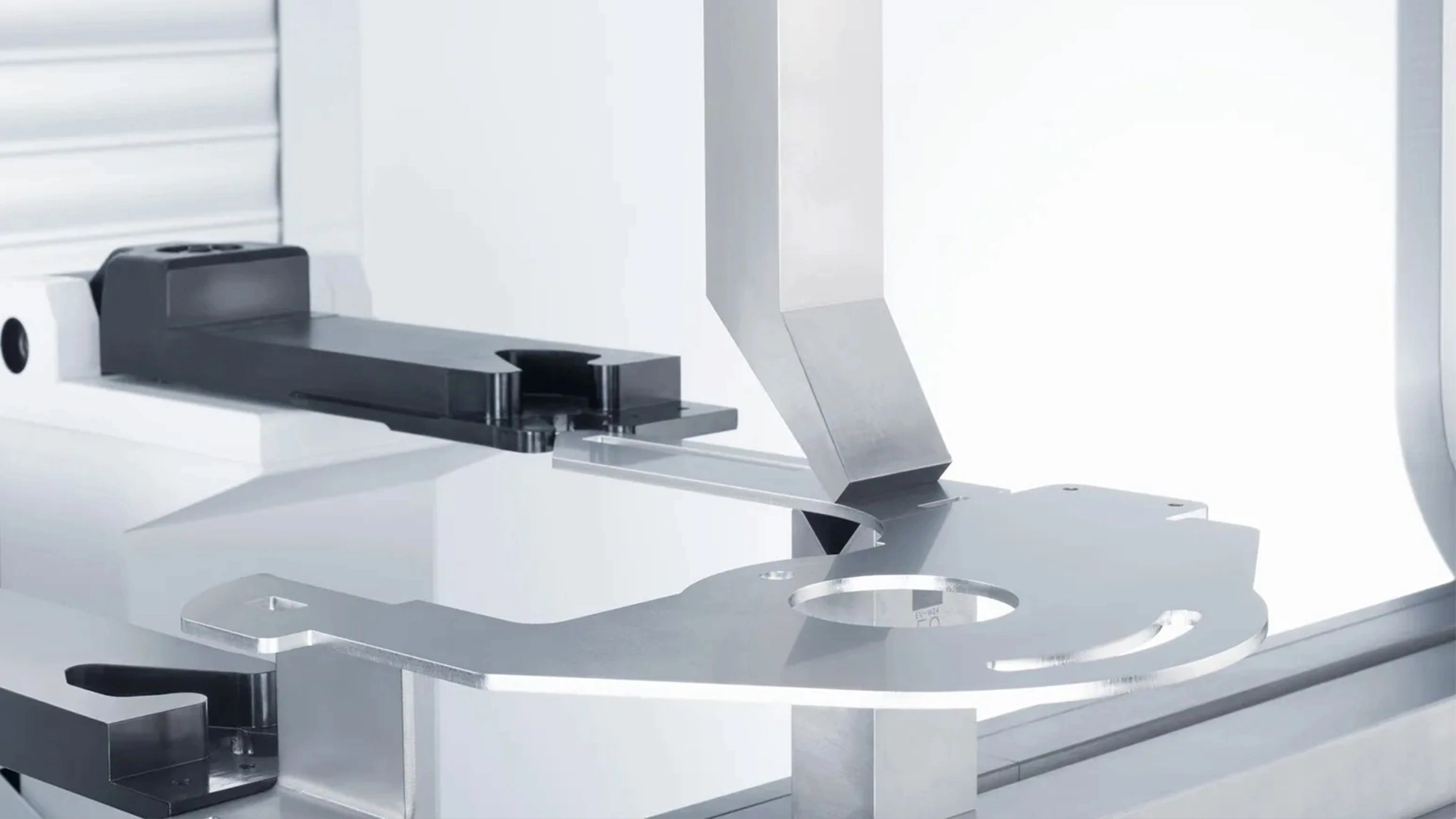







How to Choose the Right Sheet Metal Press Brake
High accuracy ensures consistent, high-quality bends. Servo Precision: Achieves ±0.01 mm, ideal for critical applications like aerospace., Hydraulic Precision: ±0.1 mm, sufficient for general manufacturing.
Repeatability: CNC systems ensure identical bends across batches.
Tip: Request a demo to verify accuracy with your specific materials.
Control System Advanced controls enhance precision and automation.
CNC Systems: Enable programmable bend angles, sequences, and real-time monitoring.
Smart Features: Look for IoT-enabled systems for data analytics and predictive maintenance (e.g., Trumpf’s TruBend systems).
User Interface: Intuitive touch-screen interfaces reduce operator errors.
Tip: Opt for offline programming to streamline setup and reduce downtime.
High wear resistance
Operation Intuitiveness.
User-friendly press brakes improve efficiency and reduce training time.
Interface: Touch-screen CNC systems with 3D visualization simplify programming.
Training: Ensure manufacturers offer operator training or tutorials.
Tip: Test the interface during a demo to confirm ease of use.
Maintenance Requirements.
Low maintenance minimizes downtime and costs.
Hydraulic Models: Require regular oil checks, filter replacements, and leak inspections.
Servo Models: Need minimal maintenance, focusing on lubrication and software updates.
Spare Parts: Confirm availability of molds and components for quick repairs.
Tip: Schedule preventive maintenance (e.g., quarterly checks) to extend machine life.
Evaluating Manufacturers and After-Sales Service.
Brand Reputation
Choose trusted manufacturers for quality and reliability.
Top Brands: Amada (precision), Trumpf (automation), Bystronic (efficiency), Accurpress (affordability).
Industry Feedback: Check reviews on platforms like Thomasnet for user experiences.
Tip: Attend trade shows (e.g., FABTECH) to see machines in action.
Add Your Heading Text Here.
After-Sales Support.
Robust support ensures long-term performance.
Service Network: Local technicians reduce repair downtime.
Warranty: Look for 1–3-year warranties on critical components like rams and motors.
Parts Supply: Ensure fast access to molds and spares via distributors.
CNC Systems: Enable programmable bend angles, sequences, and real-time monitoring.
Cost and Budget Considerations.
Total Cost of Ownership.
Evaluate both upfront and long-term costs.
High wear resistance
Operational Costs: Energy (servo lower), maintenance (hydraulic higher), and labor.
ROI: Servo models offer faster ROI for high-precision tasks due to efficiency gains.
Tip: Compare quotes from multiple suppliers to optimize costs.
Budget Control.
Tip: Test the interface during a demo to confirm ease of use.
Refurbished Machines: Certified pre-owned press brakes save 20–40% (The Fabricator).
Financing Options: Leasing or payment plans ease budget constraints.
Tip: Prioritize features matching your production volume and precision needs.
Servo Models: Need minimal maintenance, focusing on lubrication and software updates.
A mid-sized automotive parts manufacturer in Ohio upgraded from a hydraulic to a servo press brake (Amada HG series) in 2024. Facing demands for ±0.02 mm precision in aluminum panels, the servo model reduced setup times by 30% and energy costs by 40%, per Amada’s performance data. The CNC system’s 3D programming allowed rapid prototyping, increasing throughput by 25%. This case highlights servo press brakes’ advantages for precision-driven, high-volume production.
Emerging Trends in Press Brakes.
Industry 4.0 Integration: Smart press brakes with IoT (e.g., Bystronic’s Xpert Pro) offer real-time monitoring, predictive maintenance, and data analytics, improving efficiency by 15–20% (Bystronic data).
Brand Reputation
Sustainability: Servo models align with green manufacturing by reducing energy use and hydraulic waste.
FAQs: Common Questions About Sheet Metal Press Brakes.
Q: Can hydraulic press brakes handle thin sheets?.
Tip: Attend trade shows (e.g., FABTECH) to see machines in action.
Q: How do I choose between hydraulic and servo for small shops?.
A: Hydraulic models are more cost-effective for small shops with varied bending needs; servo models suit precision-focused tasks but require higher investment.
Q: What maintenance is critical for press brakes?
A: Hydraulic models need regular oil and filter changes; servo models require lubrication and software updates to maintain performance.
Q: How do I ensure consistent bend quality?
| A: Use CNC systems with back gauges and verify mold alignment; regular calibration ensures repeatability. | Tip: Request a demo to verify accuracy with your specific materials. | Warranty: Look for 1–3-year warranties on critical components like rams and motors. |
|---|---|---|
| press brake safety | Cost and Budget Considerations | Total Cost of Ownership |
| Evaluate both upfront and long-term costs. | Purchase Price: Hydraulic ($5,000-$100,000); servo ($50,000-$500,000). | Operational Costs: Energy (servo lower), maintenance (hydraulic higher), and labor. |
| Application | Tip: Compare quotes from multiple suppliers to optimize costs. | Budget Control |
| Align your choice with financial constraints. | $5,000-$100,000 | $50,000-$500,000 |
| Refurbished Machines: Certified pre-owned press brakes save 20–40% (The Fabricator). | Financing Options: Leasing or payment plans ease budget constraints. | Tip: Prioritize features matching your production volume and precision needs. |
| Servo Models: Need minimal maintenance, focusing on lubrication and software updates. | A mid-sized automotive parts manufacturer in Ohio upgraded from a hydraulic to a servo press brake (Amada HG series) in 2024. Facing demands for ±0.02 mm precision in aluminum panels, the servo model reduced setup times by 30% and energy costs by 40%, per Amada’s performance data. The CNC system’s 3D programming allowed rapid prototyping, increasing throughput by 25%. This case highlights servo press brakes’ advantages for precision-driven, high-volume production. | Emerging Trends in Press Brakes |
| Industry 4.0 Integration: Smart press brakes with IoT (e.g., Bystronic’s Xpert Pro) offer real-time monitoring, predictive maintenance, and data analytics, improving efficiency by 15–20% (Bystronic data). | Hybrid Models: Combining hydraulic power with servo precision, hybrid press brakes balance cost and performance for medium-scale shops. | Sustainability: Servo models align with green manufacturing by reducing energy use and hydraulic waste. |
FAQs: Common Questions About Sheet Metal Press Brakes
Tip: Request a demo to verify accuracy with your specific materials.
A: Yes, with proper tooling and pressure adjustments, hydraulic brakes can bend sheets as thin as 0.5 mm, though servo models offer better precision for thin materials.
Q: How do I choose between hydraulic and servo for small shops?
A: Hydraulic models are more cost-effective for small shops with varied bending needs; servo models suit precision-focused tasks but require higher investment.
Q: What maintenance is critical for press brakes?.
A: Hydraulic models need regular oil and filter changes; servo models require lubrication and software updates to maintain performance.
Q: How do I ensure consistent bend quality?.
A: Use CNC systems with back gauges and verify mold alignment; regular calibration ensures repeatability.
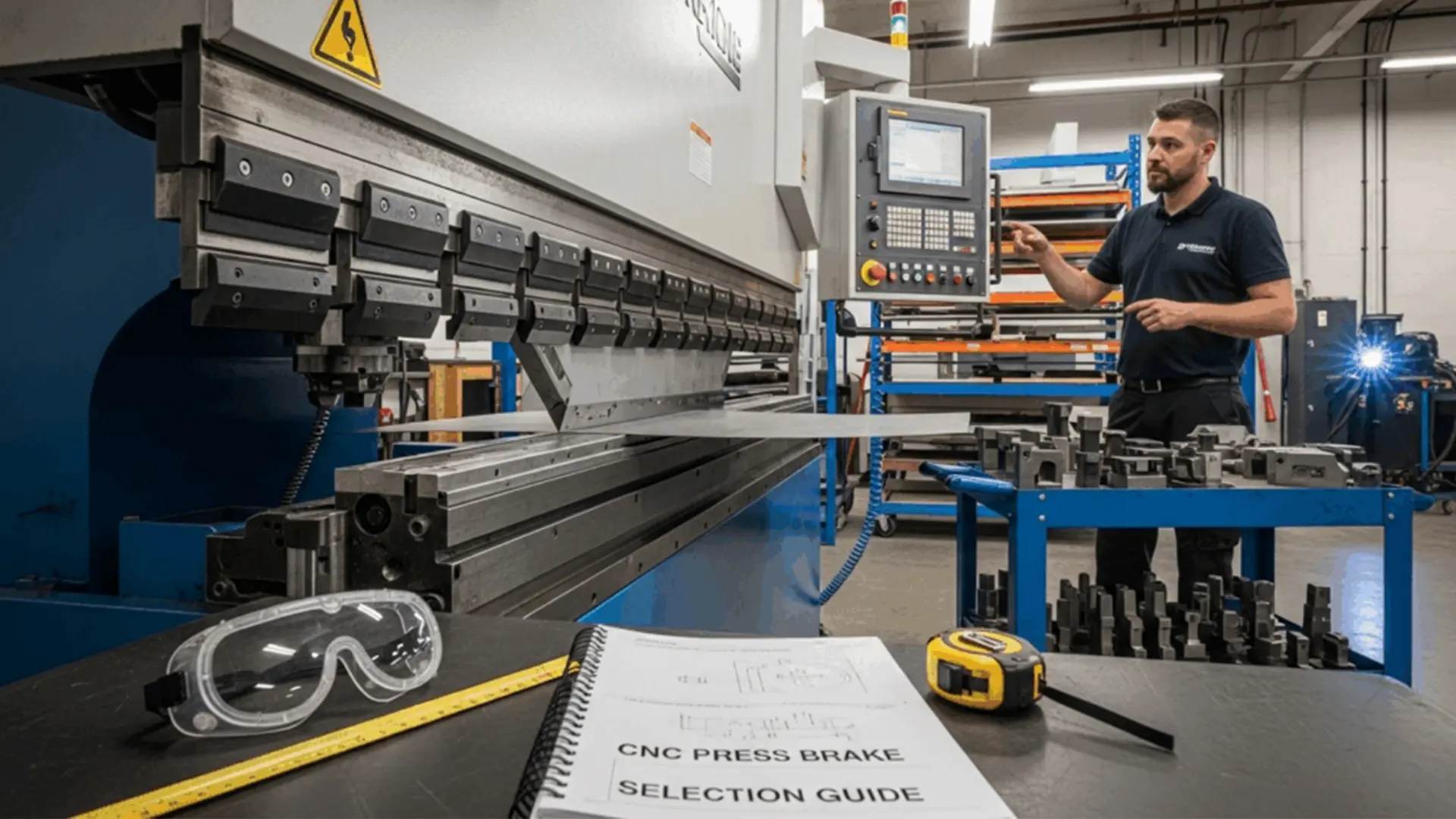
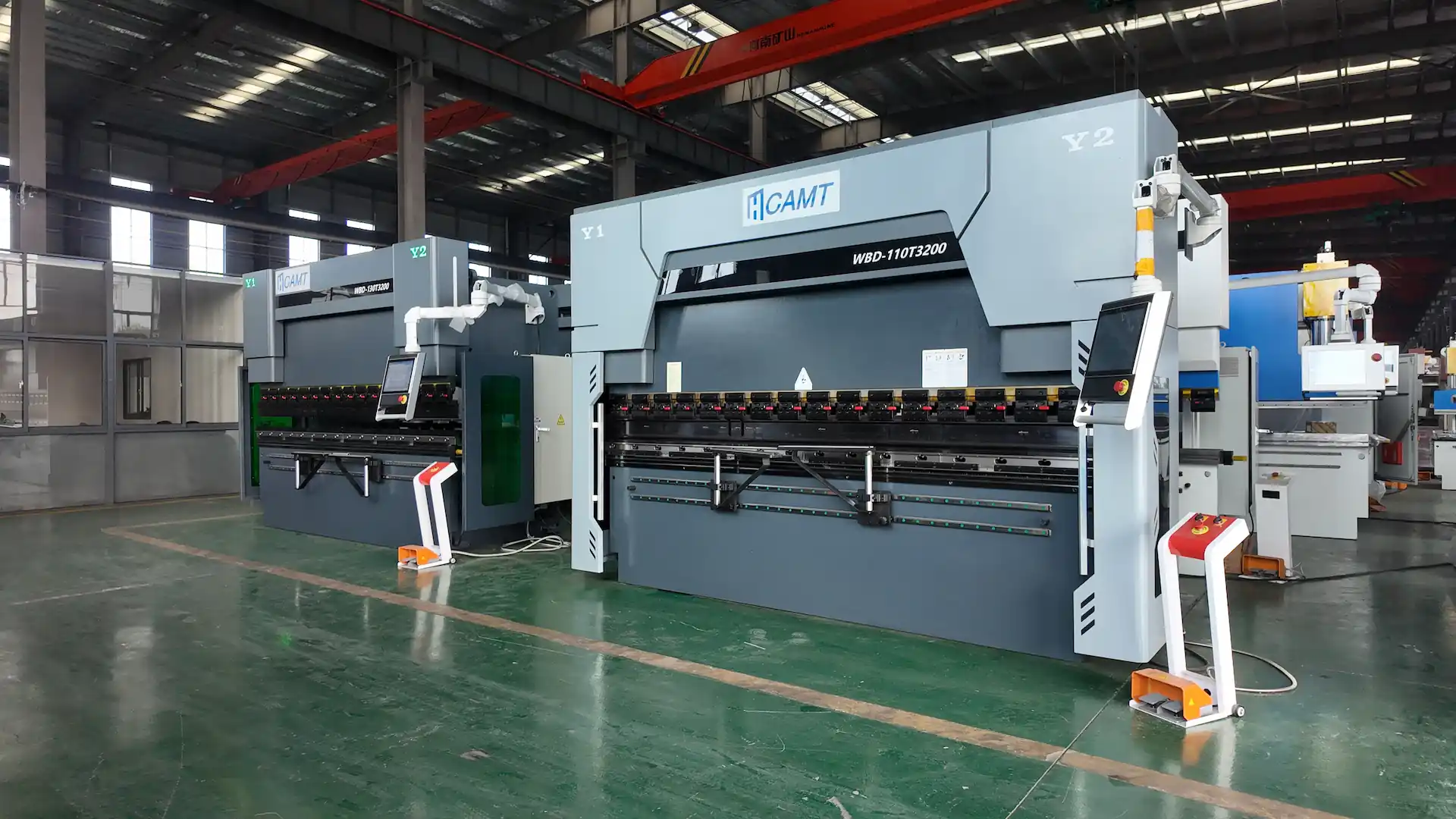
Choosing the right sheet metal press brake involves weighing hydraulic vs. servo models based on your project needs—material thickness, precision, and production volume. Hydraulic press brakes offer cost-effective power for thick sheets, while servo models excel in precision and energy efficiency for high-tech applications. Consider worktable size, mold compatibility, control systems, maintenance, and manufacturer support to ensure a smart investment. With trends like IoT and hybrid models shaping the future, selecting a press brake that aligns with your goals will boost productivity and quality.
Q: How do I choose between hydraulic and servo for small shops?
Read more about Press Brake Maintenance and Repair.
Read more about Practical Methods for Press Brake Accuracy with Long Term Precision.
Read more about Practical Guidance For Press Brake Operation.
Read more about How to Properly Install a Press Brake Machine.

press brake safety
Positioning Accuracy
High accuracy ensures consistent, high-quality bends.
Q: How do I choose between hydraulic and servo for small shops?
Servo Precision: Achieves ±0.01 mm, ideal for critical applications like aerospace.
Hydraulic Precision: ±0.1 mm, sufficient for general manufacturing.
Repeatability: CNC systems ensure identical bends across batches.
Tip: Request a demo to verify accuracy with your specific materials.
Control System
Advanced controls enhance precision and automation.
Q: How do I choose between hydraulic and servo for small shops?
CNC Systems: Enable programmable bend angles, sequences, and real-time monitoring.
Smart Features: Look for IoT-enabled systems for data analytics and predictive maintenance (e.g., Trumpf’s TruBend systems).
User Interface: Intuitive touch-screen interfaces reduce operator errors.
Tip: Opt for offline programming to streamline setup and reduce downtime.
Operation and Maintenance
Operation Intuitiveness
User-friendly press brakes improve efficiency and reduce training time.
Q: How do I choose between hydraulic and servo for small shops?
Interface: Touch-screen CNC systems with 3D visualization simplify programming.
Training: Ensure manufacturers offer operator training or tutorials.
Tip: Test the interface during a demo to confirm ease of use.
Maintenance Requirements
Low maintenance minimizes downtime and costs.
Q: How do I choose between hydraulic and servo for small shops?
Hydraulic Models: Require regular oil checks, filter replacements, and leak inspections.
Servo Models: Need minimal maintenance, focusing on lubrication and software updates.
Spare Parts: Confirm availability of molds and components for quick repairs.
Tip: Schedule preventive maintenance (e.g., quarterly checks) to extend machine life.
Evaluating Manufacturers and After-Sales Service
Brand Reputation
Choose trusted manufacturers for quality and reliability.
Q: How do I choose between hydraulic and servo for small shops?
Top Brands: Amada (precision), Trumpf (automation), Bystronic (efficiency), Accurpress (affordability).
Industry Feedback: Check reviews on platforms like Thomasnet for user experiences.
Tip: Attend trade shows (e.g., FABTECH) to see machines in action.
Add Your Heading Text Here
After-Sales Support
Robust support ensures long-term performance.
Q: How do I choose between hydraulic and servo for small shops?
Service Network: Local technicians reduce repair downtime.
Warranty: Look for 1–3-year warranties on critical components like rams and motors.
Parts Supply: Ensure fast access to molds and spares via distributors.
Tip: Request detailed service contracts before purchasing.
Cost and Budget Considerations
Total Cost of Ownership
Evaluate both upfront and long-term costs.
Q: How do I choose between hydraulic and servo for small shops?
Purchase Price: Hydraulic ($5,000-$100,000); servo ($50,000-$500,000).
Operational Costs: Energy (servo lower), maintenance (hydraulic higher), and labor.
ROI: Servo models offer faster ROI for high-precision tasks due to efficiency gains.
Tip: Compare quotes from multiple suppliers to optimize costs.
Budget Control
Align your choice with financial constraints.
Q: How do I choose between hydraulic and servo for small shops?
Refurbished Machines: Certified pre-owned press brakes save 20–40% (The Fabricator).
Financing Options: Leasing or payment plans ease budget constraints.
Tip: Prioritize features matching your production volume and precision needs.
Case Study: Precision Manufacturing with a Servo Press Brake
A mid-sized automotive parts manufacturer in Ohio upgraded from a hydraulic to a servo press brake (Amada HG series) in 2024. Facing demands for ±0.02 mm precision in aluminum panels, the servo model reduced setup times by 30% and energy costs by 40%, per Amada’s performance data. The CNC system’s 3D programming allowed rapid prototyping, increasing throughput by 25%. This case highlights servo press brakes’ advantages for precision-driven, high-volume production.
Emerging Trends in Press Brakes
Industry 4.0 Integration: Smart press brakes with IoT (e.g., Bystronic’s Xpert Pro) offer real-time monitoring, predictive maintenance, and data analytics, improving efficiency by 15–20% (Bystronic data).
Hybrid Models: Combining hydraulic power with servo precision, hybrid press brakes balance cost and performance for medium-scale shops.
Sustainability: Servo models align with green manufacturing by reducing energy use and hydraulic waste.
FAQs: Common Questions About Sheet Metal Press Brakes
Q: Can hydraulic press brakes handle thin sheets?
A: Yes, with proper tooling and pressure adjustments, hydraulic brakes can bend sheets as thin as 0.5 mm, though servo models offer better precision for thin materials.
Q: How do I choose between hydraulic and servo for small shops?
A: Hydraulic models are more cost-effective for small shops with varied bending needs; servo models suit precision-focused tasks but require higher investment.
Q: What maintenance is critical for press brakes?
A: Hydraulic models need regular oil and filter changes; servo models require lubrication and software updates to maintain performance.
Q: How do I ensure consistent bend quality?
A: Use CNC systems with back gauges and verify mold alignment; regular calibration ensures repeatability.
Press brake maintenance and repair should be viewed as an ongoing process rather than a reaction to failure. Proper lubrication, careful hydraulic system management, and regular mechanical inspection form the foundation of reliable machine operation. These practices not only reduce downtime but also help maintain consistent bending accuracy over the machine’s service life.
Choosing the right sheet metal press brake involves weighing hydraulic vs. servo models based on your project needs—material thickness, precision, and production volume. Hydraulic press brakes offer cost-effective power for thick sheets, while servo models excel in precision and energy efficiency for high-tech applications. Consider worktable size, mold compatibility, control systems, maintenance, and manufacturer support to ensure a smart investment. With trends like IoT and hybrid models shaping the future, selecting a press brake that aligns with your goals will boost productivity and quality.

Metalworking specialist with 12 years of experience in sheet metal fabrication and press brake applications, certified by ASME.
All Products.