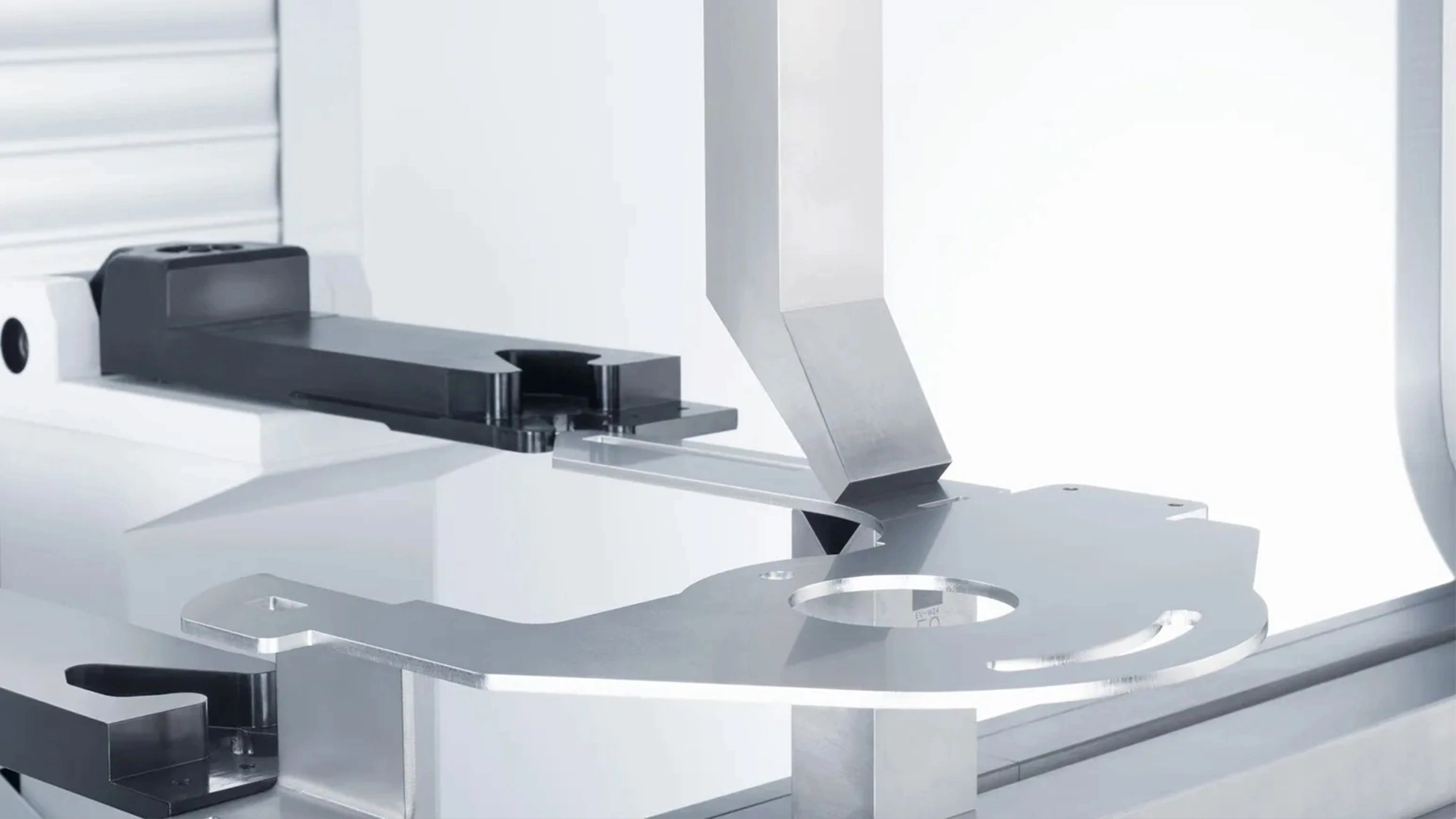







Laser Cutting Gas Role and Selection
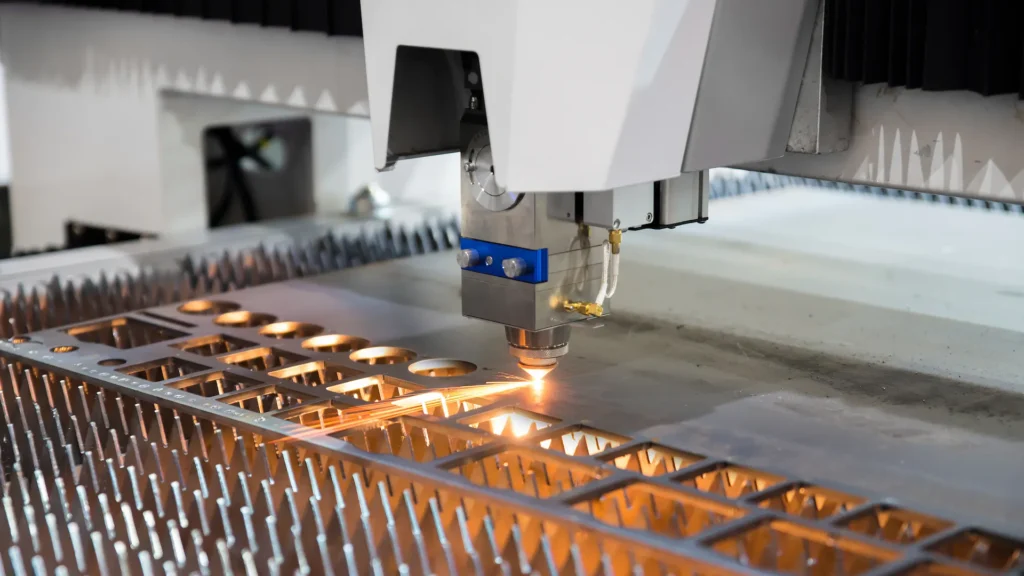
laser cutting gas
press brake machine.
press brake safety
Assist gases play a crucial role in controlling chemical reactions, particularly oxidation, during the laser cutting process. For carbon steel, oxygen is used to promote an exothermic reaction, generating additional heat that accelerates cutting, especially for thicker materials. However, oxygen purity is critical—typically 99.5% or higher—to prevent impurities that could degrade cut quality or affect machine performance. Impure oxygen can lead to surface oxidation or inconsistent cuts, a common concern for users of fiber laser cutters.
In contrast, stainless steel, aluminum, and other non-ferrous metals require nitrogen as an inert gas to prevent oxidation, resulting in clean, oxide-free edges. This is vital for industries like aerospace, medical device manufacturing, or food processing, where smooth, polished finishes are non-negotiable. For thicker stainless steel (8mm or more), ultra-high-purity nitrogen (99.999%) is necessary to maintain quality under high-pressure conditions (up to 2 MPa or higher). The choice of laser cutting machine gas thus directly impacts the final appearance and functionality of the cut, addressing user needs for material-specific outcomes.
How to Select the Right Assist Gas for Your Laser Cutting Machine
Choosing the appropriate assist gas involves balancing material type, thickness, desired cut quality, and cost considerations. Below, we explore the applications of oxygen, nitrogen, and compressed air in laser cutting machine operations, providing detailed guidance to address user search intent and optimize performance.
1. Oxygen: The Go-To for Carbon Steel Cutting.
Oxygen is the preferred assist gas for carbon steel due to its ability to enhance cutting speed through oxidation. The exothermic reaction generates additional heat, allowing the laser to cut through thicker materials more efficiently. High-purity oxygen (99.5% or higher) is essential to ensure clean cuts and prevent contamination, which can lead to surface imperfections or machine issues.
: Ideal for carbon steel of varying thicknesses, from thin sheets to plates up to 22mm or more.
Pressure Requirements.
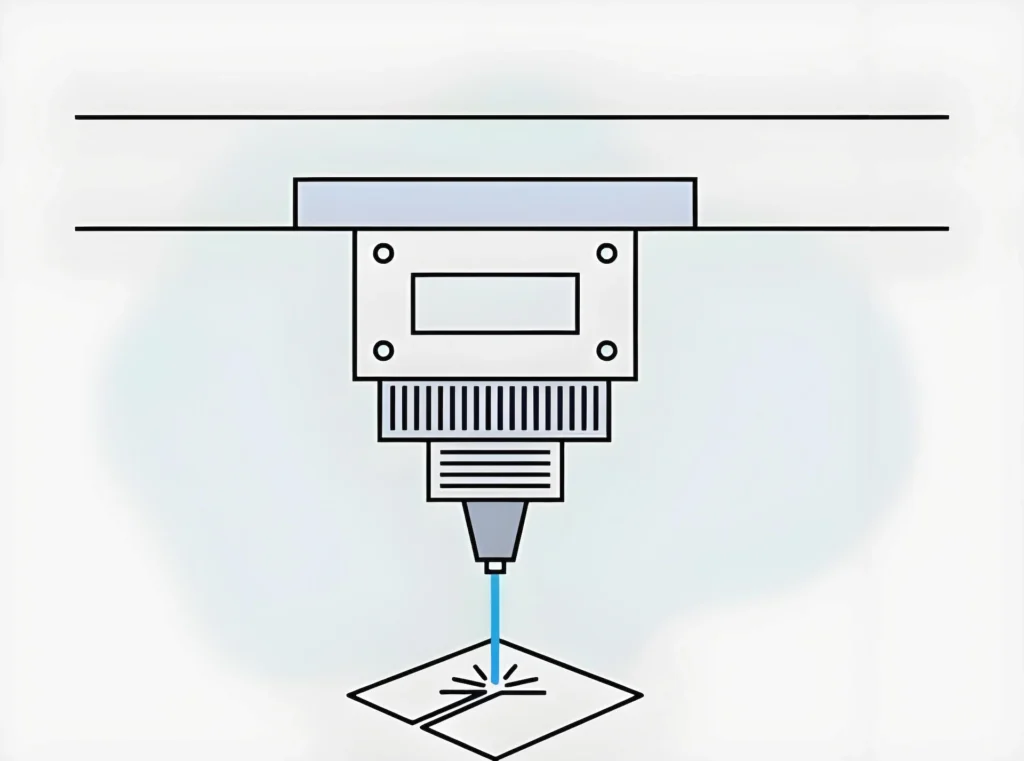
: Typically ranges from 0.3 to 0.8 MPa, with nozzle pressures of 0.02–0.05 MPa, depending on the machine and material thickness.
Flow Rates.
: For 22mm carbon steel, flow rates can reach 10 m³/h, including protective oxygen for dual-layer nozzles to shield the laser lens.
Cost.
Low maintenance minimizes downtime and costs.Considerations.
: Impurities in oxygen can cause inconsistent cuts or surface oxidation, so a reliable, high-purity supply is critical for CNC laser cutting machine performance. Regular maintenance of gas delivery systems is essential to avoid contamination.2. Nitrogen: Preferred for Stainless Steel and Non-Ferrous Metals.
Nitrogen is the assist gas of choice for cutting stainless steel, aluminum, copper, brass, and other non-ferrous metals where oxidation must be avoided. As an inert gas, nitrogen prevents oxide formation, delivering clean, shiny edges that require minimal post-processing. However, nitrogen cutting often demands higher pressures and flow rates, especially for thicker materials, which can increase operational costs.: Recommended for stainless steel (8mm or thicker), aluminum, copper, and other non-ferrous metals requiring polished finishes.
Purity Requirements: For thick stainless steel (12mm or more), nitrogen purity should be 99.999% to ensure optimal edge quality.
: Cutting thick stainless steel may require pressures exceeding 1 MPa, sometimes reaching 2 MPa or higher for plates up to 20mm.: Vary significantly by thickness—e.g., 150 m³/h for 12mm stainless steel, 50 m³/h or less for 3mm stainless steel.
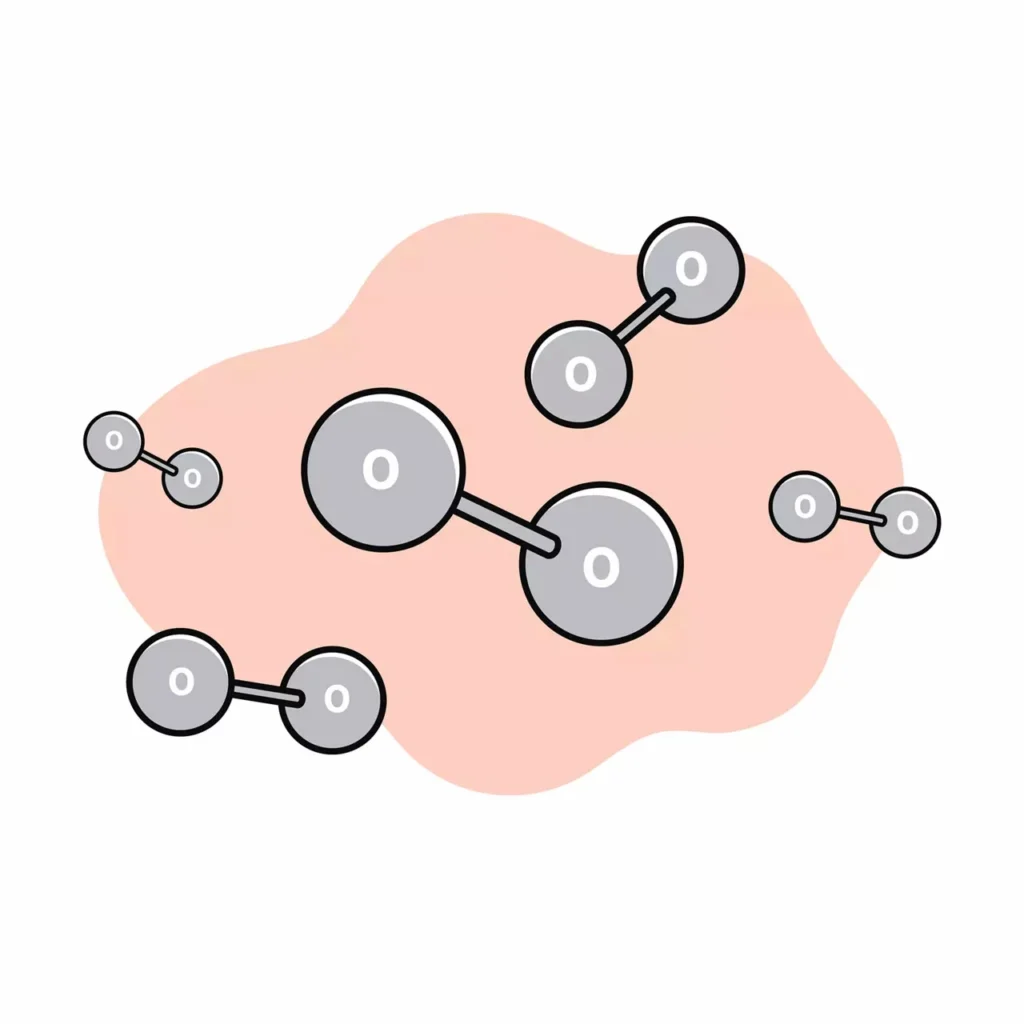
: Nitrogen is more expensive than oxygen due to its high purity and large volume requirements, particularly for thick materials.
: A consistent nitrogen supply is crucial to avoid interruptions, as high flow rates can deplete reserves quickly in fiber laser cutter operations. Users should invest in reliable gas storage and delivery systems.
Low maintenance minimizes downtime and costs.Compressed air is an economical option for certain laser cutting applications, particularly when cost is a primary concern or when cutting thin materials. However, it requires rigorous filtration and drying to remove moisture, oil, and contaminants that could damage the laser cutting machine’s optics or degrade cut quality. Compressed air serves multiple functions, including acting as a cutting gas, powering clamping mechanisms, and cleaning the optical system.
: Suitable for thin materials (e.g., <3mm steel or aluminum) or cost-sensitive operations where edge quality is less critical.Processing Requirements.
: Impurities in oxygen can cause inconsistent cuts or surface oxidation, so a reliable, high-purity supply is critical for CNC laser cutting machine performance. Regular maintenance of gas delivery systems is essential to avoid contamination.Mixed with high-purity oxygen or nitrogen to form the cutting gas.
Nitrogen is the assist gas of choice for cutting stainless steel, aluminum, copper, brass, and other non-ferrous metals where oxidation must be avoided. As an inert gas, nitrogen prevents oxide formation, delivering clean, shiny edges that require minimal post-processing. However, nitrogen cutting often demands higher pressures and flow rates, especially for thicker materials, which can increase operational costs.Cleans the optical system to ensure dust-free operation and protect laser lenses.
Purity Requirements: A high-quality air compressor with advanced filtration is essential to prevent contamination of the laser’s protective lenses, which could compromise cut quality or damage the optical system in CNC laser cutting machine applications.
: Cutting thick stainless steel may require pressures exceeding 1 MPa, sometimes reaching 2 MPa or higher for plates up to 20mm.Match Gas to Material and Thickness.
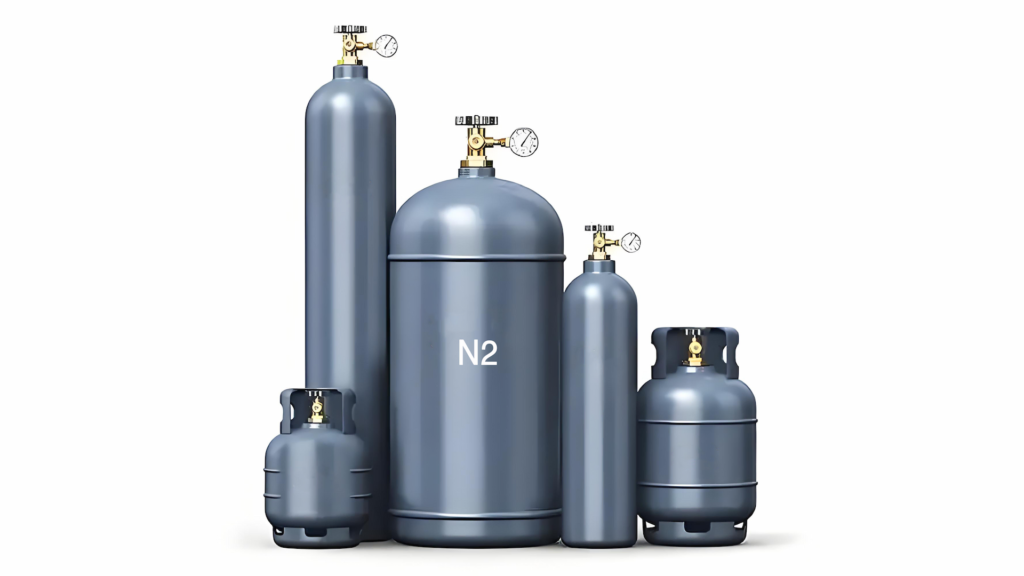
: Select oxygen for carbon steel, nitrogen for stainless steel and non-ferrous metals, and compressed air for thin materials or cost-sensitive projects. For example, use nitrogen for 12mm stainless steel to achieve oxide-free edges, but switch to oxygen for 20mm carbon steel to leverage cost-effective oxidation.
Ensure Gas Purity and Supply.
Low maintenance minimizes downtime and costs.Optimize Pressure and Flow Rates.
: Verify that your laser cutting machine’s nozzles and gas delivery system support the required pressure (e.g., 0.3–2 MPa) and flow rates (e.g., 10–150 m³/h) for your material and thickness. Consult your machine’s manual or manufacturers like Trumpf for specific settings.Balance Costs
: Compressed air is the cheapest option, but nitrogen costs can escalate for thick stainless steel. Use flow meters to monitor consumption and optimize expenses, especially in high-volume fiber laser cutter operations.
Support with Equipment.
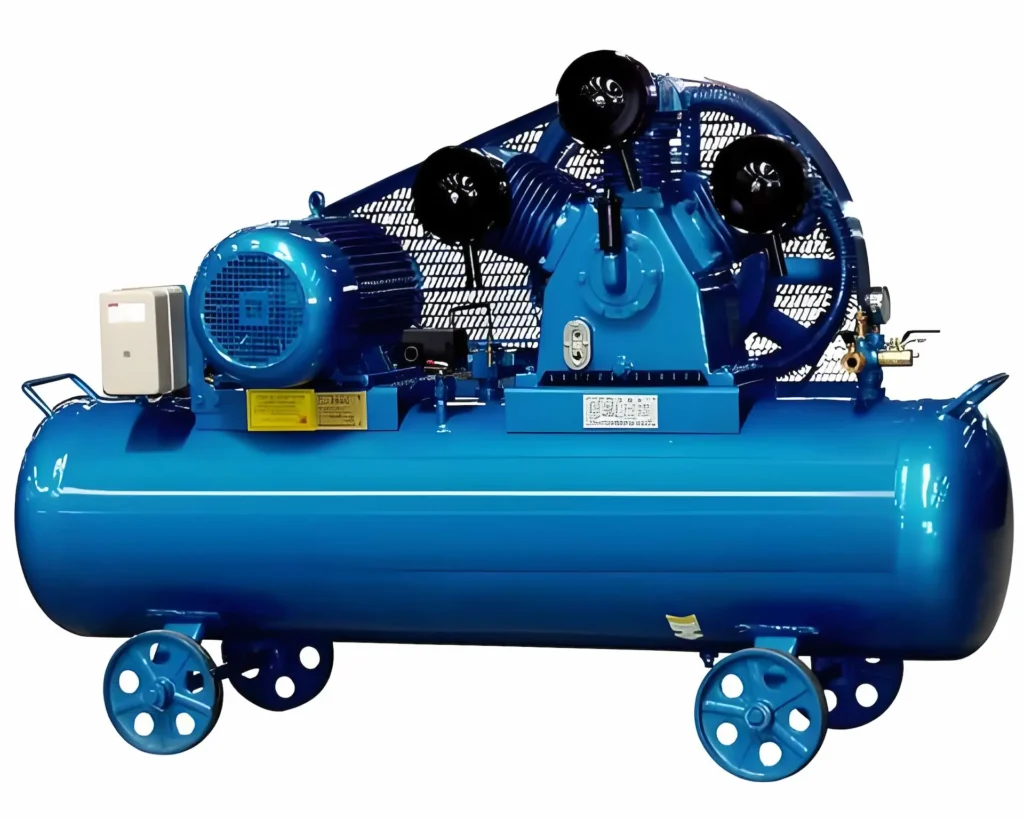
: Equip your laser cutting machine with a high-quality air compressor and laser chiller (e.g., S&A Chiller) to maintain stable operation, protect optical components, and enhance cooling efficiency. Regular maintenance of these systems is critical to prevent downtime.
Purity RequirementsGas Delivery System Maintenance.
: Cutting thick stainless steel may require pressures exceeding 1 MPa, sometimes reaching 2 MPa or higher for plates up to 20mm.Nozzle Selection and Calibration.
: The nozzle design affects gas flow and pressure distribution. For example, double-layer nozzles are often used with oxygen to provide protective gas flow, reducing lens contamination. Calibrate nozzle settings based on material thickness and gas type, as recommended by manufacturers like Trumpf or Bystronic.
Integration with Automation: Modern CNC laser cutting machines often feature automated gas selection systems that adjust pressure and flow based on material and thickness. Explore machines with built-in gas management software to streamline operations and reduce manual errors.
Environmental and Safety Considerations: High-pressure gas systems require careful handling to prevent leaks or accidents. Ensure compliance with safety standards, such as those outlined by OSHA for gas storage and handling, and train operators on proper gas management protocols.
Enhancing Performance with Integrated SystemsMaximizing laser cutting machine performance requires integrating assist gas management with other critical systems, such as laser chillers. S&A Chillers, widely used in fiber laser cutter applications, maintain stable operating temperatures, preventing overheating and ensuring consistent laser output. This complements the cooling effects of assist gases, enhancing precision and extending machine lifespan. For example, a well-maintained chiller can reduce thermal stress on the laser source, allowing for longer cutting sessions without quality degradation.
Regular maintenance of the gas delivery system is equally important. Check for leaks, monitor gas purity with sensors, and clean nozzles to prevent blockages or contamination. By combining proper gas selection with robust equipment maintenance, you can achieve superior cut quality, minimize downtime, and boost productivity in CNC laser cutting machine operations.Frequently Asked Questions (FAQ).
What is the best assist gas for cutting stainless steel?Nitrogen is the best choice for stainless steel, especially for thicknesses of 8mm or more, as it prevents oxidation and delivers clean, polished edges. Use ultra-high-purity nitrogen (99.999%) for thick plates to ensure quality.
How does oxygen improve carbon steel cutting?
Oxygen promotes an exothermic reaction, generating additional heat that accelerates cutting, particularly for thicker carbon steel (up to 22mm). Ensure 99.5% purity to avoid impurities that could affect cut quality.Can compressed air replace nitrogen or oxygen?.
Compressed air is a cost-effective alternative for thin materials or less demanding applications, but it requires advanced filtration to prevent contamination. It’s less suitable for thick stainless steel or high-precision cuts.How do I reduce assist gas costs?.
Optimize flow rates with flow meters, use compressed air for thin materials, and invest in on-site gas generation systems for nitrogen or oxygen to reduce reliance on external suppliers.Conclusion: Unlocking Precision with the Right Assist Gas.
Assist gases are the backbone of effective laser cutting, enabling clean, precise, and efficient cuts across a wide range of materials. By understanding the roles of oxygen, nitrogen, and compressed air, and selecting the appropriate laser cutting machine gas based on material type, thickness, and cost considerations, you can optimize your fiber laser cutter or CNC laser cutting machine for superior performance. Integrating proper gas selection with equipment like S&A Chillers and high-quality air compressors ensures consistent cut quality, minimal waste, and enhanced productivity.For further guidance on optimizing your laser cutting process, explore our resources on laser cutting best practices or consult industry experts to tailor your setup to your specific needs. With the right approach to laser cutting machine gas management, you can achieve professional-grade results and stay ahead in precision manufacturing.
Read more about Principle and Function of Press Brake Safety Protection System
Read more about Press Brake Maintenance and Repair.
Read more about Practical Methods for Press Brake Accuracy with Long Term Precision.
Read more about Practical Guidance For Press Brake Operation
Read more about How to Properly Install a Press Brake Machine
laser cutting gas.How does oxygen improve carbon steel cutting?
Oxygen promotes an exothermic reaction, generating additional heat that accelerates cutting, particularly for thicker carbon steel (up to 22mm). Ensure 99.5% purity to avoid impurities that could affect cut quality.Can compressed air replace nitrogen or oxygen?
Compressed air is a cost-effective alternative for thin materials or less demanding applications, but it requires advanced filtration to prevent contamination. It’s less suitable for thick stainless steel or high-precision cuts.How do I reduce assist gas costs?
Optimize flow rates with flow meters, use compressed air for thin materials, and invest in on-site gas generation systems for nitrogen or oxygen to reduce reliance on external suppliers.
Conclusion: Unlocking Precision with the Right Assist Gas
Assist gases are the backbone of effective laser cutting, enabling clean, precise, and efficient cuts across a wide range of materials. By understanding the roles of oxygen, nitrogen, and compressed air, and selecting the appropriate laser cutting machine gas based on material type, thickness, and cost considerations, you can optimize your fiber laser cutter or CNC laser cutting machine for superior performance. Integrating proper gas selection with equipment like S&A Chillers and high-quality air compressors ensures consistent cut quality, minimal waste, and enhanced productivity.
For further guidance on optimizing your laser cutting process, explore our resources on laser cutting best practices or consult industry experts to tailor your setup to your specific needs. With the right approach to laser cutting machine gas management, you can achieve professional-grade results and stay ahead in precision manufacturing.

V-Grooving Machine
- Press Brake
- Laser Cutting Machine
- Shearing Machine
- Press Brake Safety Precautions: Complete Guide for Safe Operation and Maintenance
- Hydraulic Press Machine
- Read more about Practical Methods for Press Brake Accuracy with Long Term Precision
- Rolling Machine
- Ironworker
- Press Brake Tooling
- Machinery Accessories