






Contents
What is a cnc press brake and principle
Introduction
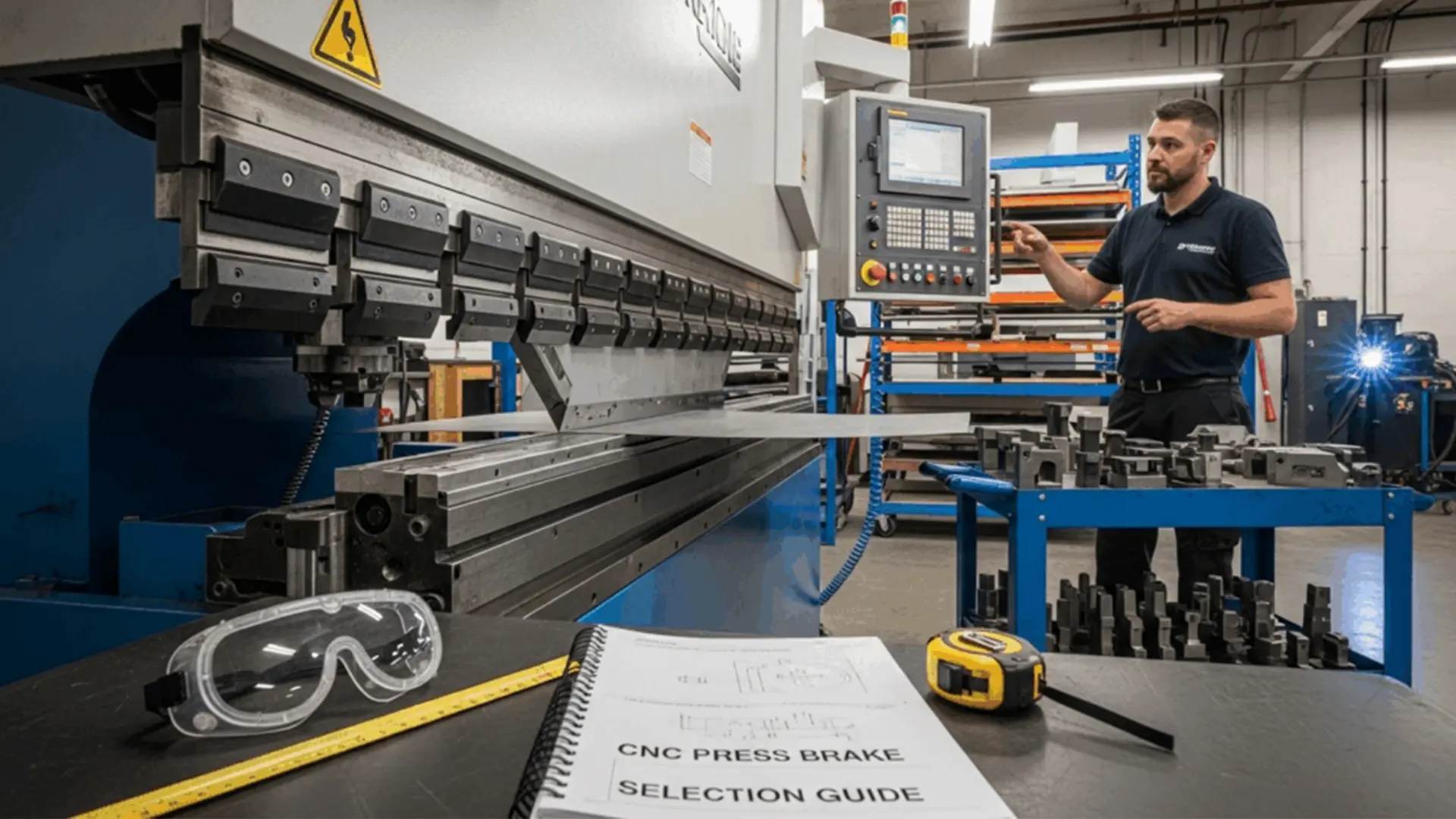
Modern manufacturing relies on smart technology to create perfect parts for various industries. A CNC press brake acts as the primary powerhouse for creators who need exact results every single time. It uses digital controls to handle how much force hits a plate of steel.
Press Brake has evolved from a simple hydraulic bender into a fully integrated smart manufacturing node that combines real-time sensor feedback, material science algorithms, and Industry 4.0 connectivity to deliver micro-level repeatability across thousands of cycles.
This automated equipment takes the guesswork out of heavy labor. By using a computer to guide the movement, the tool ensures that every bend is accurate. It allows shops to move faster while keeping their standards very high.
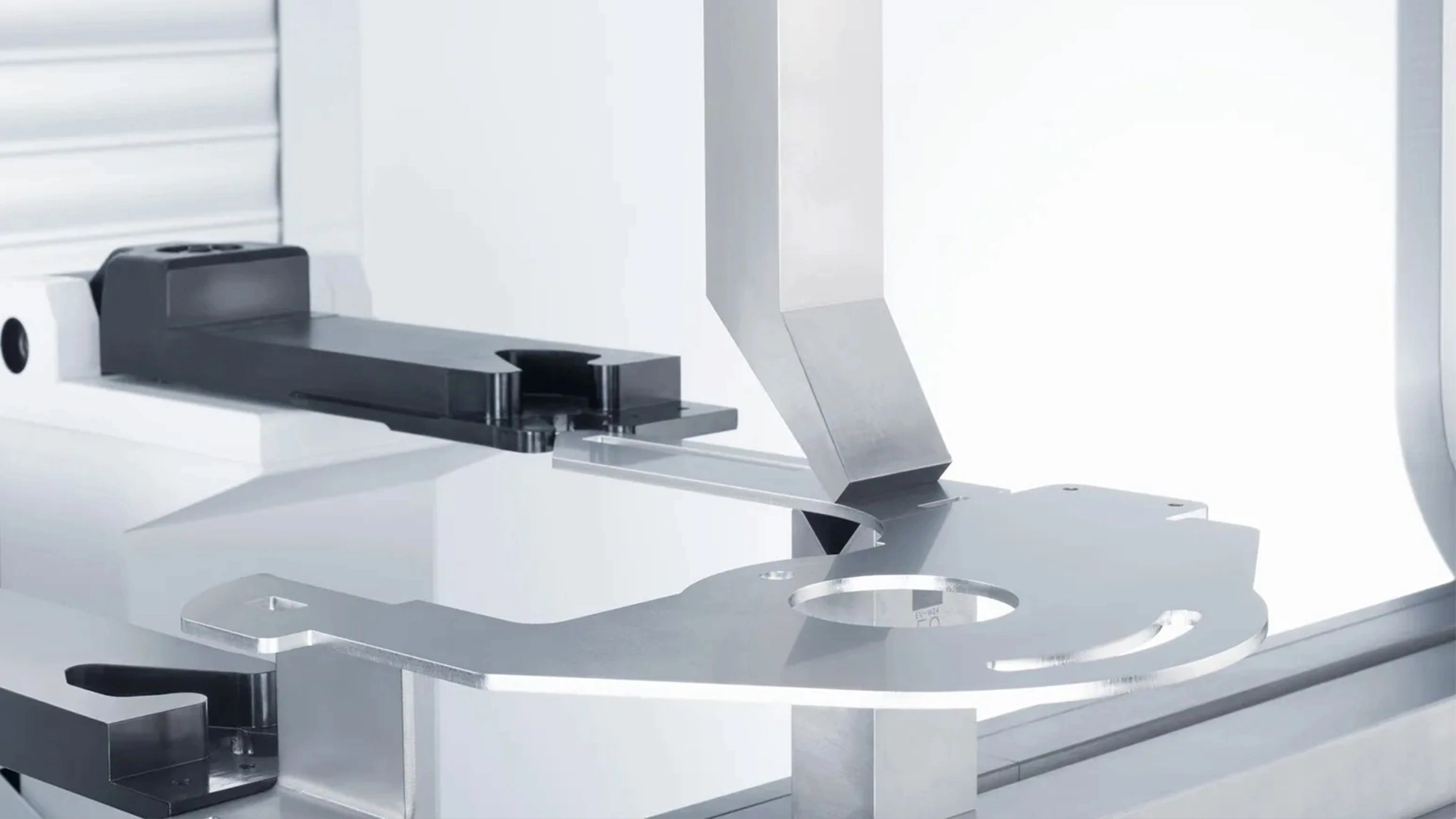
This technology makes metal shaping feel like a very simple task. By using a heavy punch and a matching die, the system creates clean angles without any struggle. It is a vital step for anyone who wants to master metal forming in a shop.
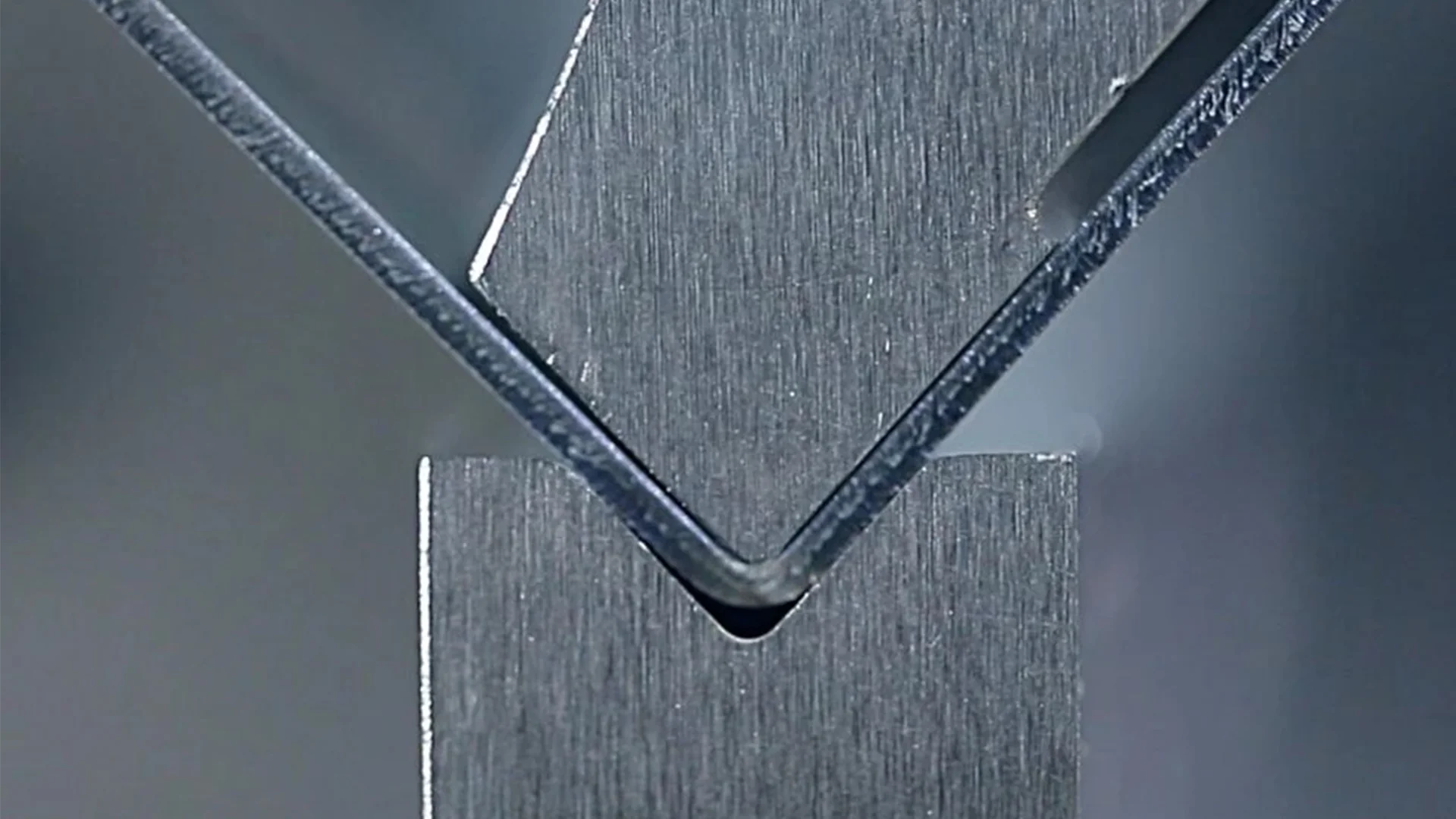
Behind the simplicity lies a sophisticated interplay of plastic deformation mechanics: the metal undergoes simultaneous tension on the outer radius and compression on the inner radius, requiring precise control of strain rates to avoid cracking or thinning.
You can expect consistent quality across every single project you decide to start. These systems reduce waste and save plenty of time during the building process. It truly serves as the backbone of a high-tech production floor.
Key Takeaways
- Smart software ensures every fold is perfectly accurate.
- Automation helps reduce human error during the work day.
- Advanced tooling creates specific angles with very little effort.
- Precision force helps builders save money on raw materials.
- Operators can program many complex folds in one sitting.
- Production speed increases with the help of computerized systems.
Real-time springback compensation algorithms automatically over-bend by 2-12° depending on material yield strength, achieving final angle tolerance of ±0.3° · Dynamic crowning systems counteract frame deflection on sheets longer than 3 meters, guaranteeing uniform bend angles along the entire length · Integration with robotic loading/unloading cells enables lights-out production, reducing labor by up to 80% in high-volume runs
Understanding the CNC Press Brake: Definition and Overview
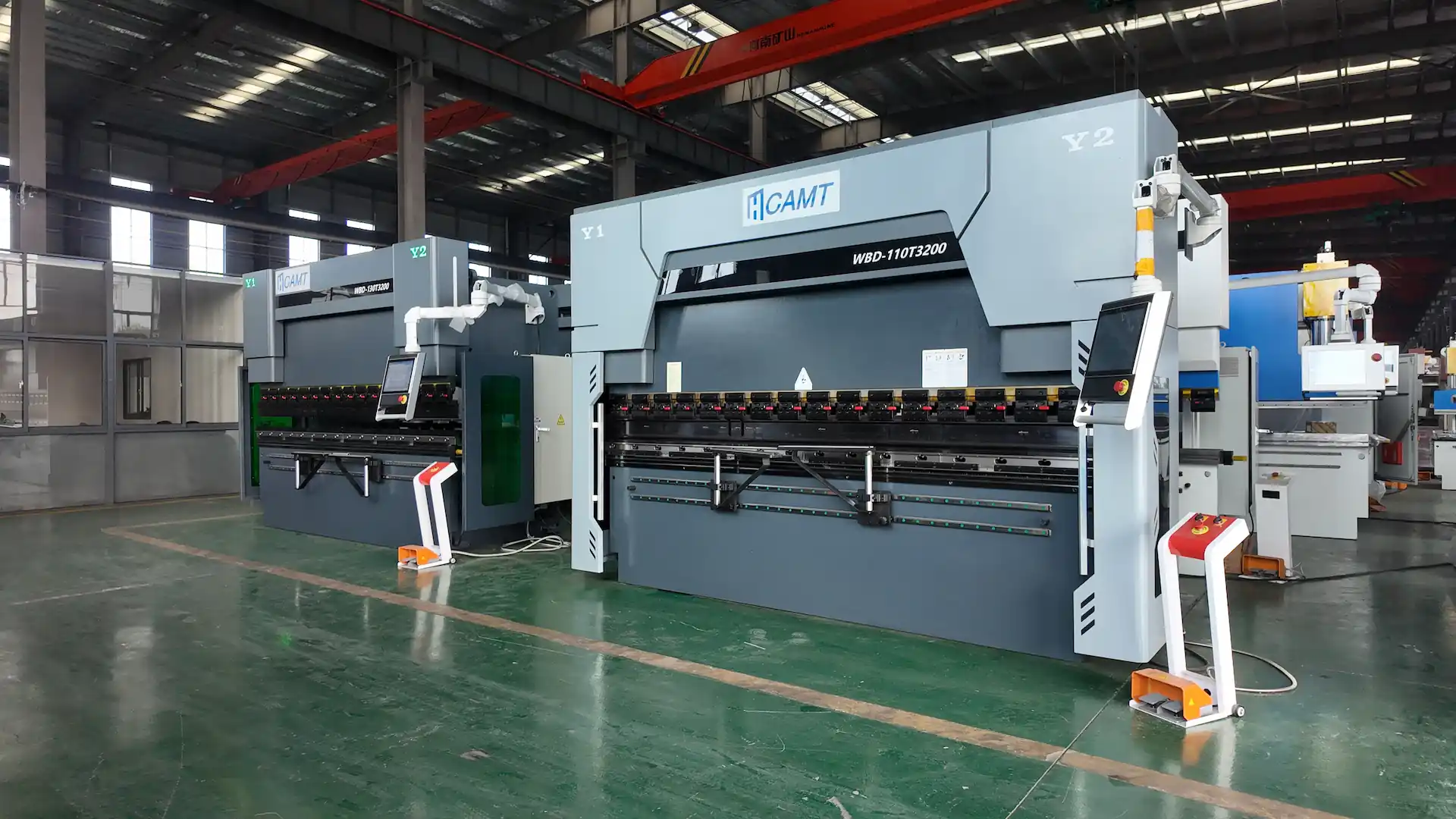
In the realm of metal fabrication, the CNC press brake stands out as a cornerstone technology. It is a machine that has revolutionized the way metal is bent and shaped with precision and accuracy. The term “CNC” stands for Computer Numerical Control, indicating that the machine is controlled by a computer program that dictates its operations.
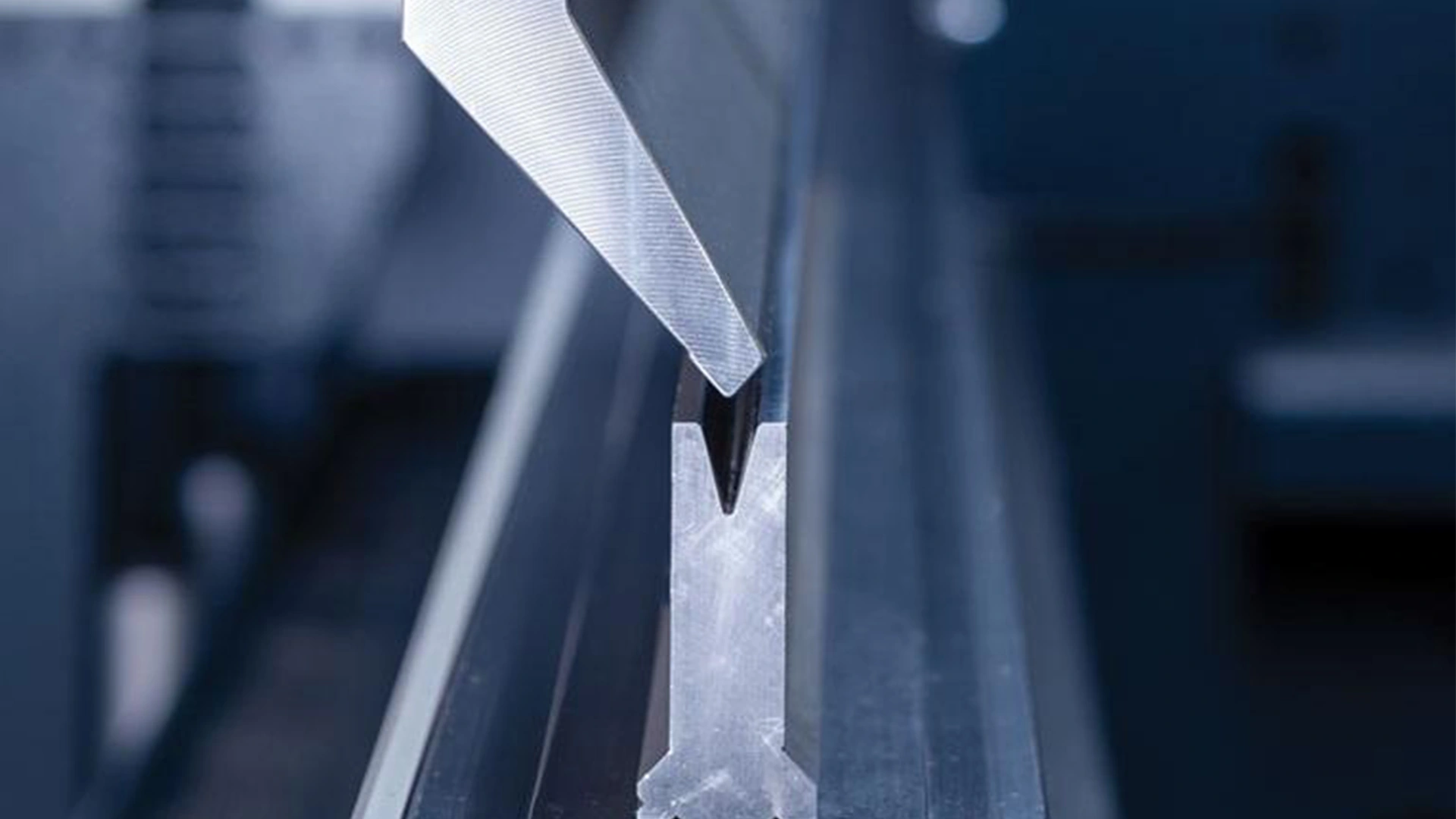
A CNC press brake machine is designed to bend metal sheets into various shapes and forms. This is achieved through a process where the machine uses a punch and die to apply force to the metal, causing it to bend. The precision and repeatability of this process are significantly enhanced by the computer control system, allowing for complex bending operations to be performed with ease.
The role of a CNC press brake in the manufacturing process is multifaceted. It is not only used for bending metal but also plays a critical part in the production of parts that require high precision. Industries such as automotive, aerospace, and construction rely heavily on CNC press brakes for the fabrication of components.
Some of the key benefits of using a CNC press brake include:
- Enhanced precision and accuracy in bending operations
- Increased efficiency due to automated control
- The ability to perform complex bending tasks with ease
- Reduced labor costs due to minimized manual intervention
By integrating computer control into the bending process, CNC press brakes have significantly improved the manufacturing process, making it more streamlined and efficient. This integration allows for the production of high-quality parts with minimal waste and reduced production time.
Modern systems further incorporate closed-loop laser angle measurement and adaptive force control, enabling first-part-good-part production even when switching between mild steel, stainless, aluminum, or high-strength alloys.
The Working Principle of CNC Press Brakes
Understanding the working principle of CNC press brakes requires insight into both the mechanical and technological aspects of these machines. The process involves a combination of force application, metal deformation, and precise control systems.
Force Application and Metal Deformation
ple, mild steel may spring back 2-5°, while high-tensile steels can rebouThe bending process in a CNC press brake begins with the application of force. The machine is equipped with a ram and punch assembly that moves down to apply pressure on the metal sheet placed over a die. This force causes the metal to deform and bend according to the shape of the die and punch.
Key factors influencing metal deformation include:
- Material type and thickness
- Die and punch geometry
- Force applied by the ram
As noted by a industry expert,
“The precision in force application directly affects the quality of the bend, making it crucial for achieving accurate results.”
A critical phenomenon here is “springback” – the elastic recovery that occurs when the bending force is removed. For examnd up to 12°. Original CNC algorithms use a built-in material database containing K-factors and Young’s modulus values to automatically calculate and apply over-bending compensation.
Computer Numerical Control Integration
CNC press brakes are equipped with advanced computer numerical control (CNC) systems. These systems allow for precise control over the bending process, enabling operators to program specific bending angles, depths, and sequences.
The CNC control unit processes the programmed instructions and controls the machine’s movements with high accuracy. This integration of CNC technology enhances the repeatability and consistency of the bending process.
CNC Control Features | Benefits |
Programmable bending angles | High precision in bending |
Automated tool changing | Increased efficiency |
Real-time monitoring | Improved quality control |
The Bending Process Step by Step
The bending process involves several steps:
- Material preparation and loading
- Tool selection and setup
- Programming the CNC control unit
- Executing the bending operation
- Quality inspection
Three primary bending methods are used today – each with distinct force profiles and springback characteristics:
Air Bending – the punch does not bottom out; the sheet contacts only the die shoulders. Lowest tonnage requirement but highest springback. Ideal for flexible, multi-angle production on thin sheets. Bottom Bending – the punch presses the sheet fully into the die V, achieving partial coining. Medium tonnage, good accuracy. Coining – full metal displacement into the die; highest tonnage (3-5× air bending) but near-zero springback. Used for ultra-precise aerospace and medical components.
The step-by-step nature of the bending process, combined with the precision of CNC control, ensures that CNC press brakes can produce complex bends with high accuracy and repeatability.
Key Components That Make a CNC Press Brake Work
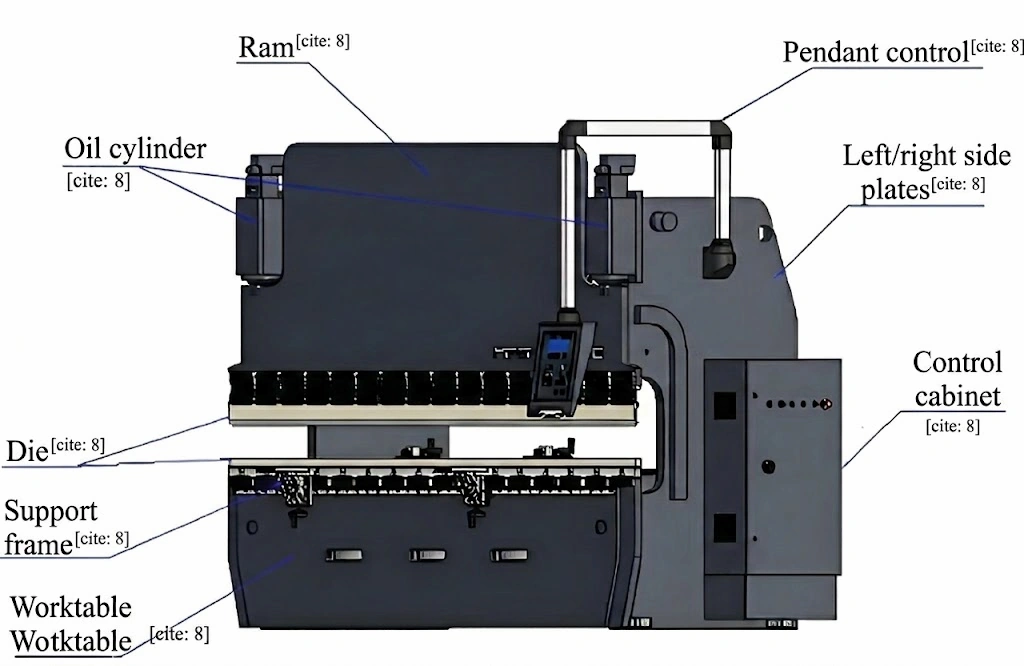
The effectiveness of a CNC press brake is deeply rooted in its key components, which work in harmony to achieve precision bending in metal fabrication. These components are crucial for delivering accurate, efficient, and reliable bending operations.
The Frame and Bed Structure
The frame and bed structure form the foundation of a CNC press brake, providing the necessary stability and support for bending operations. A robust frame ensures that the machine can withstand the stresses of repeated bending without compromising accuracy. The bed structure is designed to hold the die and provide a solid base for the bending process.
Advanced models feature a “dynamic crowning” system – multiple hydraulic or servo-driven wedges under the bed that automatically counteract frame deflection in real time.
Ram and Punch Assembly
The ram and punch assembly is a critical component that directly influences the bending accuracy and quality. The ram moves up and down, driven by the hydraulic or electric drive system, to apply force to the punch, which then presses the metal sheet into the die to achieve the desired bend. The precision of this assembly is vital for ensuring consistent bending results.
Die and Tooling Systems
The die and tooling systems are essential for determining the shape and quality of the bend. Different dies and punches are used for various bending operations, such as V-bending, U-bending, and air bending. The versatility of the tooling system allows for a wide range of bending possibilities, making the CNC press brake a flexible tool in metal fabrication.
CNC Control Unit and Interface
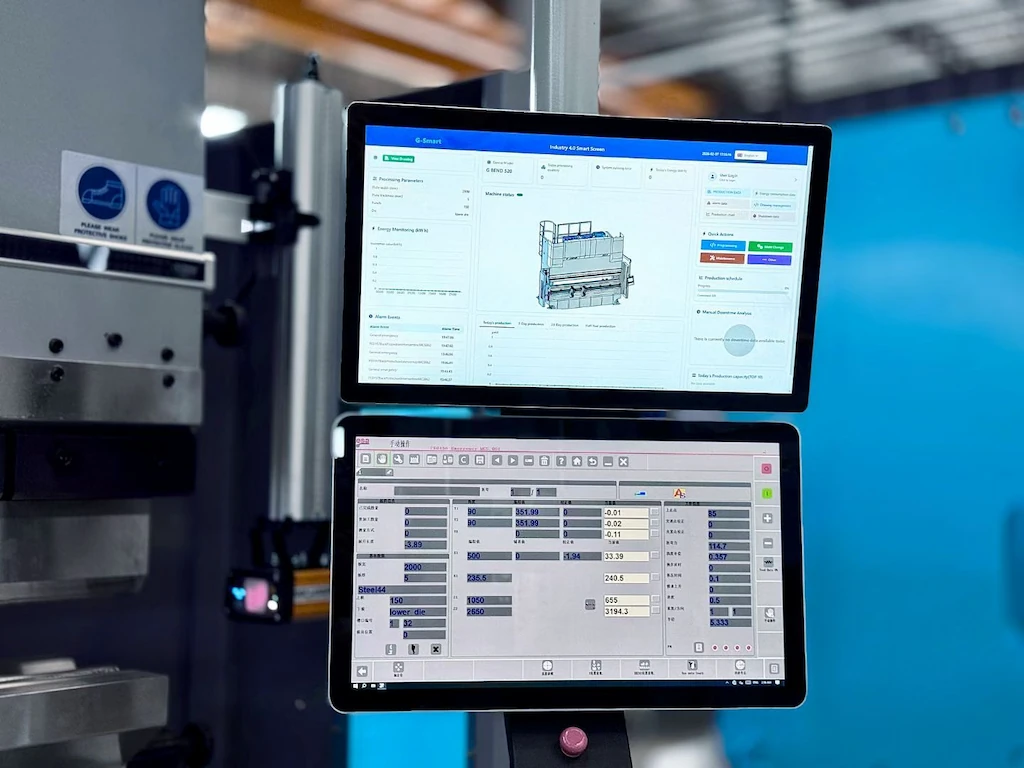
The CNC control unit and interface are the brain of the operation, enabling precise control over the bending process. The control unit processes the programmed instructions, while the interface allows operators to input commands, monitor the operation, and make adjustments as needed. Modern CNC control units often feature user-friendly interfaces and advanced software capabilities, enhancing the overall efficiency and accuracy of the bending process.
Hydraulic or Electric Drive System
The drive system is responsible for powering the ram’s movement, with hydraulic and electric systems being the most common. Hydraulic systems offer high force capabilities and are widely used in heavy-duty applications. Electric drive systems, on the other hand, provide precise control and energy efficiency, making them suitable for a variety of bending tasks. The choice between hydraulic and electric drive systems depends on the specific requirements of the application.
Component | Function | Importance |
Frame and Bed Structure | Provides stability and support | High |
Ram and Punch Assembly | Applies force for bending | High |
Die and Tooling Systems | Determines bend shape and quality | High |
CNC Control Unit and Interface | Controls bending process | High |
Hydraulic or Electric Drive System | Powers ram movement | High |
Different Types of CNC Press Brakes Available Today
Modern manufacturing can benefit from various CNC press brake types, including hydraulic, electric, and hybrid models. The choice of CNC press brake depends on the specific requirements of the manufacturing process, including the type of material being bent, the complexity of the bends, and the production volume.
The diversity in CNC press brakes allows manufacturers to select a machine that best fits their operational needs, enhancing efficiency and product quality. Understanding the characteristics of each type is crucial for making an informed decision.
Hydraulic CNC Press Brakes
Hydraulic CNC press brakes utilize hydraulic systems to generate the force needed for bending metal sheets. They are known for their high tonnage capacity and are often used in heavy-duty applications.
One of the key advantages of hydraulic CNC press brakes is their ability to handle thick and hard materials. They are commonly used in industries that require bending large or thick metal parts.
Electric CNC Press Brakes
Electric CNC press brakes, also known as servo-electric press brakes, use electric motors to drive the ram. This design offers precise control over the bending process and is energy-efficient.
Electric CNC press brakes are ideal for applications that require high precision and repeatability. They are also quieter and produce less heat compared to hydraulic models.
Hybrid CNC Press Brakes
Hybrid CNC press brakes combine the benefits of both hydraulic and electric systems. They offer the precision of electric motors and the power of hydraulic systems.
Hybrid models are versatile and can be used in a variety of applications, from precision bending to heavy-duty manufacturing processes. They represent a balanced solution for manufacturers looking for both power and precision.
In conclusion, the choice of CNC press brake type depends on the specific needs of the manufacturing process. By understanding the characteristics and advantages of hydraulic, electric, and hybrid CNC press brakes, manufacturers can make informed decisions to enhance their production capabilities.
How CNC Press Brakes Differ from Conventional Press Brakes
Unlike conventional press brakes, CNC press brakes bring a new level of automation and precision(For deeper industry insights on modern press brake evolution, see resources from the Fabricators & Manufacturers Association: The Fabricator – Understanding Modern Press Brakes.) to metal bending and shaping processes. This significant advancement is primarily due to the integration of computer numerical control, which enables more complex and accurate bending operations.
Automation and Precision Capabilities
CNC press brakes offer superior automation capabilities compared to their conventional counterparts. The use of computer controls allows for precise bending angles and dimensions, reducing the likelihood of human error. This precision is crucial in industries where metal shaping requires high accuracy.
The automation feature also enables the machine to perform complex bending operations with ease, making it an indispensable tool in modern metal fabrication.
Programming and Repeatability
One of the key advantages of CNC press brakes is their ability to be programmed for specific bending tasks. This programming allows for high repeatability, ensuring that each piece produced is consistent with the others. The ability to save and recall bending programs also significantly reduces setup times for repetitive jobs.
Operational Efficiency and Output
CNC press brakes are designed to enhance operational efficiency and increase output. With their advanced automation and precision capabilities, these machines can handle complex bending tasks at a faster rate than conventional press brakes. This results in increased productivity and reduced labor costs, making CNC press brakes a valuable asset in high-volume production environments.
Furthermore, the precision and consistency offered by CNC press brakes minimize the need for rework, further enhancing operational efficiency.
Industries and Applications Where CNC Press Brakes Shine
The versatility and precision of CNC press brakes make them a valuable asset in various manufacturing sectors. These machines are not limited to a single industry but have a broad range of applications where their capabilities can be fully utilized.
Automotive Manufacturing
In the automotive industry, CNC press brakes play a crucial role in the production of vehicle parts. They are used to bend and shape metal components such as chassis parts, body panels, and engine mounts with high precision. The ability to produce complex geometries and maintain tight tolerances is essential for ensuring the safety and performance of vehicles.
Precision and consistency are key benefits that CNC press brakes bring to automotive manufacturing, enabling the production of high-quality parts that meet stringent industry standards.
Aerospace and Aviation
The aerospace and aviation industries require components that meet extremely high standards of quality and reliability. CNC press brakes are used to fabricate parts such as aircraft engine mounts, fuselage components, and other structural elements. The precision and flexibility of CNC press brakes are critical in this sector, where the margin for error is minimal.
Construction and Architectural Metalwork
CNC press brakes are also widely used in the construction and architectural metalwork industries for producing components such as roofing, cladding, and decorative features. The ability to accurately bend and shape metal allows for the creation of complex architectural designs and ensures that components fit together perfectly.
The use of CNC press brakes in these industries enhances the efficiency and accuracy of the manufacturing process, allowing for faster project completion and reduced labor costs.
Electronics and Appliance Manufacturing
In the electronics and appliance manufacturing sectors, CNC press brakes are utilized for producing enclosures, cabinets, and other metal components. The precision offered by these machines is crucial for ensuring that parts fit together correctly and that the final products are of high quality.
CNC press brakes contribute to the streamlining of production processes in these industries, enabling manufacturers to meet demand while maintaining high standards of quality.
Major Advantages of Using CNC Press Brakes
CNC press brakes have emerged as a crucial tool in modern manufacturing, providing unparalleled precision and flexibility. The integration of computer numerical control into press brakes has significantly enhanced their capabilities, making them an indispensable asset for various industries.
Enhanced Precision and Accuracy
One of the primary advantages of CNC press brakes is their ability to deliver high precision and accuracy in metal bending. The computer-controlled system ensures that every bend is made with exacting specifications, reducing the likelihood of human error. This precision is crucial in industries where complex geometries and tight tolerances are required.
The use of advanced CNC technology allows for the production of parts with consistent accuracy, which is vital for applications where precision is paramount. For instance, in the aerospace industry, components must meet stringent standards, and CNC press brakes are instrumental in achieving these requirements.
Increased Production Speed and Efficiency
CNC press brakes significantly boost production speed and efficiency by automating the bending process. The ability to program and store bending sequences enables rapid production runs with minimal setup times. This efficiency is particularly beneficial for high-volume production environments where throughput and productivity are critical.
Moreover, the automation provided by CNC press brakes reduces the need for manual intervention, allowing operators to focus on other tasks. This not only increases overall productivity but also enhances workplace safety.
Reduced Labor Costs and Human Error
By automating the bending process, CNC press brakes minimize labor costs and reduce the potential for human error. The precision and consistency achieved through CNC control eliminate the variability associated with manual bending operations. This reduction in errors leads to less material waste and lower production costs.
Furthermore, the decreased reliance on skilled labor for bending operations allows companies to allocate their workforce more effectively, optimizing their production processes.
Flexibility in Design and Production Runs
CNC press brakes offer flexibility in both design and production runs, enabling manufacturers to adapt quickly to changing production requirements. The ease of programming and modifying bending sequences allows for rapid prototyping and production of complex parts.
This flexibility is particularly advantageous in industries with diverse product lines or those that require frequent design changes. The ability to adjust production runs quickly in response to market demands is a significant competitive advantage.
User Interface: Intuitive touch-screen interfaces reduce operator errors. | Description | Benefits |
Enhanced Precision and Accuracy | Computer-controlled bending for exact specifications | Reduced human error, consistent quality |
Increased Production Speed and Efficiency | Automated bending process with minimal setup times | Higher throughput, improved productivity |
Reduced Labor Costs and Human Error | Minimized manual intervention and error reduction | Lower labor costs, less material waste |
Flexibility in Design and Production Runs | Easy programming and modification of bending sequences | Rapid prototyping, adaptability to changing demands |
Technical Specifications You Should Know About
To achieve precision in metal shaping, it’s essential to comprehend the technical specifications that define a CNC press brake’s capabilities. These specifications are crucial for determining the machine’s suitability for specific metal forming tasks.
Tonnage and Bending Capacity
The tonnage of a CNC press brake refers to the maximum force it can exert on the metal being bent. This is a critical factor in metal shaping as it determines the thickness and type of metal the machine can handle. A higher tonnage indicates a more powerful machine capable of bending thicker or harder metals.
Quick tonnage estimation for air bending mild steel: Tonnage ≈ (Thickness² × Length) / Die Opening Width × 0.6. Example: 3 mm × 3 m sheet with 24 mm die → ~68 tons; always select 20-30% higher capacity for safety.
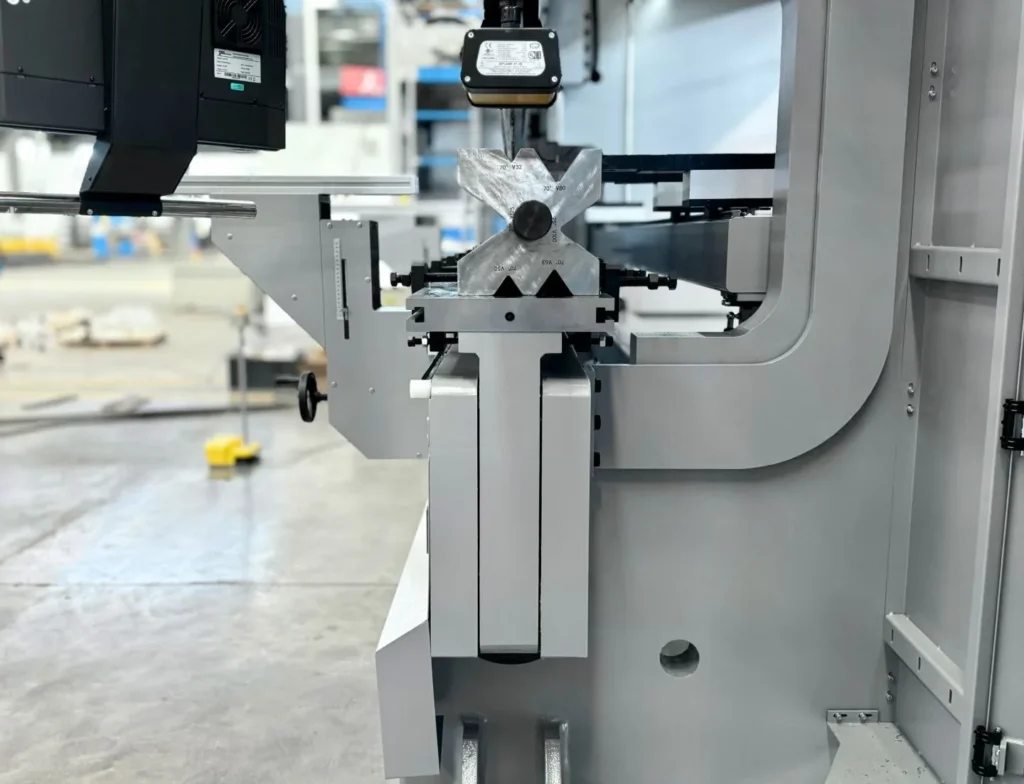
Bending capacity, on the other hand, is related to the machine’s ability to bend metal to a certain angle or radius. Understanding both tonnage and bending capacity is vital for selecting the right CNC press brake for your metal forming needs.(Please Reference:CAMT bending capacity calculator )
Bending Length and Throat Depth
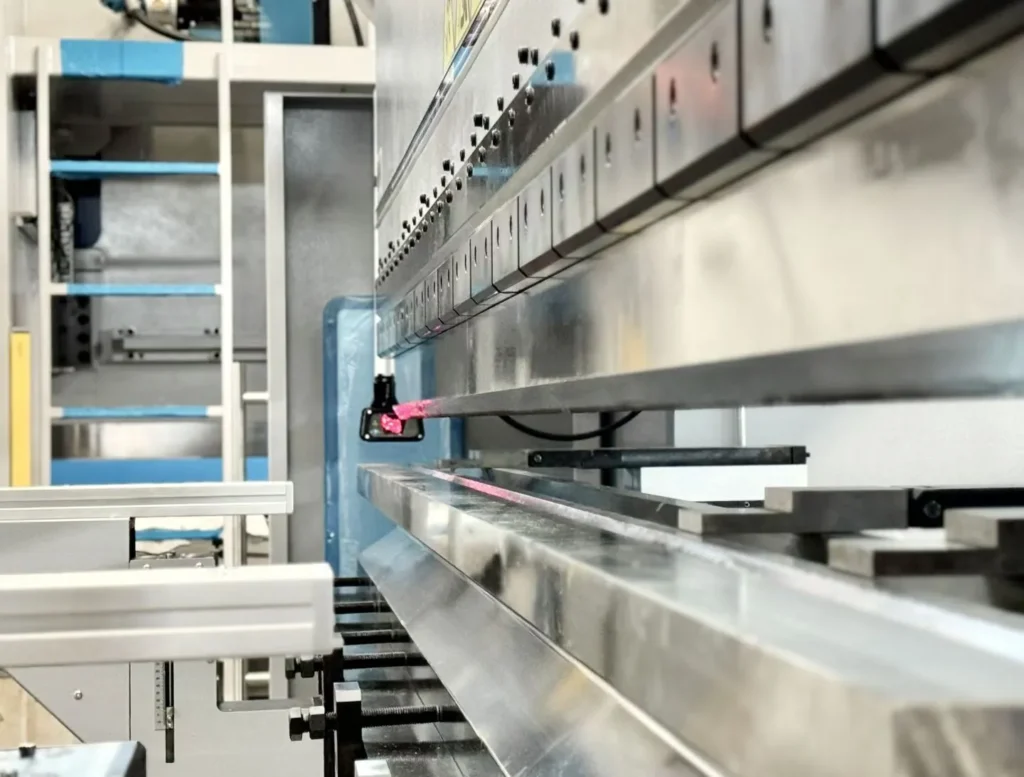
Bending length is another important specification, as it defines the maximum length of metal that can be bent in a single operation. This is particularly relevant for applications requiring the bending of long metal sheets or profiles.
Throat depth, which is the distance between the frame and the ram of the press brake, is also significant. It determines the maximum depth of the metal workpiece that can be accommodated. Both bending length and throat depth are critical for ensuring that the CNC press brake can handle the size and complexity of the metal shaping tasks at hand.
Back Gauge Systems and Positioning Accuracy
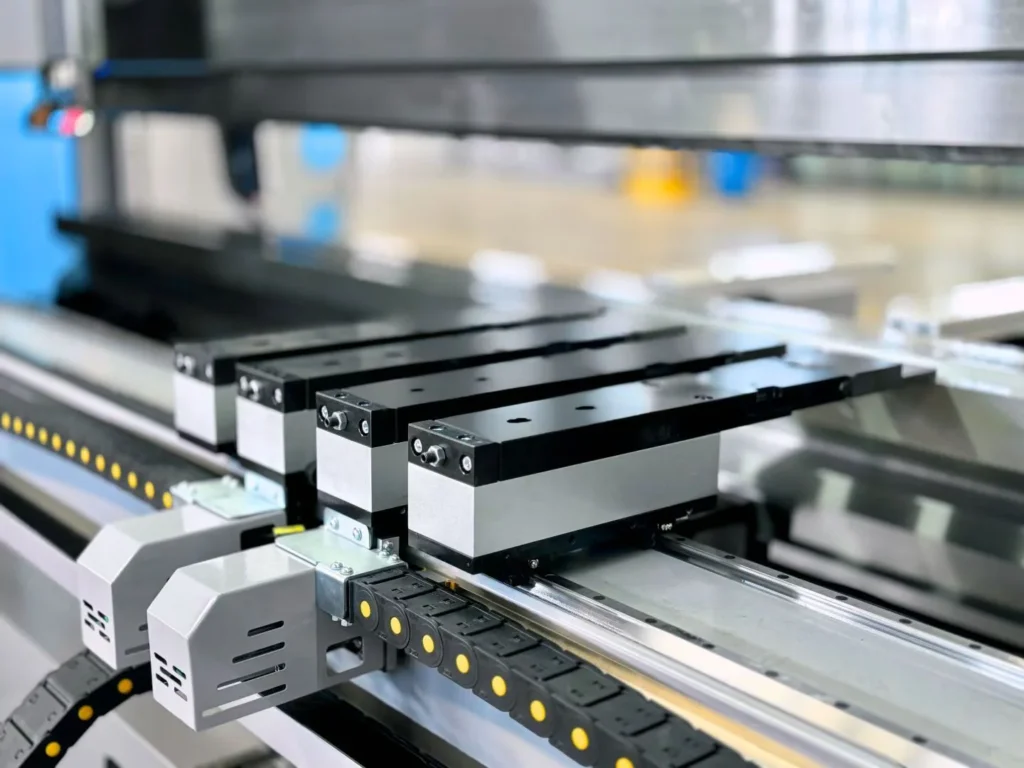
The back gauge system is a critical component of a CNC press brake, as it ensures the accurate positioning of the metal workpiece during the bending process. Advanced back gauge systems can significantly enhance the precision and repeatability of metal forming operations.
Positioning accuracy is directly related to the back gauge system’s capability. High positioning accuracy ensures that bends are made to the exact specifications required, reducing errors and improving overall product quality.
Accuracy Standards and Tolerance Levels
CNC press brakes are built to adhere to specific accuracy standards and tolerance levels. These standards dictate the acceptable limits of deviation from the specified dimensions or angles. Understanding these standards is crucial for ensuring that the final products meet the required specifications.
Specification | Description | Importance in Metal Forming |
Tonnage | Maximum force the press brake can exert | Determines the thickness and type of metal that can be bent |
Choosing the right sheet metal press brake involves weighing hydraulic vs. servo models based on your project needs—material thickness, precision, and production volume. Hydraulic press brakes offer cost-effective power for thick sheets, while servo models excel in precision and energy efficiency for high-tech applications. Consider worktable size, mold compatibility, control systems, maintenance, and manufacturer support to ensure a smart investment. With trends like IoT and hybrid models shaping the future, selecting a press brake that aligns with your goals will boost productivity and quality. | Ability to bend metal to a certain angle or radius | Critical for achieving the desired bend |
Bending Length | Maximum length of metal that can be bent | Essential for handling long metal sheets or profiles |
Throat Depth | Distance between the frame and the ram | Determines the maximum depth of the workpiece |
By understanding these technical specifications, manufacturers can select the most appropriate CNC press brake for their metal shaping and forming needs, ensuring high-quality products and efficient production processes.
Safety Features and Maintenance Best Practices
Ensuring safety and maintaining efficiency are crucial aspects of operating a CNC press brake in modern manufacturing. The CNC control system plays a significant role in enhancing both safety and productivity.
The manufacturing process involving CNC press brakes requires careful consideration of various safety features to prevent accidents and ensure a smooth operation. One of the key aspects is the implementation of advanced safety measures.
Safety Guards and Light Curtain Systems
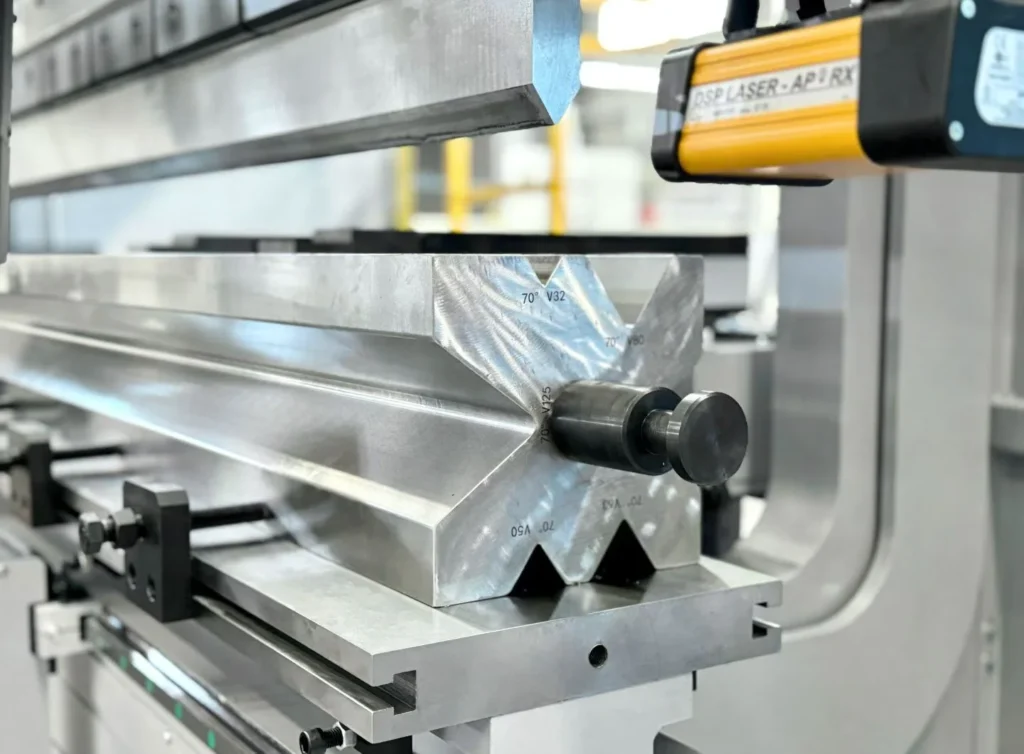
Safety guards and light curtain systems are essential components designed to protect operators(For official U.S. regulatory guidance on press brake safeguarding, refer to the OSHA eTool: Powered Press Brakes.) from potential hazards. These systems use infrared or laser technology to detect the presence of individuals within the machine’s operating area, automatically halting the operation if an intrusion is detected.
The effectiveness of these safety systems depends on their proper installation, regular inspection, and maintenance. It is crucial to ensure that these systems are integrated into the CNC press brake’s control system to guarantee seamless operation.
Emergency Stop Systems and Protocols
Emergency stop systems are critical for quickly halting the machine in case of an unexpected event or hazard. These systems must be easily accessible and clearly marked to ensure that operators can activate them promptly when needed.
Developing and enforcing strict emergency stop protocols is also vital. This includes training operators on the proper procedures to follow in emergency situations, ensuring a swift and effective response.
Regular Maintenance Requirements
Regular maintenance is fundamental to the longevity and performance of CNC press brakes. This includes routine checks on mechanical components, hydraulic systems, and the CNC control unit to identify and address potential issues before they become major problems.
Maintenance Task | Frequency | Importance Level |
Check hydraulic fluid levels | Daily | High |
Inspect safety guards | Weekly | High |
Update CNC software | Quarterly | Medium |
Lubricate moving parts | Monthly | Medium |
Operator Training and Safety Best Practices
Operator training is a critical aspect of ensuring the safe and efficient operation of CNC press brakes. Comprehensive training programs should cover the machine’s operational aspects, safety features, and emergency procedures.
Best practices for operator training include hands-on experience, regular refresher courses, and emphasizing the importance of adhering to safety protocols. By prioritizing operator training, manufacturers can significantly reduce the risk of accidents and improve overall productivity in the manufacturing process.
Conclusion
CNC press brakes have revolutionized the metal fabrication industry by providing precision, efficiency, and flexibility in bending and shaping metal. Understanding the working principle, key components, and types of CNC press brakes is crucial for manufacturers to optimize their production processes.
The significance of CNC press brakes in metal fabrication cannot be overstated, as they enable the creation of complex geometries and precise bends with minimal human error. As the demand for precision-engineered metal components continues to grow, the role of press brake machines in meeting this demand becomes increasingly important.
By investing in a CNC press brake, manufacturers can enhance their production capabilities, reduce labor costs, and improve product quality. As technology advances, the capabilities of CNC press brakes will continue to expand, further solidifying their position as a cornerstone in modern metal fabrication.
FAQ
What exactly is a CNC press brake and how does it function?
A CNC press brake is a highly advanced piece of machinery used in metal fabrication to bend sheet metal with extreme precision. It functions by using a computer numerical control system to manage the ram and punch assembly, which applies force to a piece of metal positioned over a die. This process creates controlled metal deformation to achieve the exact shape required for your project.
What are the key components that make these machines so accurate?
The accuracy of a CNC press brake comes from the integration of several high-tech parts. These include the rigid frame and bed structure, the CNC control unit and interface, and sophisticated back gauge systems. Brands like Amada and Trumpf utilize these components to ensure perfect positioning accuracy and repeatability during every single cycle.
How do hydraulic, electric, and hybrid CNC press brakes differ?
Hydraulic CNC press brakes are the traditional workhorses, offering high tonnage and bending capacity for heavy-duty tasks. Electric CNC press brakes are prized for their production speed and energy efficiency. Hybrid CNC press brakes, such as those developed by Bystronic, combine hydraulic power with electric servo drives to offer the best of both worlds: high power with lower energy consumption and better operational efficiency.
Why is a CNC model better than a conventional press brake?
The primary advantage lies in automation and precision capabilities. Unlike conventional brakes that require manual setup for every bend, a CNC machine allows for complex programming that can be saved and reused. This leads to enhanced precision and accuracy, reduced labor costs, and a significant decrease in human error during the bending process.
In which industries will you typically find CNC press brakes being used?
These machines are essential in Automotive Manufacturing and Aerospace, where tolerance levels are incredibly tight. They also “shine” in Construction and Architectural Metalwork, as well as in Electronics and Appliance Manufacturing, where flexibility in design is necessary to produce a wide variety of small, intricate parts.
What technical specifications are most important for metal shaping?
When evaluating a machine, you should look closely at the tonnage, bending length, and throat depth. These factors determine the size and thickness of the metal you can work with. Additionally, understanding the accuracy standards of the back gauge systems is vital for maintaining quality control in production runs.
What safety features should I look for to protect my operators?
What safety features should I look for to protect my operators?
How can I ensure my CNC press brake stays in peak condition?
Following regular maintenance requirements is the best way to extend the life of your equipment. This includes inspecting the die and tooling systems for wear, checking the hydraulic or electric drive system for efficiency, and keeping the CNC control unit software updated. Consistent care ensures the machine maintains its accuracy and precision over the long term.

Metalworking specialist with 12 years of experience in sheet metal fabrication and press brake applications, certified by ASME.