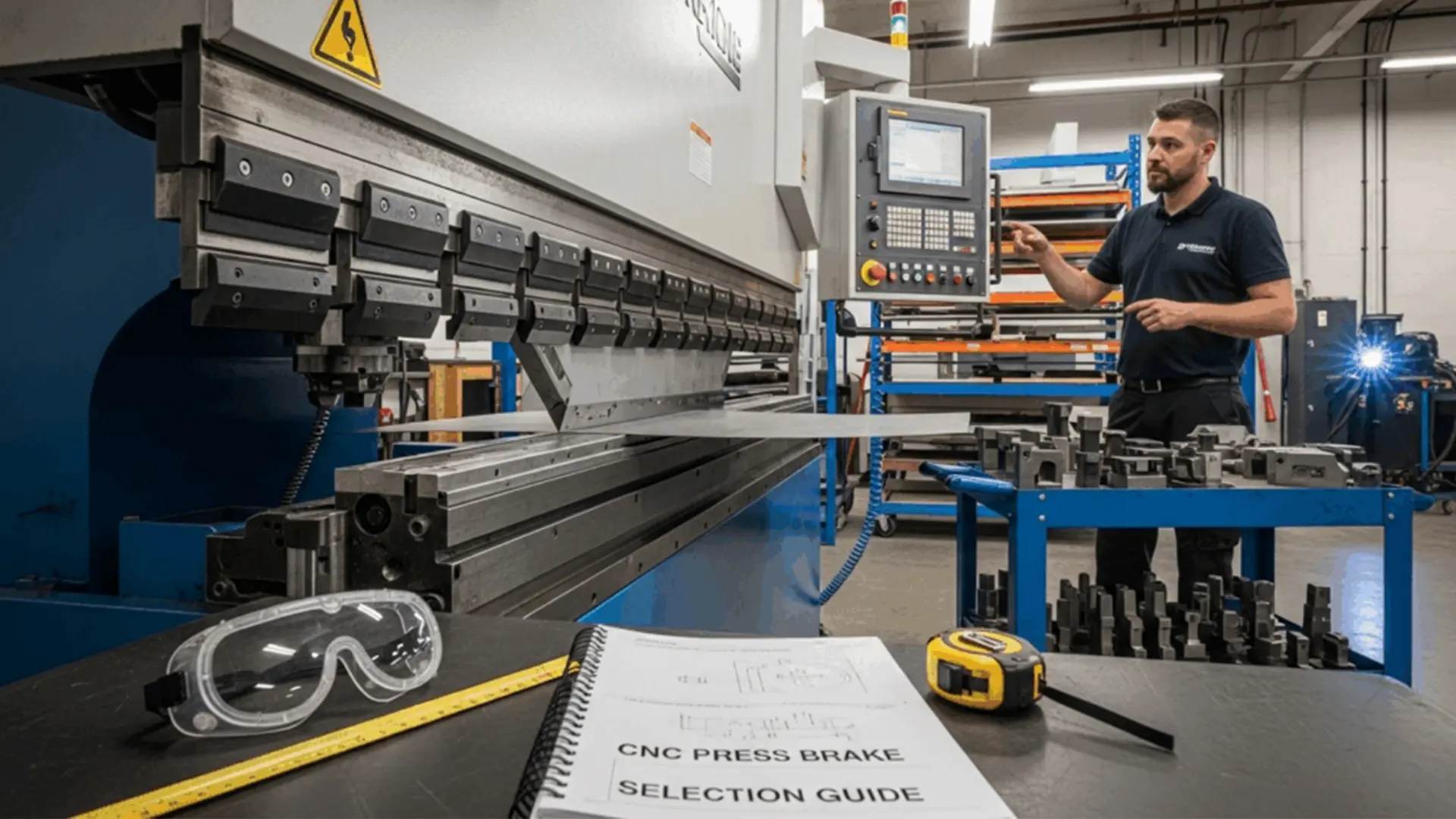







Как выбрать правильный листогибочный пресс для вашей мастерской
Выбор правильного листогибочного пресса — одно из самых важных решений для любой металлообрабатывающей мастерской. Он напрямую влияет на ежедневную производительность, качество деталей, безопасность оператора и долгосрочную прибыльность. В 2026 году в отрасли произошли значительные успехи в сервоэлектрических и гибридных технологиях, которые обеспечивают до 70% экономии энергии, более быстрое время цикла и непревзойденную точность. Согласно данным Министерства энергетики США, energy-efficient industrial equipment can significantly reduce long-term operational costs in manufacturing environments.
Whether you operate a small job shop or a high-volume production facility, this comprehensive guide provides a complete step-by-step framework to help you make an informed purchase.
This expert resource covers the press brake tonnage calculation formula, hydraulic vs electric vs hybrid comparisons, backgauge systems, automation options, tooling choices, total cost of ownership, and the latest 2026 safety standards. By the end, you will have clear, actionable recommendations tailored to your specific needs.
Ключевые выводы на 2026 год
- Используйте обновленную формулу тоннажа и всегда добавляйте 20% запас прочности для защиты ваших инвестиций.
- Электрические и гибридные сервоэлектрические листогибочные прессы теперь предлагают на 50-70% более низкие эксплуатационные расходы, чем традиционные гидравлические модели.
- Длина станины и оси заднего упора должны соответствовать размерам ваших наиболее распространенных заготовок и сложности деталей.
- Уровни автоматизации (полуавтоматические или полностью роботизированные) обеспечивают самый быстрый возврат инвестиций при производстве 50 или более одинаковых деталей за партию.
- Сосредоточьтесь на общей стоимости владения (TCO), а не на цене по прейскуранту – это может сэкономить вам десятки тысяч долларов за пять лет.
Понимание листогибочных прессов и их роли в металлообработке в 2026 году
Press brakes are the backbone of precision sheet metal bending across industries including construction, automotive, aerospace, HVAC, and custom fabrication. They transform flat metal sheets into complex three-dimensional parts with high accuracy and repeatability.
In 2026, the technology landscape has evolved significantly. Mechanical presses remain relevant for very high-speed, simple high-volume runs, but most modern workshops are moving toward hydraulic, electric, or hybrid solutions. Hydraulic models still dominate when extreme tonnage is required for thick plate work. Electric and servo-electric presses excel in precision, speed, and energy efficiency.
Industry organizations such as Fabricators & Manufacturers Association подчеркивают растущее внедрение сервоэлектрических систем благодаря их эффективности и сниженным требованиям к обслуживанию. Гибридные сервоэлектрические системы сочетают в себе лучшее из обоих миров – полную мощность формовки с низким энергопотреблением и точным управлением.
Основные типы листогибочных прессов, доступные в 2026 году
- Механические листогибочные прессы: Быстрое время цикла и подходят для повторяющихся простых гибов в устаревших операциях.
- Hydraulic Press Brakes: Highest tonnage capacity (up to 1000+ tons) and ideal for heavy materials like thick plate or high-strength alloys.
- Electric / Servo-Electric Press Brakes: Excellent precision (±0.001″ repeatability), rapid setup, and 50-70% energy savings compared to hydraulic.
- Hybrid Servo-Electric Press Brakes: Balance of high power and efficiency – the most popular choice for most workshops in 2026.
Not sure which technology best fits your shop? Get a Personalized Press Brake Recommendation in 60 Seconds.
For a deeper dive into the real-world performance differences between hydraulic and electric press brakes, we recommend reading: Hydraulic vs Electric Press Brake: Key Differences Explained. This article provides a detailed breakdown of power sources, energy consumption, precision, maintenance, and ideal applications to help you determine which technology best suits your workshop needs.
Assessing Your Workshop’s Current and Future Production Needs
A successful press brake purchase starts with a thorough assessment of your current operations and projected growth over the next three to five years. Many workshops make the mistake of buying based only on today’s needs and quickly outgrow their machine.
Evaluating Production Volume Requirements
Begin by documenting your daily, weekly, and monthly output. Consider the number of shifts your workshop runs, the average size and complexity of parts produced, and any seasonal variations in demand.
Analyzing the Range of Materials You Process
Material type and thickness are critical factors. Mild steel, 304/316 stainless steel, aluminum, and high-strength alloys like AR400 each require different tonnage and tooling approaches. Standards referenced by American Welding Society provide guidelines for handling different material strengths and welding-related properties, which also influence bending performance.
Press Brake Tonnage Calculator 2026: Exact Formula + Real Examples
Correct tonnage calculation prevents machine overload, ensures part accuracy, and extends tool life. The standard 2026 formula is:
Tonnage = (Material thickness² × Material width × Material factor) ÷ Die opening
Always add a 20% safety margin to account for material variations, die wear, and unexpected production demands.
2026 Tonnage Reference Table
| Trial Bend Verification: | CNC press brakes with automated tool changers and robotic arms deliver ±0.05 mm precision, reducing human error by 80%. They are ideal for high-volume or complex parts. | Material Factor | Tonnage per Meter (approx.) | Recommended Safety Margin |
|---|---|---|---|---|
| 1 | Mild Steel | 0.8 | 30 | 20% |
| 2 | Mild Steel | 0.8 | 120 | 20% |
| 3 | 304 Stainless Steel | 1.4 | 250 | 20% |
| 6 | AR400 High-Strength Plate | 2.1 | 850 | 20-25% |
Real-World 2026 Examples:
- 1.5 mm 304 Stainless Steel, 2.5 m bend length, 30 mm V-die opening → Base tonnage ≈ 187.5 tons → With 20% safety margin = 225-ton press brake minimum.
- 4 mm Mild Steel, 3 m bend length, 50 mm V-die → Base tonnage ≈ 192 tons → With safety margin = 230-ton recommendation.
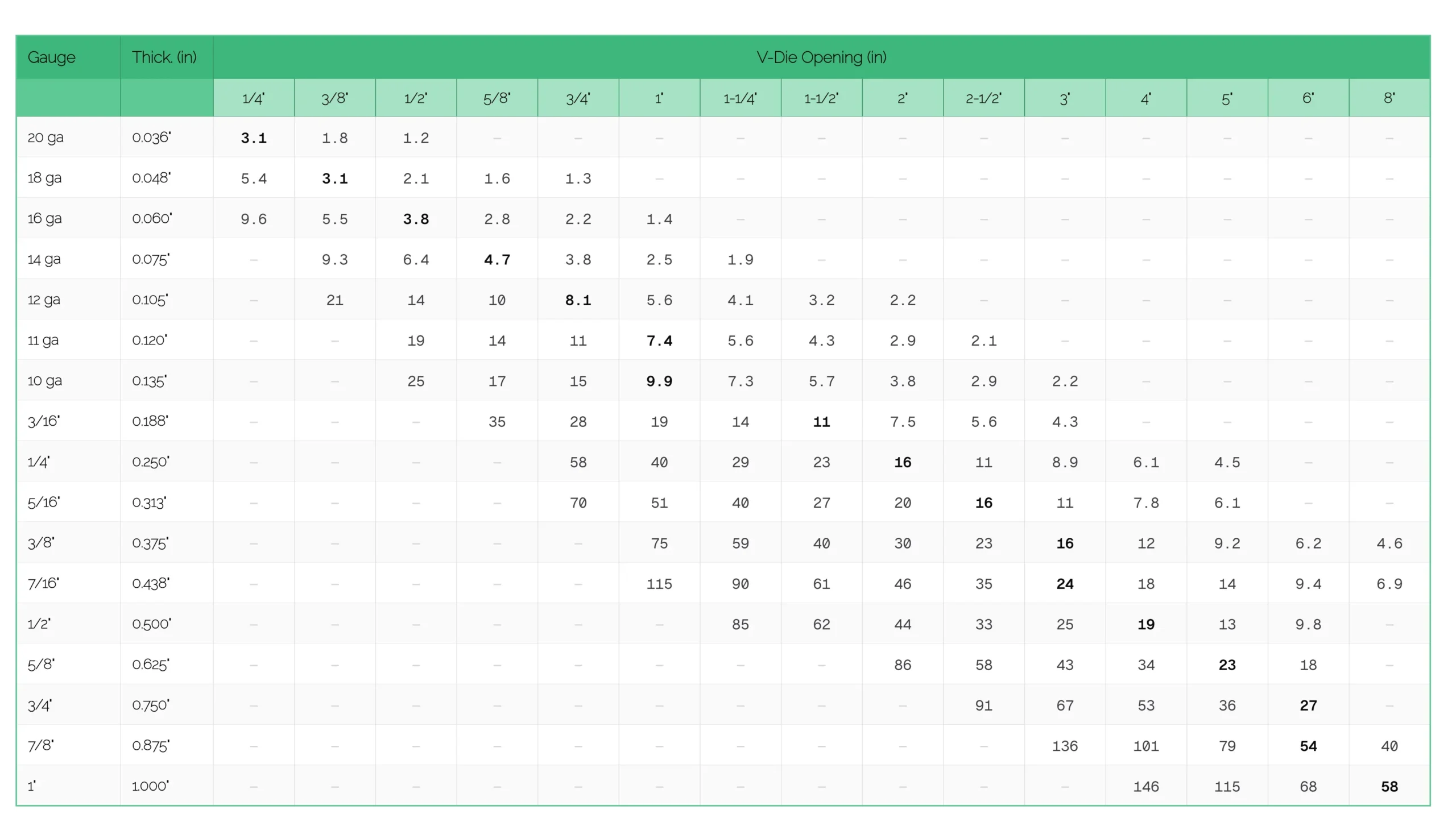
The tonnage formula and examples above give you a solid starting point. However, choosing the right machine tonnage in practice — such as deciding between a 100-ton and 160-ton press brake — also depends on production volume, material variations, and long-term efficiency. For practical guidance on this decision, check out: 100 Ton vs 160 Ton Press Brake: Which One Do You Need. It will help you apply the calculations to actual machine selection.
Free Resource: Use Our Online Press Brake Tonnage Calculator.
Determining the Optimal Press Brake Length for Your Work
Press brake bed length must accommodate your largest workpiece plus extra space for tooling setup and stage bending. Common lengths in 2026 include 8 ft (2.5 m), 10 ft (3 m), and 13 ft (4 m).
Hydraulic vs Electric vs Hybrid Press Brake 2026 Comparison
| Аспект | Гидравлический | Electric / Servo-Electric | Hybrid Servo-Electric |
|---|---|---|---|
| Power / Tonnage | Highest (up to 1000+ tons) | Medium to high | High power with fine control |
| Energy Consumption | High | 50-70% lower than hydraulic | 40-60% lower |
| Maintenance | Regular hydraulic fluid changes | Very minimal | Low |
| Speed & Repeatability | Good | Excellent (±0.001″) | Best overall |
Step-by-Step Press Brake Selection Process (2026)
- Document all bending requirements including materials, thicknesses, angles, and tolerances.
- Calculate minimum tonnage and bed length using the formula and examples above.
- Evaluate technology options (hydraulic, electric, or hybrid).
- Decide on the appropriate automation level for your production volume.
- Compare total cost of ownership against your available budget.
Understanding Backgauge Systems and Axis Configuration
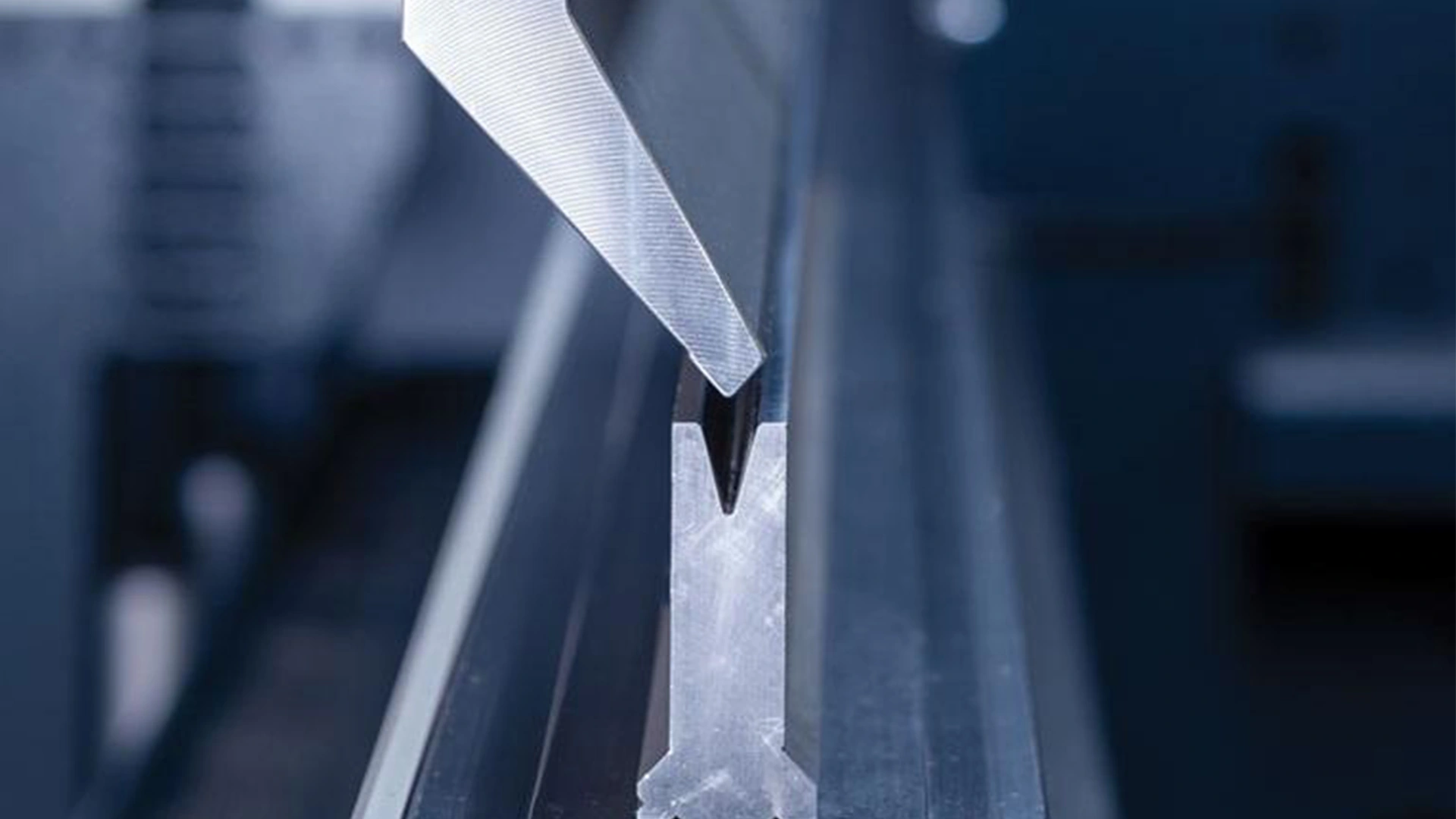
The backgauge system positions the workpiece accurately for consistent bends.
- 2-Axis (X and R): Suitable for basic bends and lower budgets.
- 4-Axis or 6-Axis: Essential for complex shapes and higher productivity. Most 2026 shops benefit from at least 4 axes.
Selecting the Appropriate Automation Level for Your Operation
Automation can transform productivity but must match your workflow.
- Manual Operation: Ideal for prototypes and low volume.
- Semi-Automated: Backgauges with automatic tool changers offer good balance.
- Fully Robotic Cells: Excellent when producing 50+ identical parts daily.
Tooling Compatibility, Availability, and Long-Term Costs
Popular Tooling Systems in 2026:
- American Style: Lower upfront cost but higher replacement frequency.
- European Style: Superior precision and durability.
- Wila Style: Excellent versatility and quick-change features.
Setting Your Budget Range and Understanding Total Cost of Ownership
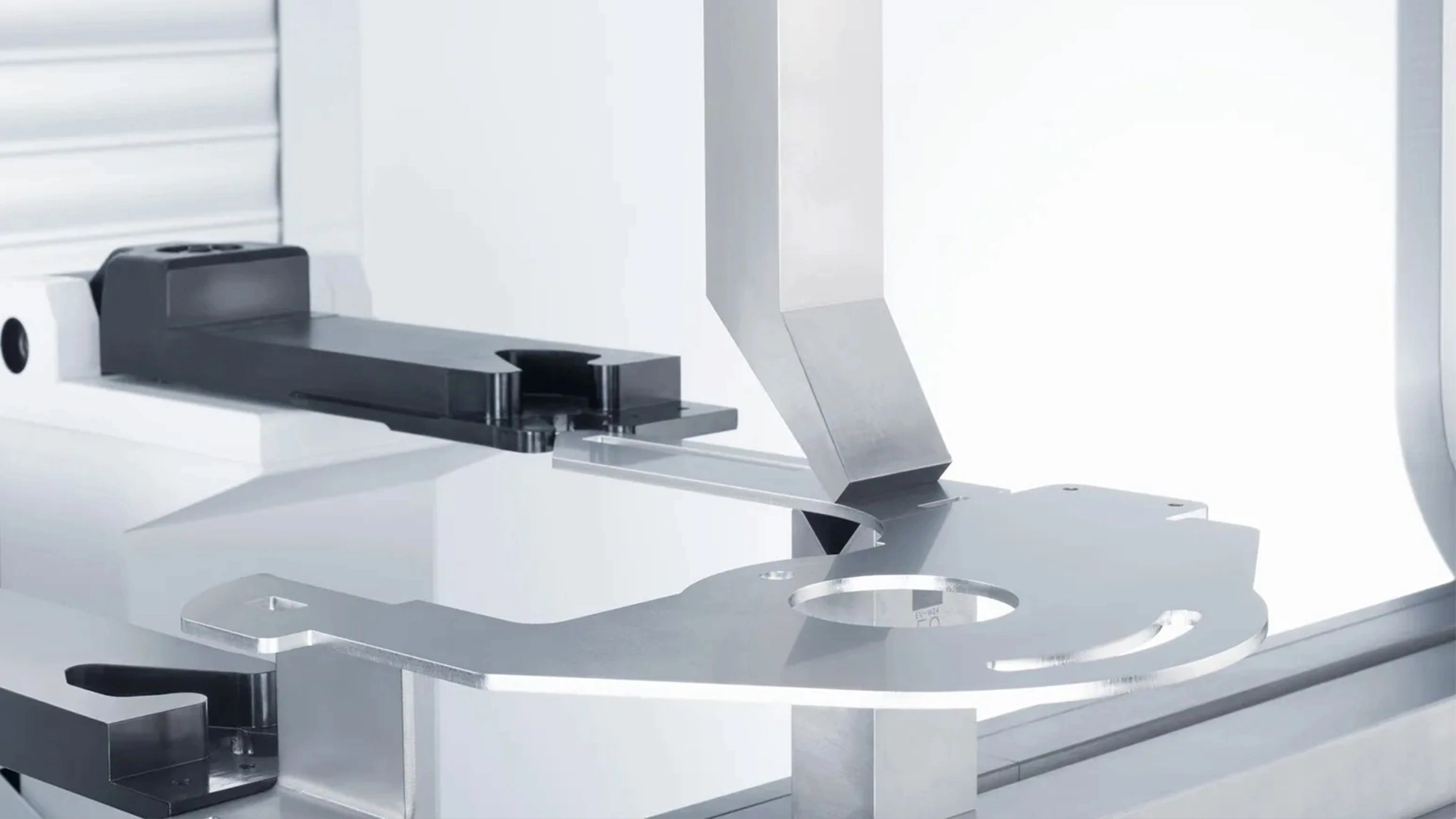
| Precision machining in industrial production. | Entry-Level (50-100 tons) | Mid-Range (100-200 tons) | Heavy-Duty (200+ tons) |
|---|---|---|---|
| Typical Price (2026) | $22,000 – $55,000 | $55,000 – $160,000 | $160,000 – $550,000+ |
| 5-Year TCO Savings (Electric vs Hydraulic) | Up to $85,000 | ||
Evaluating Press Brake Manufacturers and Brand Reputation in 2026
Premium Options: Trumpf, Bystronic, Prima Power, LVD Strippit.
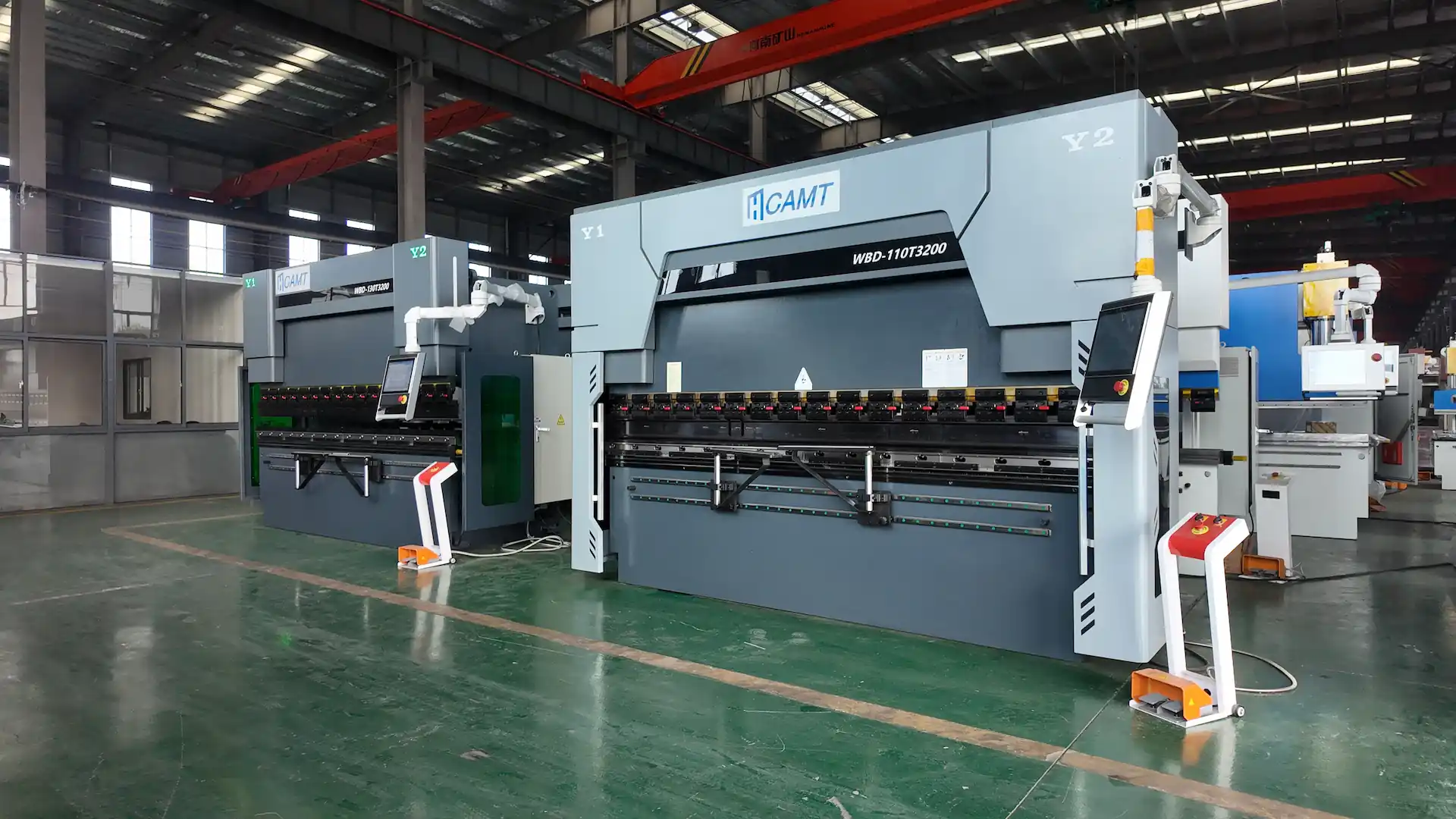
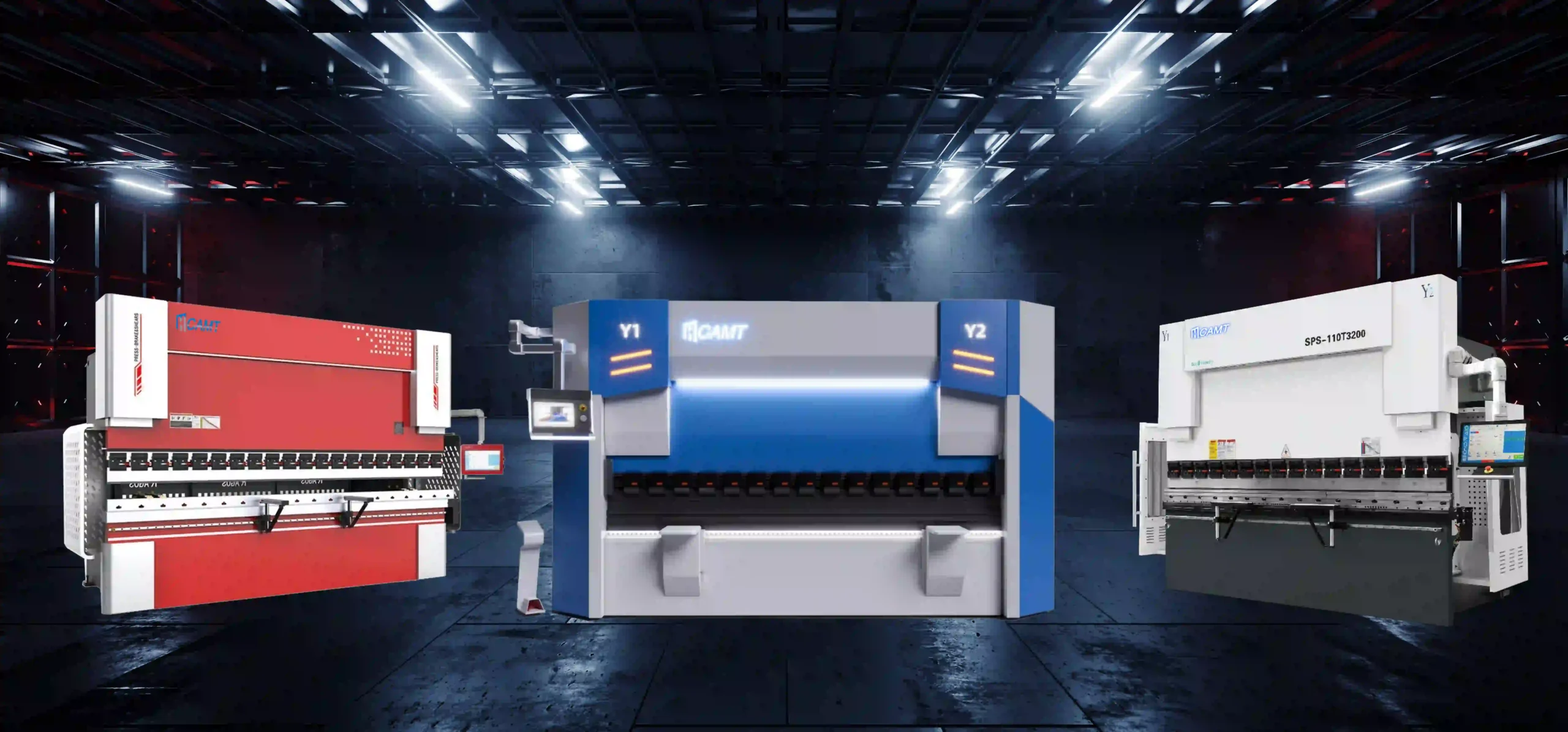
Best Value: CAMT.
Common Mistakes to Avoid When Selecting a Press Brake
- Underestimating required tonnage and adding insufficient safety margin.
- Choosing based solely on initial price instead of total cost of ownership.
- Ignoring future expansion and automation needs.
- Overlooking manufacturer service and parts availability.
FAQ – Press Brake Selection in 2026
How do we accurately determine the correct tonnage for our specific bending applications?
Use the formula Tonnage = (thickness² × width × material factor) ÷ die opening and add 20% safety margin.
Should we invest in hydraulic, electric, or hybrid press brake in 2026?
Electric and hybrid models are usually the best choice for most workshops due to significantly lower operating costs and higher precision.