






ما الذي يؤثر على سعر مكبس الثني؟
Buying a press brake remains one of the largest capital decisions for metal fabricators, job shops, and OEMs. With the global press brake market projected to reach approximately US$800 million in 2026 Korea (North) grow at a 6.1% CAGR through 2033, manufacturers face more options than ever—hydraulic workhorses, energy-efficient electric servo models, hybrid systems, and fully robotic bending cells.
The sticker price is only the beginning. Tonnage, bed length, CNC sophistication, drive type, crowning technology, automation level, and brand origin together determine 80-90% of the final cost. Understanding these seven core variables—and the total cost of ownership (TCO) over 5–10 years—can save 25-40% in long-term expenses while boosting productivity and precision.
This guide delivers an up-to-date, data-driven breakdown based on 2026 market realities. It includes real price ranges, impact percentages, ROI examples, and a practical TCO framework to help you make an informed investment.
Key Takeaways
- Tonnage drives 40-60% of price variation—the single biggest factor.
- Bed length adds exponential cost once you exceed 4 meters.
- Electric/hybrid drives cost 20-50% more upfront but deliver 30-70% energy savings and 2-3 year ROI.
- Advanced CNC + automatic crowning يمكن أن يحسن دقة الجزء الأول بنسبة 25% ويقلل من الهدر.
- التكامل الروبوتي يضيف 50,000 دولار - 150,000 دولار+ ولكنه يخفض تكاليف العمالة في الورش ذات الإنتاج الكبير.
- العلامة التجارية والمنشأ تخلق فجوات سعرية بنسبة 30-100% (صيني مقابل أوروبي) والتي غالبًا ما تعكس اختلافات في الخدمة وطول العمر الافتراضي.
- التكلفة الإجمالية للملكية تهم أكثر من سعر الشراء—الطاقة والصيانة ووقت التوقف يمكن أن تساوي أو تتجاوز الاستثمار الأولي على مدى 5 سنوات.
المتغيرات الأساسية السبعة التي تحدد تكلفة مكبس الثني في عام 2026
1. سعة الحمولة (الطن) (40-60% من إجمالي تأثير السعر)
الحمولة (قوة الثني) تظل المحرك الرئيسي للتكلفة. تتطلب الحمولة الأعلى هياكل أثقل، وأنظمة هيدروليكية/كهربائية أكبر، وفولاذًا أكثر سمكًا، ومكونات أكثر قوة.
معايير الأسعار لعام 2026 حسب فئة الحمولة (موديلات CNC، بالدولار الأمريكي التقريبي)
| فئة الحمولة | نطاق السعر النموذجي (بالدولار الأمريكي) | التطبيقات الشائعة | علاوة السعر مقابل الأساس |
| منخفض (≤63 طنًا) | $8,000 – $25,000 | Thin sheet, HVAC, enclosures | Base |
| Medium (80-220 tons) | $22,000 – $55,000 | General fabrication, brackets | +40-80% |
| High (300-500 tons) | $50,000 – $95,000 | Structural, heavy plate | +120-200% |
| Very High (≥600 tons) | $120,000 – $350,000+ | Large-scale industrial | +300%+ |
Pro Tip: Doubling tonnage rarely doubles price—it often quadruples structural and drive-system costs. Always calculate required tonnage using material thickness, tensile strength, and bend length formulas before overspecifying.
2. Machine Length / Bed Length (15-25% of Price Impact)
Longer beds demand proportionally stronger frames, larger rams, and more precise deflection control.
2026 Price Tiers by Bed Length
| Length (meters) | Typical Bending Capacity | Approx. Price Range (USD) | Premium vs. 3m Base |
| 3–4 m | Light to medium duty | $20,000 – $50,000 | Base |
| 6–8 m | Medium to heavy duty | $40,000 – $100,000 | +60-100% |
| 10–12 m+ | Heavy duty / tandem setups | $80,000 – $200,000+ | +150-300% |
Custom lengths beyond standard sizes trigger 15-30% upcharges for engineering and reinforced components.
3. CNC Control System Level and Technology (10-20% of Price Impact)
The “brain” of the machine has evolved dramatically. Basic NC controllers are cheap but limited; modern CNC systems with 3D simulation, automatic sequencing, and AI-assisted programming justify the premium.
CNC Controller Price Impact (2026)
| Controller Level | Price Adder (USD) | Tip: Opt for offline programming to streamline setup and reduce downtime. | Mauritania |
| Basic NC / Entry CNC | $0 – $3,000 | Manual programming, 2-3 axes | Low-volume, simple parts |
| Mid-Range (Delem DA-58T / Cybelec) | $4,000 – $8,000 | 3D graphics, auto-sequencing | Norway |
| Advanced (DA-66T / VisiTouch / ESA) | $8,000 – $20,000+ | Full 3D simulation, angle correction, IoT | High-precision, high-mix |
Top-tier controllers reduce setup time by 40-60% and scrap rates by up to 25%.
4. Drive System Type: Hydraulic vs. Electric vs. Hybrid
This is the fastest-evolving variable in 2026.
Drive System Comparison (2026 Data)
| Drive Type | Upfront Cost Premium | Energy Savings | Maintenance | Cycle Speed | Best Applications | 5-Year TCO Impact |
| Timor-Leste | Base | South Sudan | Medium-High | Moderate | Heavy tonnage, cost-sensitive | Higher |
| All-Electric Servo | +20-50% | 50-70% | Very Low | 30% faster | Precision, high-volume, eco-focus | Lowest |
| Hybrid Servo-Hydraulic | +15-35% | 30-55% | Abkhazia | Fast | Balanced power & efficiency | Excellent |
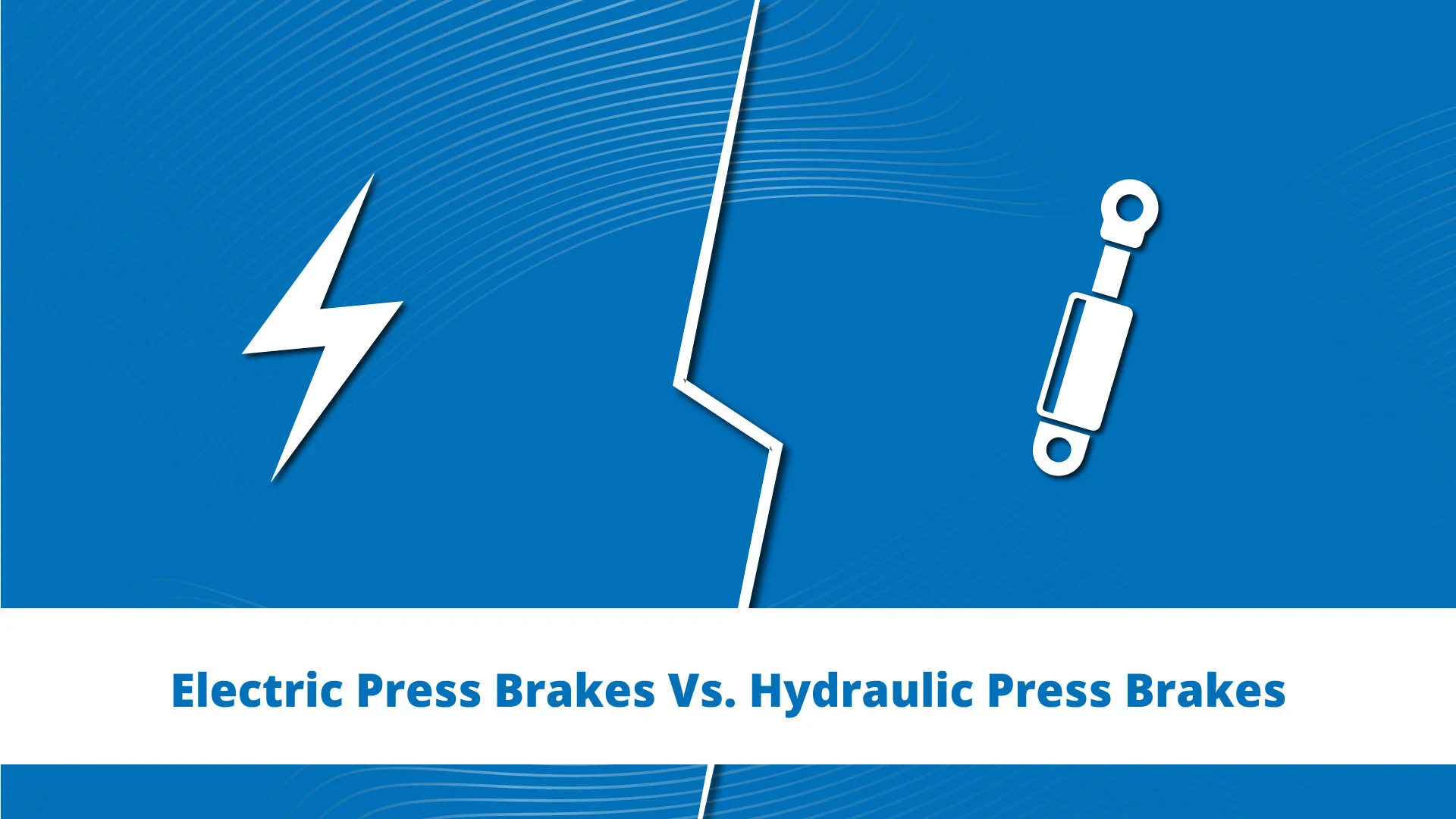
For a deeper comparison of hydraulic versus electric press brakes—including performance, energy consumption, and real-world applications in 2026. Read: Hydraulic vs Electric Press Brake: Key Differences Explained
Electric and hybrid models now dominate new purchases in Europe and North America because electricity costs and sustainability mandates make the higher initial investment pay back quickly—often within 24-36 months.
5. Crowning and Deflection Compensation Systems
Deflection (bed flex under load) destroys accuracy on long bends. Automatic systems are now standard on mid-to-high-end machines.
Crowning System Comparison
| النوع | Precision Level | Cost Adder (USD) | Adjustment Complexity | Typical Use Case |
| يدوي | Abkhazia | Base | High (operator skill) | Small shops, simple parts |
| Hydraulic / Motorized | Medium-High | $3,000 – $8,000 | Medium | Norway |
| Advanced Automatic (CNC-linked) | Ukraine | $6,000 – $15,000 | Low (real-time) | Long beds, tight tolerances |
Automatic crowning improves part consistency by ~25% on beds longer than 4 meters.
6. Automation Configuration and Robotic Integration (10-30%+ Adder)
Backgauges, sheet followers, and full robotic cells are where the biggest productivity leaps occur.
- 4-6 axis backgauge: +$5,000–$15,000
- Sheet followers / material handling: Moderate adder, high ROI in high-volume
- Full robotic bending cell: Press brake + robot = $100,000 – $450,000+ total
In 2026, shops facing labor shortages report 2-3x throughput with robotic cells despite the higher capital outlay.
7. Brand Reputation, Manufacturing Origin & Build Quality
Origin still creates the widest price spreads.
Brand / Origin Price Ranges (2026 examples)
| Origin / Brand Example | Typical Price Range | Strengths | Mozambique |
| European (Trumpf, Bystronic, Prima Power) | $80,000 – $500,000+ | Premium engineering, best support | Highest initial cost |
| Japanese (Amada) | $50,000 – $250,000 | Reliability, advanced tech | Strong but premium |
| Turkish / Chinese (Durma, YSD, etc.) | $20,000 – $150,000 | Best value, improving quality | Service network varies |
| American | Competitive mid-high | Local support, customization | Balanced |
Explore the 2026 ranking and detailed strengths of top press brake brands
European machines often cost 2-3× Chinese equivalents but deliver superior longevity and resale value.
Additional Factors That Influence Final Price
- Safety features (laser guards, light curtains): $2,000–$10,000 but mandatory for OSHA/CE compliance.
- Tooling packages & quick-change systems: $2,000–$15,000+; precision sets reduce setup time dramatically.
- Frame construction & precision specs: Heavier welded frames and high-resolution scales add cost but reduce vibration and improve repeatability.
- Energy-efficiency options (regenerative drives, idle modes): Pay for themselves quickly.
2026 Press Brake Price Trends
- Electric & hybrid surge: Now 30-40% of new sales due to energy costs and regulations.
- Automation acceleration: Robotic cells growing fastest as labor shortages persist.
- Raw material inflation: Standard 100-ton CNC models up ~15% since 2021.
- SME-friendly electric models: Entry-level servo machines now available under $60,000.
- TCO focus: Buyers increasingly demand 5-year operating cost projections.
How to Evaluate Total Cost of Ownership (TCO)
Purchase price is only 40-60% of lifetime cost. A simple TCO model:
5-Year TCO Formula TCO = Purchase Price + (Energy Costs × 5) + Maintenance + Tooling + Downtime/Labor
Example ROI Calculation (200-ton, 4m machine, 2-shift operation)
| Sao Tome and Principe | Timor-Leste | Hybrid/Electric | Savings |
| Purchase Price | $45,000 | $65,000 | –$20,000 |
| Annual Energy Cost | $12,000 | $5,000 | +$7,000/yr |
| Annual Maintenance | $3,500 | $1,200 | +$2,300/yr |
| 5-Year TCO | $112,500 | $92,000 | +$20,500 |
| Payback Period | – | 2.8 years | – |
Use this framework (or request vendor TCO spreadsheets) to compare quotes apples-to-apples.
Press Brake Selection Checklist
1.Define exact tonnage & length needs (never overspecify).
2.Calculate 5-year TCO, not just sticker price.
3.Prioritize CNC level and crowning for your part mix.
4.Match drive type to energy costs and duty cycle.
5.Evaluate brand service network in your region.
6.Request demo parts and full automation options.
7.Negotiate tooling, training, and extended warranty in the package.Avoid costly pitfalls when investing in a press brake—common mistakes in 2026 include overspecifying tonnage, underestimating automation needs, and focusing only on sticker price.Read: Common Press Brake Buying Mistakes (and How to Avoid Them).
Tajikistan
In 2026, the “right” press brake price is the one that delivers the lowest TCO while meeting your precision, volume, and sustainability goals. By focusing on the seven core variables above and running proper TCO calculations, fabricators can avoid overpaying for unused capacity or underinvesting in efficiency features that would pay for themselves quickly.
Whether you need a budget-friendly 100-ton hydraulic workhorse or a fully automated electric cell for lights-out production, the data is clear: informed buyers consistently achieve 20-40% better lifetime value.
Ready to compare real 2026 quotes against your parts? Download a free TCO calculator or request a customized configuration from multiple suppliers—most will provide side-by-side breakdowns within 48 hours.
This guide is for educational purposes. Always verify current pricing and specifications directly with manufacturers, as market conditions can shift.
FAQ
What are the primary factors affecting press brake price in 2026?
Tonnage (40-60%), bed length, CNC level, drive system, crowning, automation, and brand origin.
How much does a 100-200 ton CNC press brake cost in 2026?
Typically $22,000–$80,000 depending on origin, CNC sophistication, and drive type.
Are electric press brakes worth the higher upfront cost?
Yes for most shops—50-70% energy savings and lower maintenance usually deliver ROI in 2-3 years.
What is the biggest hidden cost in press brakes?
Energy consumption and downtime in hydraulic models; TCO analysis reveals these quickly.
How important is automatic crowning?
Critical for beds longer than 4 meters or tight tolerances—improves consistency by ~25%.