






These protocols create a safe and efficient operating environment, ensuring consistent performance.
Troubleshooting Common Issues.
Troubleshooting Tips
Even with proper procedures, issues may arise during operation, requiring prompt troubleshooting to minimize downtime.
Inconsistent Cuts.
: A misaligned laser beam or worn copper nozzle may cause inconsistent cuts. Realign the beam and replace the nozzle to restore cut quality.Machine Jittering.
: Uncalibrated axes or insufficient lubrication can lead to jittering. Recalibrate the machine and apply grease to guide rails and racks to resolve the issue.Capacitance Alarms.
: Faulty nozzle contact or electrical issues may trigger capacitance alarms. Inspect the nozzle and connections, clean the system, and avoid calibration until the issue is resolved.Overheating.
: Inadequate chiller performance or low water levels can cause overheating. Check the chiller temperature and water levels, and clean or replace the filter as needed.Proactive troubleshooting ensures consistent performance and minimizes operational disruptions.
Laser cutting machine operation requires precision, attention to detail, and a commitment to safety. By following detailed procedures for starting and shutting down, preparing for cutting tasks, selecting optimal lead-in lines, performing regular calibrations, and implementing robust safety and maintenance protocols, operators can achieve high-quality cuts and extend the machine’s lifespan. This guide offers a comprehensive framework for both novice and experienced operators to maximize efficiency and safety in laser cutting operations, delivering professional results that meet industry standards.blog.
Laser Cutting Machine Operationpress brake safety.
Laser Cutting Machine Operation Guide: Safety & Efficiency.
レーザー切断機のシャットダウン
シャットダウン手順
適切なシャットダウン手順は、レーザー切断機を保護し、その寿命を確保し、将来のセッションでの損傷や操作上の問題を防止するために不可欠です。.
レーザーの非アクティブ化:キー スイッチを閉じてレーザーをオフにし、レーザーチューブの電源を切り、不要な摩耗を防ぎます。切断ソフトウェアで、赤色光を無効にし、シャッターを閉じて偶発的なレーザー放出をブロックし、シャットダウン中の安全を確保します。.
軸とポンプの非アクティブ化:X軸とY軸(ソフトウェアでは「Machine Tool」と表示)およびZ軸(高さ調整用には「Follow」と表示)を非アクティブ化して、すべての機械的動作を停止します。「STOP」機能を選択してウォーターポンプをオフにし、チラーを停止させますが、冬などの寒い気候では、システム内の水の凍結を防ぐためにポンプを稼働させ続けてください。.
ソフトウェアと電源のシャットダウン:切断ソフトウェアを閉じてバックグラウンドプロセスが実行されていないことを確認し、次にコンピューターをシャットダウンして次回の起動時のソフトウェアの競合を回避します。主電源スイッチをオフにして機械の電源を切りますが、寒い環境では、システムの暖かさを維持し、凍結を防ぐために主電源をオンのままにしてください。.
特別な考慮事項:マイナーなソフトウェア設定など、重要でない手順はプロセスを効率化するためにスキップできますが、レーザーと軸は常に適切に非アクティブ化する必要があります。シャットダウン後、次回のセッションの前に潜在的な問題に対処するために、機械の摩耗、漏れ、または破片の兆候がないか検査してください。.
これらの手順により、機械が安全にシャットダウンされ、将来の使用のためにその状態が維持されます。.
切断前の準備
準備手順
切断作業前の徹底した準備は、高品質な結果を達成し、オペレーターの安全を確保するために不可欠です。.
機械の検査: レーザー切断機のコンポーネント(レーザーヘッド、銅ノズル、セラミックリング、レンズなど)を徹底的に検査し、性能を損なう可能性のある摩耗、ひび割れ、または破片がないか確認します。ガイドレール、ギア、ラックが清潔で潤滑されていることを確認し、動きの妨げとなる鉄粉やほこりを取り除きます。.
パラメータの最適化: 材料の特性(種類、厚さ、密度など)に基づいて切断パラメータを選択し、レーザー出力、切断速度、焦点位置、補助ガス(窒素、酸素、空気など)の種類を調整します。銅ノズルのサイズが材料の厚さに適合していること、およびガス圧が推奨範囲の0.5~2.0バール内であることを確認します。.
ワークピースの位置決めとアライメント: ワークピースを切断ベッドに正確に配置し、開始点を材料の遠点に合わせることで、効率を最大化し、無駄を最小限に抑えます。ソフトウェアで切断シーケンスが論理的に進行することを確認し、切断フレームが材料の寸法内に収まるようにします。精度を高めるために、ワークピースに座標をマークして切断パスをガイドします。.
機械の校正と予熱: Z軸の高さを調整し、X軸とY軸の位置を確認してレーザーヘッドをワークピースに合わせることで、機械を校正します。レーザーと機械部品を安定させ、切断精度を高めるために、機械を5~10分間予熱します。.
オペレーターの準備: オペレーターが機械の操作、安全プロトコル、ソフトウェアの使用方法、緊急停止手順、および切断中に発生する可能性のある問題に対処するためのトラブルシューティング技術について訓練を受けていることを確認します。.
これらの準備は、正確で効率的かつ安全なレーザー切断作業のための強固な基盤を築きます。.
導入線(リードインライン)の推奨事項
導入線(リードインライン)の選択
適切な導入線を選択することは、クリーンで正確な切断を実現し、材料の欠陥を最小限に抑える上で非常に重要です。.
導入線(リードインライン)の長さ: 厚さ6mmまでのワークピースには、材料へのスムーズな導入を確実にするために3mmの導入線を使用します。厚さ6~12mmのワークピースには、材料抵抗の増加に対応するために3~4mmの導入線を選択します。.
間隔と開口部: ワークピースの間隔を5~6mmに保ち、リードイン線の長さよりも長くして、切断間の重なりや干渉を防ぎます。きれいな切断を確保し、スラッジの堆積を防ぐために、切断開口部を材料の厚さより0.5~1mm大きく設定します。.
リードイン精度校正プロセス: 校正中にワークピースとの接触を避けるため、切断ヘッド(Z軸)をワークピースから約1mm上に配置します。コントロールパネルでF1キーを選択して校正を開始し、正確な高さ調整のために「2 Floating Head」モードを選択し、ENTキーを押して開始します。完了後、再度ENTキーを押して確認します。校正結果は「Excellent」または「Good」と評価される必要があります。それより低い場合は、プロセスを繰り返します。.
実用的なヒント: ソフトウェアでリードイン線の設定を再確認し、材料の仕様と一致させます。主要なワークピースを切断する前に、同じ材料のスクラップピースで設定をテストし、最適なパフォーマンスを確認します。.
これらの手順により、高品質な切断と効率的な材料使用が保証されます。.
校正要件
校正プロセス
校正は、レーザー切断機の精度を維持し、操作エラーを防ぐために不可欠です。.
コンポーネント交換後: 摩耗や損傷により銅ノズルまたはセラミックリングを交換した後、レーザービームとの適切なアライメントを確保するために校正を実行します。.
不安定なパフォーマンス: 機械がジッター、一貫性のない追従、または不規則な動きを示す場合は、安定性を回復し、一貫したパフォーマンスを確保するために再校正します。.
静電容量の変化: コントロールパネルを介して機械の静電容量を監視します。急激な増加や減少などの大幅な変化があった場合は、切断精度を維持するために再校正が必要です。.
エラー条件: If touching the copper nozzle does not reset capacitance to “0” or triggers a red light alarm, halt calibration immediately and investigate issues like electrical faults or debris to prevent machine damage.
Calibration Best Practices: Conduct calibration in a controlled environment free from vibrations or interference. Document results to track trends and identify recurring issues over time.
Regular calibration ensures reliable performance and minimizes errors during cutting tasks.
Safety Measures and Maintenance Protocols
Safety and Maintenance Guidelines
Safety and maintenance are critical to protect operators, ensure high-quality cuts, and extend the laser cutting machine’s lifespan.
Protective Gear: Operators must wear laser safety goggles rated for the machine’s wavelength to protect against harmful radiation. Gloves and protective clothing should be used when handling materials or cleaning to avoid burns or cuts.
Operational Checks: During startup, verify the step setting (0.01), lubrication adequacy, and successful homing. Monitor the laser beam’s alignment with the copper nozzle during cutting, pausing to realign if it deviates to maintain cut quality.
Component Maintenance: Inspect the copper nozzle and ceramic ring every 2–3 days for wear or slag buildup, cleaning or replacing as needed. Check laser lenses weekly, cleaning with a lint-free cloth and approved solution to prevent distortion or power loss.
Lubrication and Cleaning: Refill the lubrication tank with No. 46 machine oil weekly if low. Clean guide rails daily to remove iron filings, dust, or debris, and apply grease to gears and racks every 7 days. Lubricate the laser head’s rack weekly with grease for smooth operation.
Water System Maintenance: Clean the water tank’s isolation net monthly, replace the filter as needed, and change the water every 2–3 months to maintain cleanliness and prevent clogs. Verify correct water pipe connections (outlet to inlet, inlet to outlet) for proper flow.
General Maintenance: Check limit stops weekly for tightness to prevent misalignment. Clean the control panel fan and cutting head surfaces daily. Empty the oil collection box and scrap cart daily. Address oil shortage or axis alarms by disconnecting, cleaning, and reconnecting the signal line.
Pressure and Perforation Monitoring: Monitor air pressure to ensure stability (e.g., 1.4 bar). When increasing perforation speed, verify holes are fully penetrated to avoid damage to the copper nozzle or lenses, which could trigger capacitance alarms.
These protocols create a safe and efficient operating environment, ensuring consistent performance.
Troubleshooting Common Issues
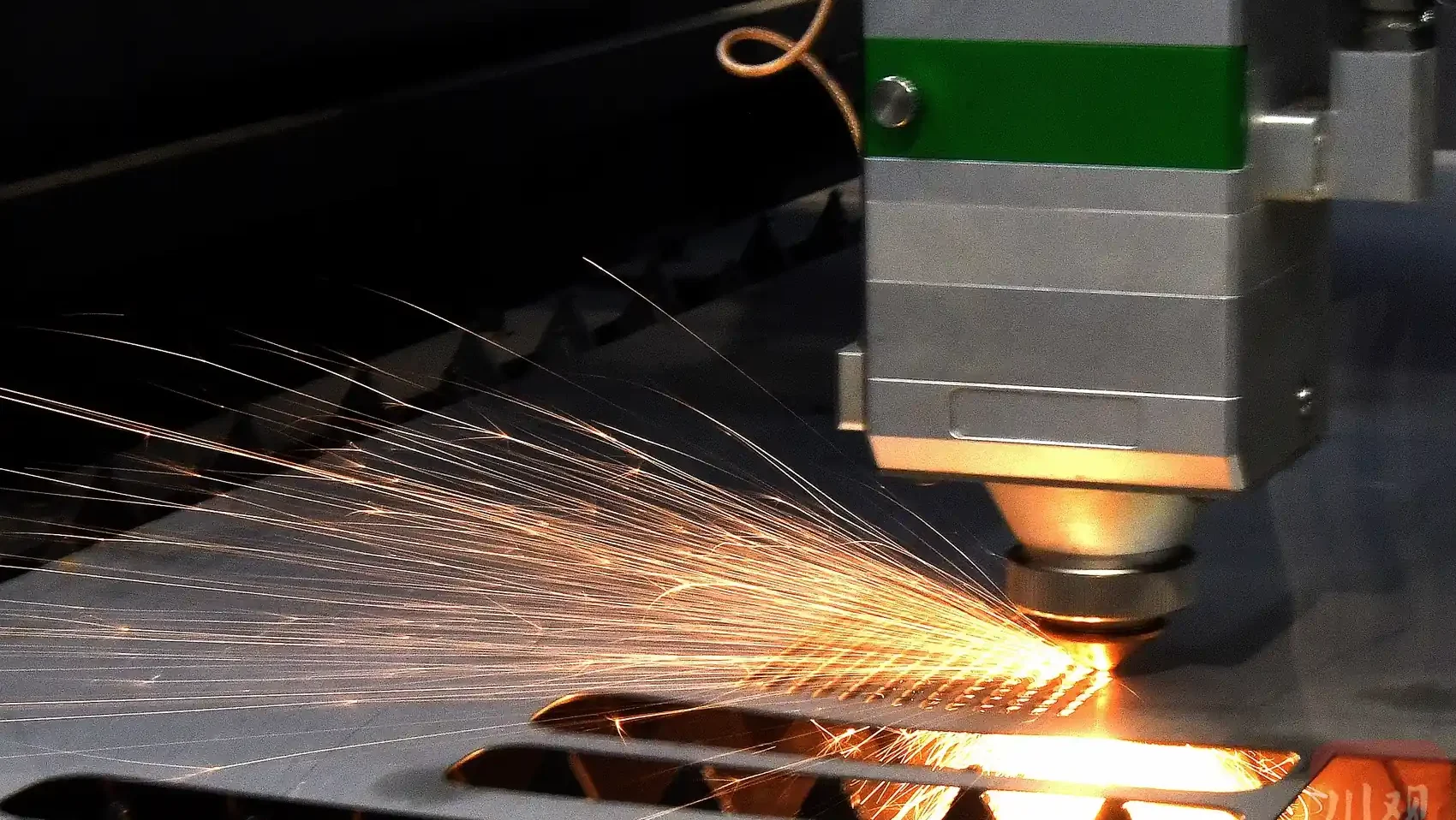
Troubleshooting Tips
Even with proper procedures, issues may arise during operation, requiring prompt troubleshooting to minimize downtime.
Inconsistent Cuts: A misaligned laser beam or worn copper nozzle may cause inconsistent cuts. Realign the beam and replace the nozzle to restore cut quality.
Machine Jittering: Uncalibrated axes or insufficient lubrication can lead to jittering. Recalibrate the machine and apply grease to guide rails and racks to resolve the issue.
Capacitance Alarms: Faulty nozzle contact or electrical issues may trigger capacitance alarms. Inspect the nozzle and connections, clean the system, and avoid calibration until the issue is resolved.
Overheating: Inadequate chiller performance or low water levels can cause overheating. Check the chiller temperature and water levels, and clean or replace the filter as needed.
Proactive troubleshooting ensures consistent performance and minimizes operational disruptions.
Press brake maintenance and repair should be viewed as an ongoing process rather than a reaction to failure. Proper lubrication, careful hydraulic system management, and regular mechanical inspection form the foundation of reliable machine operation. These practices not only reduce downtime but also help maintain consistent bending accuracy over the machine’s service life.
Laser cutting machine operation requires precision, attention to detail, and a commitment to safety. By following detailed procedures for starting and shutting down, preparing for cutting tasks, selecting optimal lead-in lines, performing regular calibrations, and implementing robust safety and maintenance protocols, operators can achieve high-quality cuts and extend the machine’s lifespan. This guide offers a comprehensive framework for both novice and experienced operators to maximize efficiency and safety in laser cutting operations, delivering professional results that meet industry standards.

V-Grooving Machine
- Press Brake
- Laser Cutting Machine
- Shearing Machine
- Press Brake Safety Precautions: Complete Guide for Safe Operation and Maintenance
- Hydraulic Press Machine
- Read more about Practical Methods for Press Brake Accuracy with Long Term Precision
- Rolling Machine
- Ironworker
- Press Brake Tooling
- Machinery Accessories