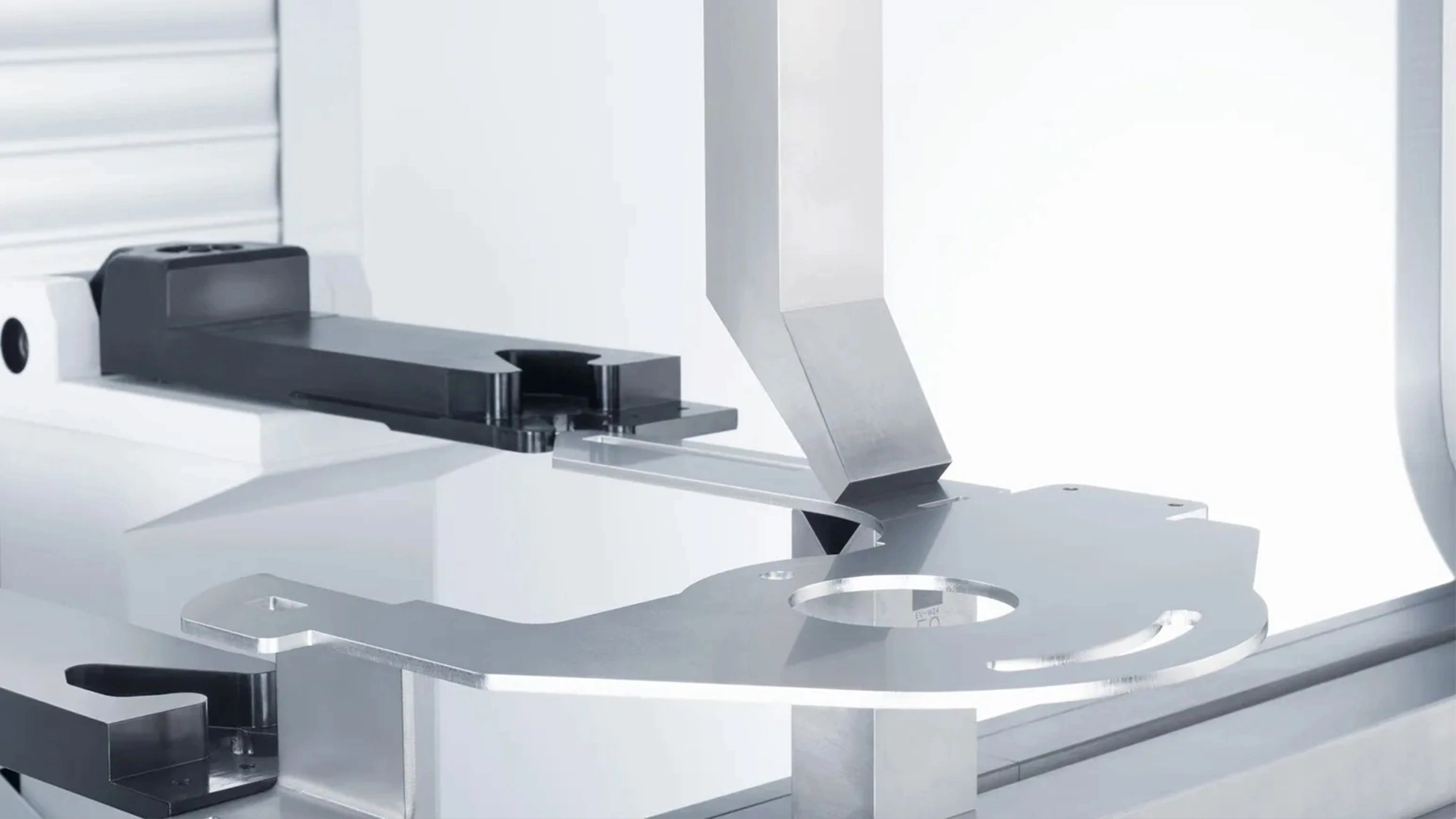







Differences Between Fiber Laser Cutting Machines and CO2 Laser Cutting Machines
파이버 레이저 절단기와 CO2 레이저 절단기 사이의 선택 탐색
레이저 절단기에 투자할 때, 기업들은 종종 어려운 결정에 직면합니다. 명확한 기준이나 포괄적인 데이터가 없으면, 많은 기업들이 가격을 유일한 결정 요인으로 삼는 경향이 있습니다. 오늘날 수많은 모델과 브랜드가 경쟁하는 포화되고 다양한 시장에서 이러한 접근 방식은 점점 더 흔해지고 있습니다. 그러나 순전히 비용만을 기준으로 레이저 절단기를 선택하면 중요한 성능 요소를 간과하여 운영 요구 사항에 맞지 않는 장비를 선택하게 될 수 있습니다.
이 복잡한 결정을 안내하기 위해, 이 글은 파이버 레이저 절단기 와 CO2 레이저 절단기 사이에서 선택할 때 필수적인 고려 사항들을 탐구합니다. 두 기술 모두 특정 응용 분야에서 뛰어나지만, 성능, 비용 및 유지 보수에서의 차이점은 각각을 다른 시나리오에 적합하게 만듭니다. 중요한 것은 보편적인 해결책은 없다는 것입니다. 재료 유형부터 생산량까지 각 회사의 요구 사항이 최선의 선택을 결정합니다. 이 기계들의 미묘한 차이를 이해함으로써 효율성과 장기적인 가치를 극대화하는 결정을 내릴 수 있습니다.
우리의 목표는 파이버 레이저 절단기와 CO2 레이저 절단기에 대한 상세하고 실용적인 비교를 제공하여, 귀하의 구매가 비즈니스 목표와 일치하도록 돕는 것입니다. 주요 선택 요소, 산업 동향 및 실행 가능한 구매 팁을 다루어 현명한 선택을 하는 데 필요한 통찰력을 확보할 수 있도록 할 것입니다.
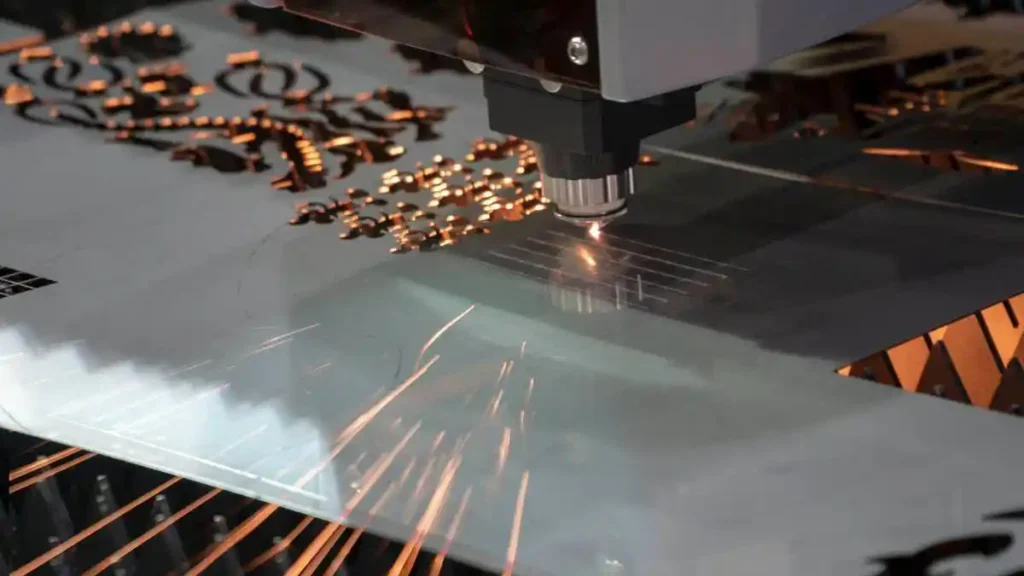
파이버 레이저 절단기와 CO2 레이저 절단기 선택의 주요 요소
올바른 레이저 절단기를 선택하는 것은 레이저 유형부터 장비의 설계 및 미래 확장성에 이르기까지 여러 가지 중요한 요소를 평가하는 것을 포함합니다. 아래에서는 파이버 레이저 절단기 또는 CO2 레이저 절단기 중 어느 것이 귀하의 요구 사항에 더 적합한지 결정하는 데 도움이 되는 가장 중요한 고려 사항들을 분석합니다.
레이저 유형: 파이버 레이저 절단기 vs. CO2 레이저 절단기
귀하의 결정의 핵심은 파이버 레이저 절단기와 CO2 레이저 절단기 중 하나를 선택하는 데 있습니다. 이 선택은 귀하의 주요 응용 분야, 재료 유형 및 생산 목표에 따라 달라집니다.
CO2 레이저 절단기: 강점 및 응용 분야
CO2 레이저 절단기는 가스 혼합물(주로 CO2, 보조제로 산소, 헬륨, 크세논)을 사용하여 10.64μm 파장의 레이저 빔을 생성합니다. 이 파장은 비금속 재료에 쉽게 흡수되므로 CO2 레이저는 목재, 아크릴, 유리, 가죽 및 플라스틱 절단에 이상적입니다. 또한 두꺼운 재료 가공에도 뛰어나며, 특히 간판이나 가구 제조와 같은 응용 분야에서 매끄러운 모서리로 우수한 절단 품질을 제공합니다.
예를 들어, CO2 레이저 절단기는 정밀도와 마감이 중요한 작업인 20mm 아크릴 시트를 최소한의 후처리로 손쉽게 절단할 수 있습니다. 그러나 구리나 황동과 같이 반사율이 높은 금속을 절단할 때는 더 긴 파장이 이러한 재료에 어려움을 겪기 때문에 효율성이 떨어집니다.
파이버 레이저 절단기: 장점 및 기능
대조적으로, 파이버 레이저 절단기는 유연한 광섬유 케이블을 통해 전송되는 고체 다이오드 펌프 레이저를 사용하며, 파장은 1.064μm로 CO2 레이저보다 10배 짧습니다. 이 짧은 파장은 더 작은 초점과 결합되어 파이버 레이저 절단기를 스테인리스 스틸, 알루미늄 및 티타늄을 포함한 금속 절단에 매우 효과적으로 만듭니다. 작은 영역에 강렬한 에너지를 집중시키는 능력은 특히 얇거나 중간 두께의 재료에 대해 더 빠른 절단 속도와 더 높은 정밀도를 제공합니다.
최근의 발전은 또한 파이버 레이저 절단기의 기능을 확장하여 더 두꺼운 금속을 처리할 수 있게 하여 CO2 레이저와의 격차를 줄였습니다. 예를 들어, 현대 파이버 레이저 절단기는 CO2 성능에 필적하면서 더 빠른 속도를 유지하며 최대 25mm 강판을 깨끗한 모서리로 절단할 수 있습니다. 또한, 파이버 레이저 절단기는 다음과 같은 상당한 이점을 제공합니다.
더 빠른 절단 속도: Up to three times faster than CO2 lasers for thin metals, ideal for high-volume production.
Lower Energy Consumption: With a photoelectric conversion rate of 25%-30% (compared to 8%-10% for CO2), they’re more energy-efficient.
Reduced Maintenance Costs: Fiber lasers have fewer moving parts and durable components, minimizing downtime and repair expenses.
For a metal fabrication shop producing automotive parts, a fiber laser cutting machine could cut 2mm steel sheets in half the time of a CO2 laser cutting machine, boosting throughput and profitability.
Cutting Head Configuration: Enhancing Productivity
Another critical factor is the number and type of cutting heads. Equipping a laser cutting machine with dual cutting heads can significantly increase productivity, especially for high-volume operations. For example, dual heads allow simultaneous cutting of multiple parts, reducing cycle times in industries like aerospace or electronics manufacturing.
Additionally, the type of cutting head matters. Standard straight cutting heads are versatile for most applications, but bevel cutting systems—used for creating angled edges—are essential for industries like shipbuilding or structural steel fabrication. However, not all manufacturers offer bevel cutting options, so verify this feature when evaluating models. Choosing between a fiber laser cutting machine with advanced cutting head options and a CO2 laser cutting machine with standard configurations depends on your specific workflow and output requirements.
Industry Trends in Laser Cutting Technology
The laser cutting industry is evolving rapidly, with two dominant trends shaping equipment development:
Higher Speeds and Power: Manufacturers are pushing for fiber laser cutting machines and CO2 laser cutting machines with greater power (up to 20kW or more) and faster cutting speeds. These advancements cater to cutting centers handling diverse orders with low part repetition, such as contract manufacturers serving multiple clients.
Automation and 24/7 Operation: Automated material loading and unloading systems are becoming standard, enabling round-the-clock production. This is particularly beneficial for companies with high-volume, repetitive parts, such as those in automotive or appliance manufacturing. Fiber laser cutting machines, with their lower maintenance needs, are especially well-suited for automated setups, ensuring consistent output with minimal human intervention.
These trends highlight the importance of aligning your equipment choice with your production scale and operational model. A fiber laser cutting machine with automation features might be ideal for a factory running continuous shifts, while a CO2 laser cutting machine could suffice for a smaller workshop focused on non-metal materials.
Core Differences Between Fiber Laser Cutting Machines and CO2 Laser Cutting Machines
To provide a clearer comparison, let’s examine the five primary differences between fiber laser cutting machines and CO2 laser cutting machines:
1. Laser Source and Beam Delivery
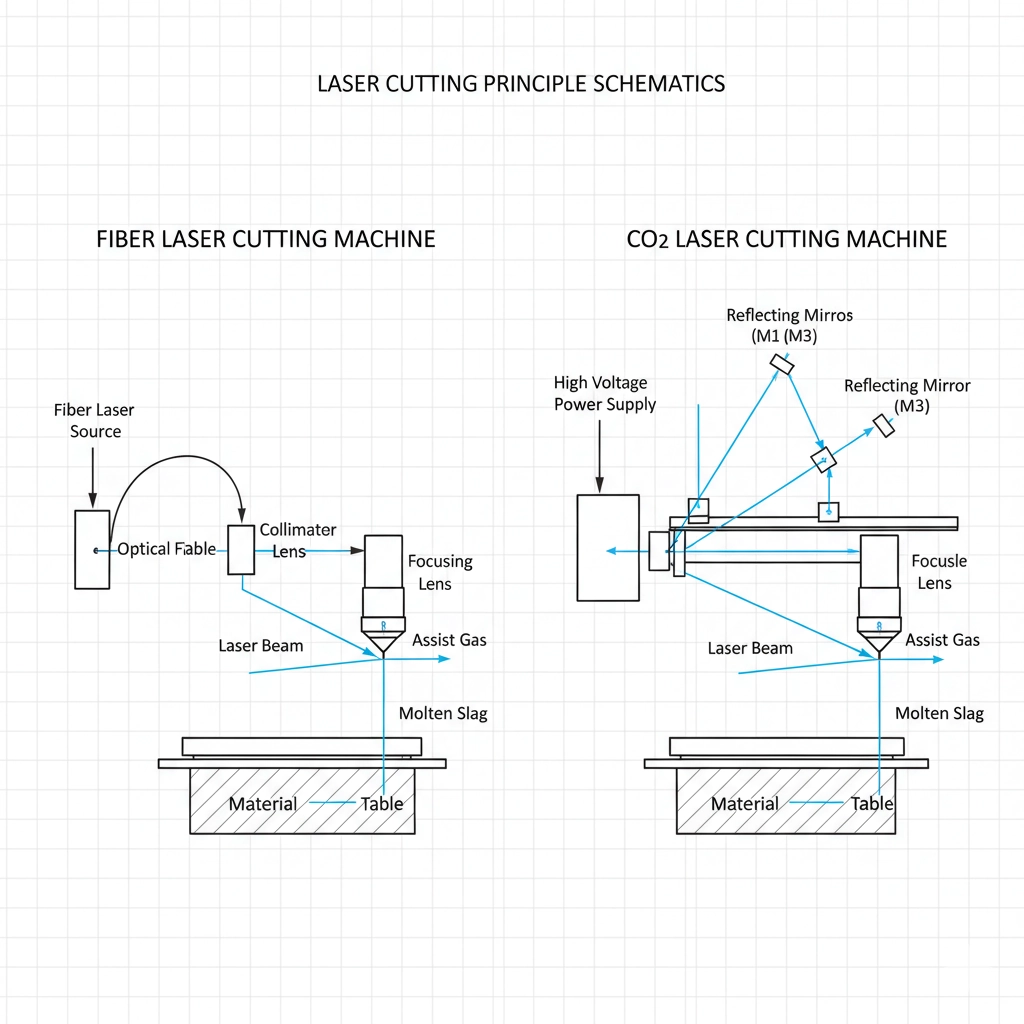
CO2 Laser Cutting Machine: Generates a laser beam using a CO2 gas-filled tube, with the beam directed through mirrors and lenses to the cutting head. This complex optical system requires precise alignment and regular maintenance.
Fiber Laser Cutting Machine: Uses diode-pumped solid-state lasers, with the beam transmitted via flexible fiber optic cables. This simplifies the system, enhances beam consistency, and reduces maintenance needs.
2. Material Suitability
CO2 Laser Cutting Machine: Excels at cutting non-metals (e.g., wood, acrylic, textiles) due to its longer wavelength, which is absorbed well by organic materials. It’s less effective for reflective metals.
Fiber Laser Cutting Machine: Optimized for metals, including highly reflective ones like copper and brass. Its shorter wavelength ensures precise cuts on thin to medium-thickness metals, with improving capabilities for thicker materials.
3. Production Costs
CO2 Laser Cutting Machine: Consumes significant amounts of assist gases (CO2, O2, He, Xe), contributing to higher operating costs. Its lower photoelectric conversion rate (8%-10%) also increases energy expenses.
Fiber Laser Cutting Machine: Requires fewer consumables and boasts a higher conversion rate (25%-30%), making it more cost-effective and energy-efficient over time.
4. Maintenance Expenses
CO2 Laser Cutting Machine: Features delicate components like mirrors and lenses, which are prone to wear and costly to replace. Regular maintenance is essential to prevent downtime.
Fiber Laser Cutting Machine: Virtually maintenance-free, with durable components that require infrequent replacement, reducing long-term costs.
5. Cutting Efficiency
CO2 Laser Cutting Machine: Its broader beam dispersion limits speed, especially for large-scale metal cutting. It’s slower when processing thick plates.
Fiber Laser Cutting Machine: Offers high beam density and intensity, enabling faster cuts and greater efficiency, particularly for metals. This makes it ideal for high-throughput environments.
For example, a fiber laser cutting machine cutting 1mm stainless steel can achieve speeds of 20-30 meters per minute, while a CO2 laser cutting machine might manage only 5-10 meters per minute for the same task. This gap widens in large-scale production, where fiber laser cutting machines shine.
Practical Tips for Selecting the Right Laser Cutting Machine
To ensure your investment delivers value, consider these actionable tips when choosing between a fiber laser cutting machine and a CO2 laser cutting machine:
Define Your Equipment’s Purpose
Advanced features, such as high-power lasers or automation, are only valuable if they align with your needs. Before purchasing, clarify your goals:
What materials will you cut most frequently? (Metals favor fiber laser cutting machines; non-metals suit CO2 laser cutting machines.)
What are your production volumes and turnaround times? (High-volume shops benefit from fiber laser cutting machines’ speed.)
Do you need versatility or specialization? (CO2 lasers offer broader material compatibility, while fiber lasers excel in precision metalwork.)
For instance, a custom jewelry manufacturer might prioritize a fiber laser cutting machine for its ability to create intricate metal patterns, while a signage company would lean toward a CO2 laser cutting machine for its non-metal versatility.
Prioritize Long-Term Operational and Maintenance Costs
A laser cutting machine is a long-term investment, and its ongoing costs can significantly impact profitability. Fiber laser cutting machines generally offer lower operational expenses due to their energy efficiency and minimal maintenance. In contrast, CO2 laser cutting machines may incur higher costs for gas refills and optical component replacements.
Reliable after-sales support is equally critical. Downtime from equipment failure can disrupt production and erode profits. When evaluating suppliers, inquire about:
Warranty terms and service response times.
Availability of spare parts and local technical support.
Training programs to ensure your team can operate and maintain the machine effectively.
For example, a fiber laser cutting machine with a robust service plan might cost more upfront but save thousands in maintenance over a decade compared to a CO2 laser cutting machine with frequent lens replacements.
Evaluate Scalability and Future Needs
As your business grows, your equipment must keep pace. Consider whether the machine can handle increased production demands or new material types. Fiber laser cutting machines are often more future-proof due to their compatibility with automation and improving thick-material capabilities. However, if your focus remains on non-metal applications, a CO2 laser cutting machine may remain relevant longer.
Conclusion: Making an Informed Decision
Choosing between a 파이버 레이저 절단기 and a CO2 laser cutting machine requires a careful balance of immediate needs and long-term goals. Fiber laser cutting machines are increasingly popular for their speed, efficiency, and low maintenance, making them ideal for metal-focused, high-volume operations. Conversely, CO2 laser cutting machines remain a go-to choice for non-metal materials and applications requiring superior cut quality on thicker substrates.
By defining your material requirements, assessing production demands, and factoring in operational costs, you can select a machine that drives efficiency and profitability. Always prioritize reputable suppliers with strong after-sales support to ensure your investment delivers lasting value. Whether you choose the precision of a fiber laser cutting machine or the versatility of a CO2 laser cutting machine, aligning your choice with your business’s unique needs is the key to success.

Metalworking specialist with 12 years of experience in sheet metal fabrication and press brake applications, certified by ASME.