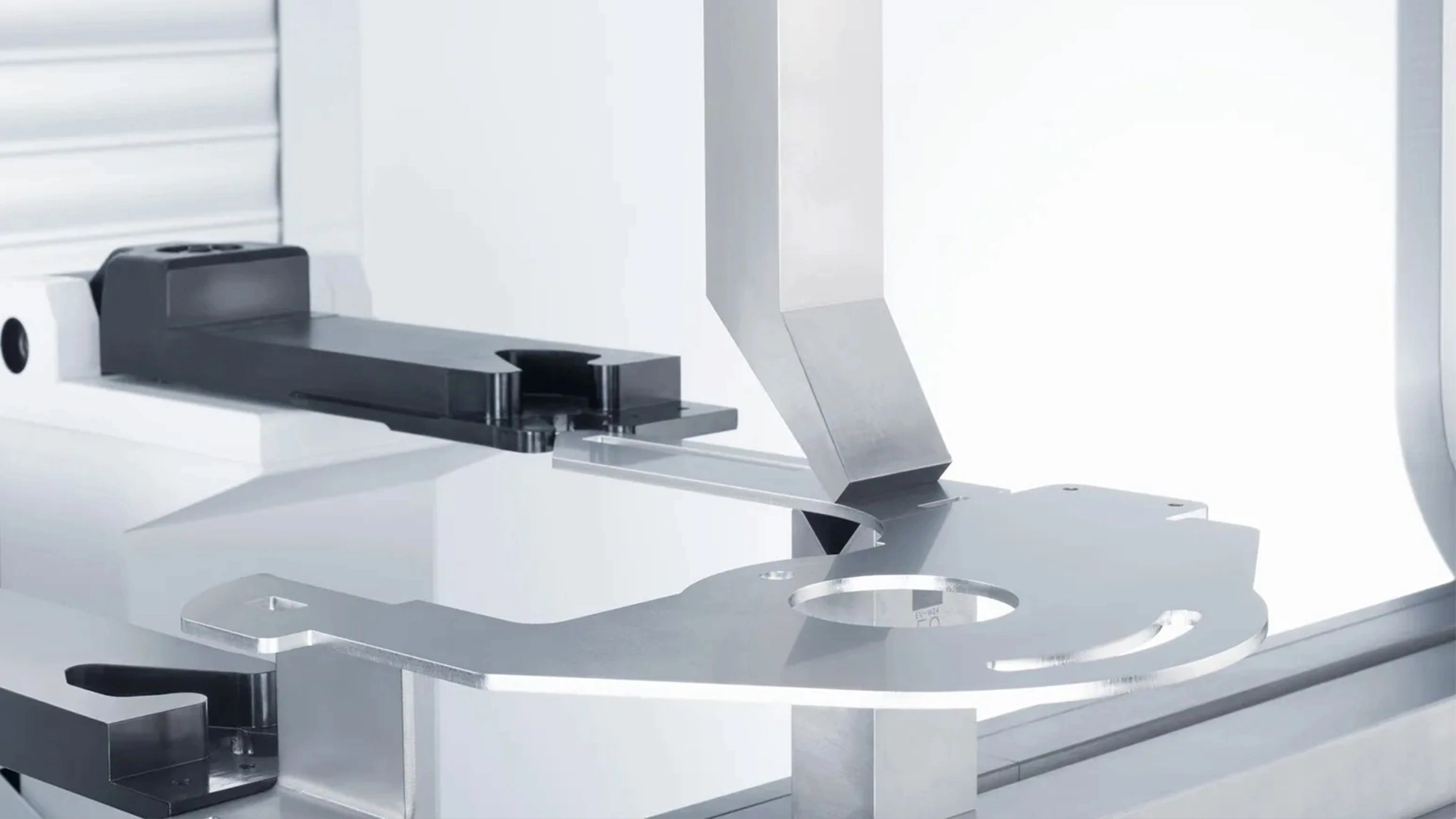







How to Diagnose and Repair Press Brake Cylinder Failures
Impact: Reduces synchronization errors to <0.1mm. Mechanical Component Inspection. Guide Rail and Ram Check.
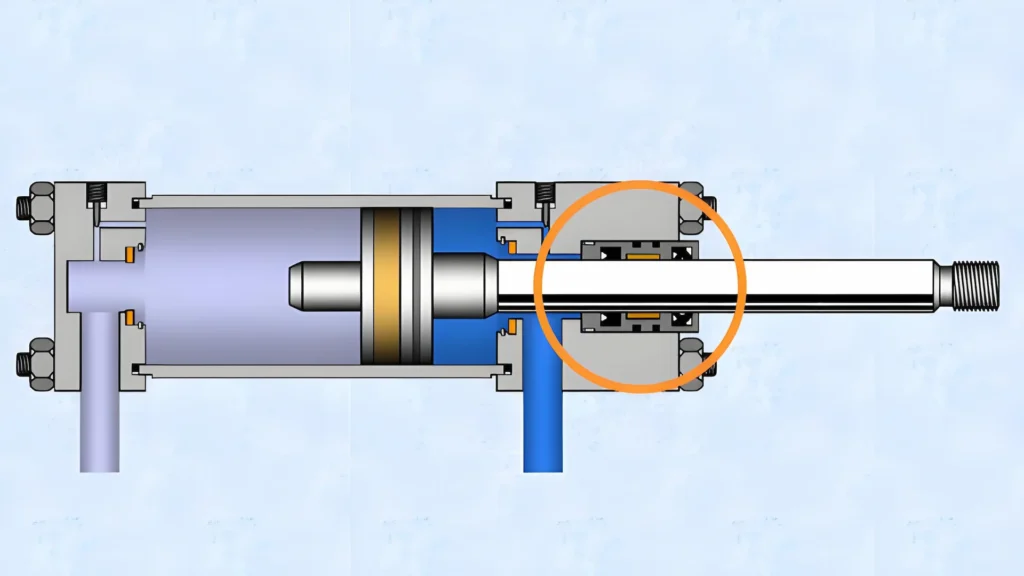
Clean rails with degreasers and inspect for wear or scratches.
Adjust rail-ram clearance to 0.05-0.1mm for smooth motion.
Cost: $100-$500 for rail repairs.
Load Balance Verification.
Ensure molds are level using a laser alignment tool.
Position workpieces symmetrically to prevent single-sided loading.
Electrical Control Calibration
Sensor Signal Check.
Clean position sensor heads and recalibrate zero points.
Use shielded cables to eliminate signal interference.
Controller Parameter Tuning
Optimize PID settings (e.g., proportional gain: 0.8-1.2, integral time: 0.1-0.2s). | Implement master-slave or cross-feedback algorithms for real-time synchronization. | System Testing and Validation |
Manual Mode Testing | Drive each cylinder individually, monitoring pressure with a gauge (±1 bar tolerance). | Adjust valves to equalize pressures. |
Automatic Mode Calibration | Run self-learning cycles to set synchronization baselines. | Use diagnostic software to monitor displacement curves, targeting <0.1mm error. |
Preventive Maintenance Schedule | Task. | Frequency. |
Cost Estimate | Impact. | Replace hydraulic oil and filters. |
Every 6 months.
Reduces contamination by 80%
Inspect servo valve response.
Quarterly
Prevents 90% of valve-related failures
Lubricate mechanical components
Monthly.
Extends component life by 30%
Log and analyze fault data.
$0 (in-house)
Predicts 70% of potential failures.
FAQ: Press Brake Cylinder Failure Diagnosis and Solutions
Q: What are the main causes.
of press brake cylinder failure?
A: Valve core sticking, blockages, low control pressure, air in the system, or high fluid viscosity in cold conditions.
Q: How do I fix a stuck valve core or blocked valve hole?
A: Check fluid for contamination, clean or replace the valve core, and inspect valve body wear. Q: Why does the cylinder not move or move slowly?.
A: Inspect for tight seals, contamination, or misalignment. Replace worn seals and ensure proper cylinder alignment. Q: How can I address low hydraulic pressure?.
A: Adjust throttling resistance, verify valve settings, and check pressure source for interference. Q: How do I prevent air in the hydraulic system?.
A: Monitor fluid levels, inspect pump suction seals, and clean/replace coarse filters. Q: Why is cylinder performance poor in cold conditions?.
A: High fluid viscosity reduces flow. Use low-viscosity hydraulic oil or preheat the system with a heater.
A: Check fluid for contamination, clean or replace the valve core, and inspect valve body wear. A: Follow a quarterly maintenance schedule, including fluid checks, seal inspections, and valve calibrations.
A: Inspect for tight seals, contamination, or misalignment. Replace worn seals and ensure proper cylinder alignment. press brake cylinder.
Impact Replace hydraulic oil and filters.
Every 6 months
A: Check fluid for contamination, clean or replace the valve core, and inspect valve body wear. Inspect servo valve response.
Quarterly Prevents 90% of valve-related failures.
Lubricate mechanical components Monthly.
Extends component life by 30%
A: Check fluid for contamination, clean or replace the valve core, and inspect valve body wear. $0 (in-house).
A: Inspect for tight seals, contamination, or misalignment. Replace worn seals and ensure proper cylinder alignment. FAQ: Press Brake Cylinder Failure Diagnosis and Solutions.
Q: What are the main causes of press brake cylinder failure?.
A: Valve core sticking, blockages, low control pressure, air in the system, or high fluid viscosity in cold conditions.
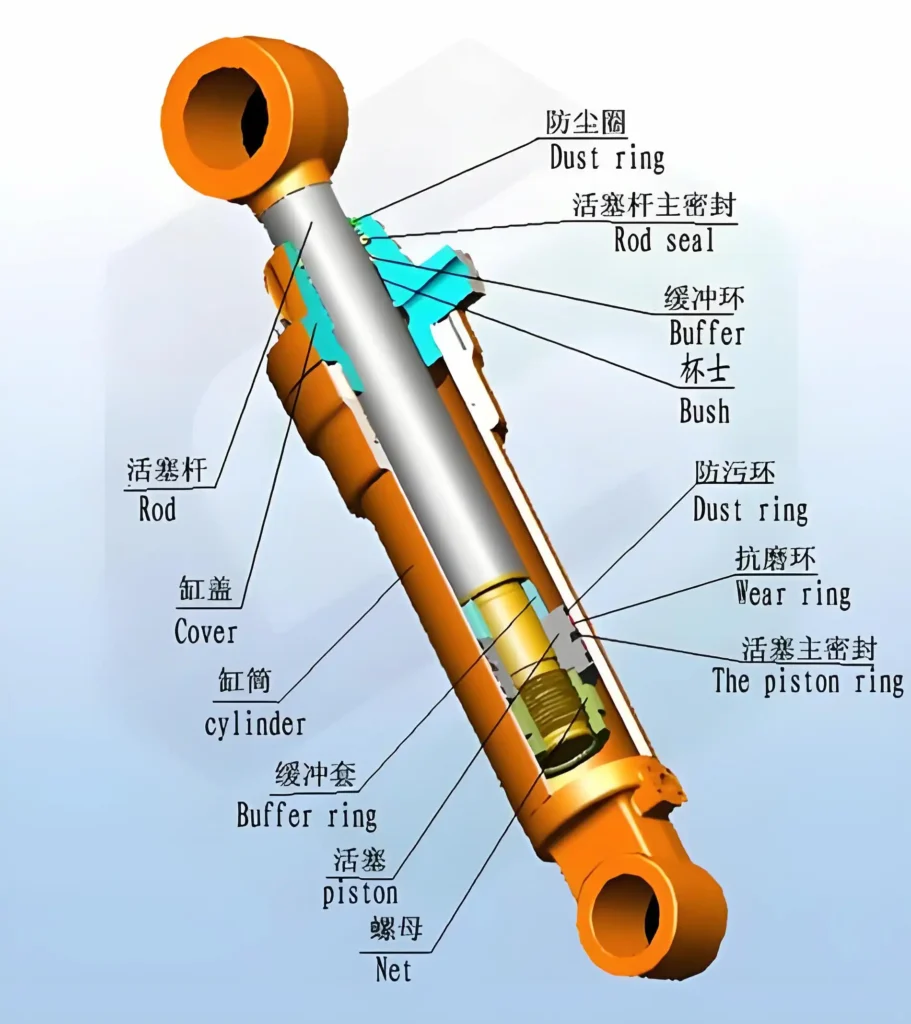
Q: How do I fix a stuck valve core or blocked valve hole?
A: Check fluid for contamination, clean or replace the valve core, and inspect valve body wear.
Q: Why does the cylinder not move or move slowly?
A: Inspect for tight seals, contamination, or misalignment. Replace worn seals and ensure proper cylinder alignment.
Q: How can I address low hydraulic pressure?.
A: Adjust throttling resistance, verify valve settings, and check pressure source for interference.
Q: How do I prevent air in the hydraulic system?.
A: Monitor fluid levels, inspect pump suction seals, and clean/replace coarse filters.
Q: Why is cylinder performance poor in cold conditions?.
A: High fluid viscosity reduces flow. Use low-viscosity hydraulic oil or preheat the system with a heater.
Q: How often should I maintain my press brake cylinder?.
A: Follow a quarterly maintenance schedule, including fluid checks, seal inspections, and valve calibrations.
Press brake cylinder maintenance is a cornerstone of reliable sheet metal fabrication. By addressing failure causes like contamination, air bubbles, and seal issues, and implementing systematic synchronization solutions, operators can achieve near-perfect bending accuracy and efficiency. Regular maintenance, supported by data-driven schedules and professional services like CAMT, can extend equipment lifespan by 3-7 years and reduce downtime costs by up to 40%. Invest in high-quality components and proactive care to keep your hydraulic or CNC press brake performing at its best.
Read more about Principle and Function of Press Brake Safety Protection System.
Read more about Press Brake Maintenance and Repair.
Read more about Practical Methods for Press Brake Accuracy with Long Term Precision
Read more about Practical Guidance For Press Brake Operation.
Read more about How to Properly Install a Press Brake Machine.
press brake cylinder.
기계 부품 검사
가이드 레일 및 램 점검
탈지제로 레일을 청소하고 마모 또는 긁힘 여부를 검사합니다.
부드러운 움직임을 위해 레일-램 간극을 0.05-0.1mm로 조정합니다.
비용: 레일 수리 시 $100-$500.
하중 균형 확인
레이저 정렬 도구를 사용하여 금형이 수평인지 확인합니다.
한쪽으로만 하중이 가해지는 것을 방지하기 위해 공작물을 대칭으로 배치합니다.
전기 제어 보정
센서 신호 점검
위치 센서 헤드를 청소하고 영점을 재보정합니다.
신호 간섭을 제거하기 위해 차폐 케이블을 사용합니다.
컨트롤러 매개변수 튜닝
PID 설정 최적화 (예: 비례 이득: 0.8-1.2, 적분 시간: 0.1-0.2초).
실시간 동기화를 위해 마스터-슬레이브 또는 교차 피드백 알고리즘을 구현합니다.
시스템 테스트 및 검증
Manual Mode Testing
Drive each cylinder individually, monitoring pressure with a gauge (±1 bar tolerance).
Adjust valves to equalize pressures.
Automatic Mode Calibration
Run self-learning cycles to set synchronization baselines.
Use diagnostic software to monitor displacement curves, targeting <0.1mm error.
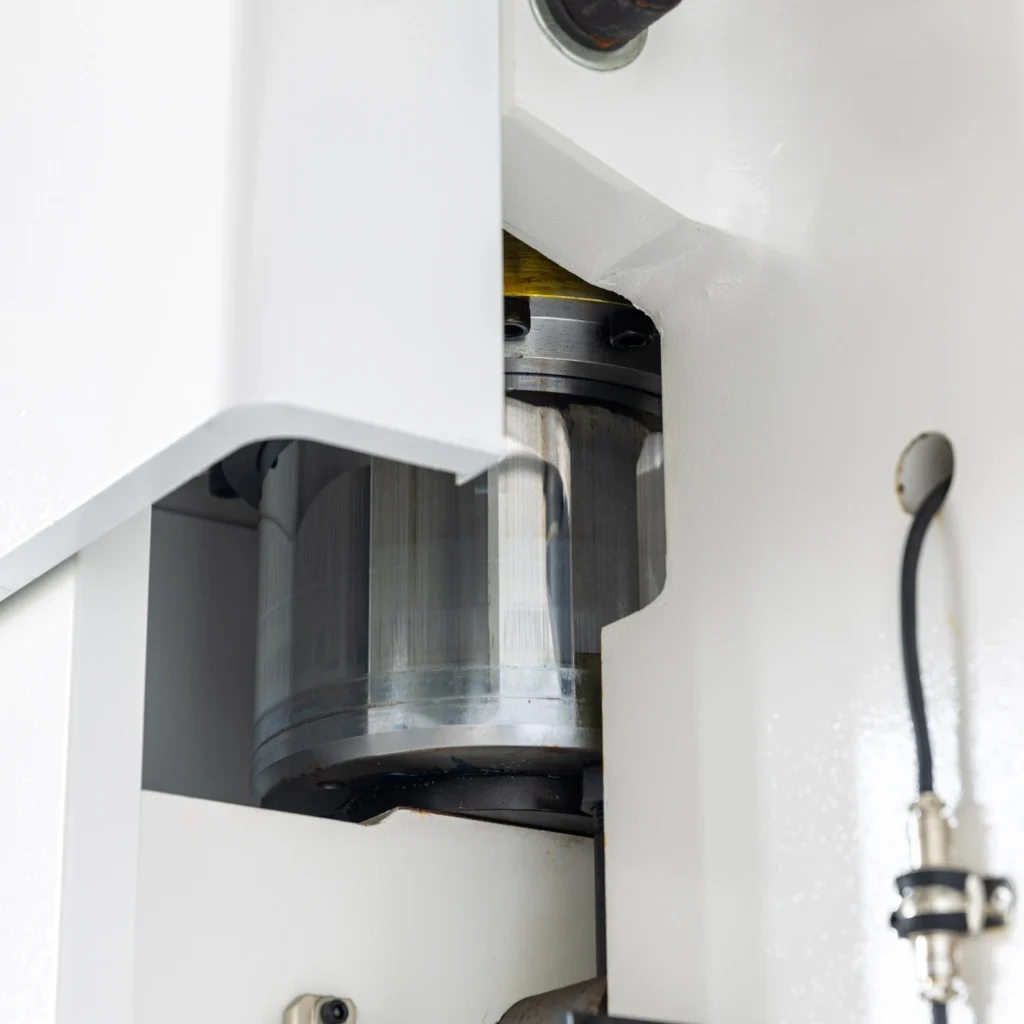
Preventive Maintenance Schedule
Task | Frequency | Cost Estimate | Impact |
Replace hydraulic oil and filters | Every 6 months | $200-$500 | Reduces contamination by 80% |
Inspect servo valve response | Quarterly | $100-$300 | Prevents 90% of valve-related failures |
Lubricate mechanical components | Monthly | $50-$150 | Extends component life by 30% |
Log and analyze fault data | Monthly | $0 (in-house) | Predicts 70% of potential failures |
FAQ: Press Brake Cylinder Failure Diagnosis and Solutions
Q: What are the main causes of press brake cylinder failure?
A: Valve core sticking, blockages, low control pressure, air in the system, or high fluid viscosity in cold conditions.
Q: How do I fix a stuck valve core or blocked valve hole?
A: Check fluid for contamination, clean or replace the valve core, and inspect valve body wear.
Q: Why does the cylinder not move or move slowly?
A: Inspect for tight seals, contamination, or misalignment. Replace worn seals and ensure proper cylinder alignment.
Q: How can I address low hydraulic pressure?
A: Adjust throttling resistance, verify valve settings, and check pressure source for interference.
Q: How do I prevent air in the hydraulic system?
A: Monitor fluid levels, inspect pump suction seals, and clean/replace coarse filters.
Q: Why is cylinder performance poor in cold conditions?
A: High fluid viscosity reduces flow. Use low-viscosity hydraulic oil or preheat the system with a heater.
Q: How often should I maintain my press brake cylinder?
A: Follow a quarterly maintenance schedule, including fluid checks, seal inspections, and valve calibrations.
Conclusion
Press brake cylinder maintenance is a cornerstone of reliable sheet metal fabrication. By addressing failure causes like contamination, air bubbles, and seal issues, and implementing systematic synchronization solutions, operators can achieve near-perfect bending accuracy and efficiency. Regular maintenance, supported by data-driven schedules and professional services like CAMT, can extend equipment lifespan by 3-7 years and reduce downtime costs by up to 40%. Invest in high-quality components and proactive care to keep your hydraulic or CNC press brake performing at its best.

Metalworking specialist with 12 years of experience in sheet metal fabrication and press brake applications, certified by ASME.