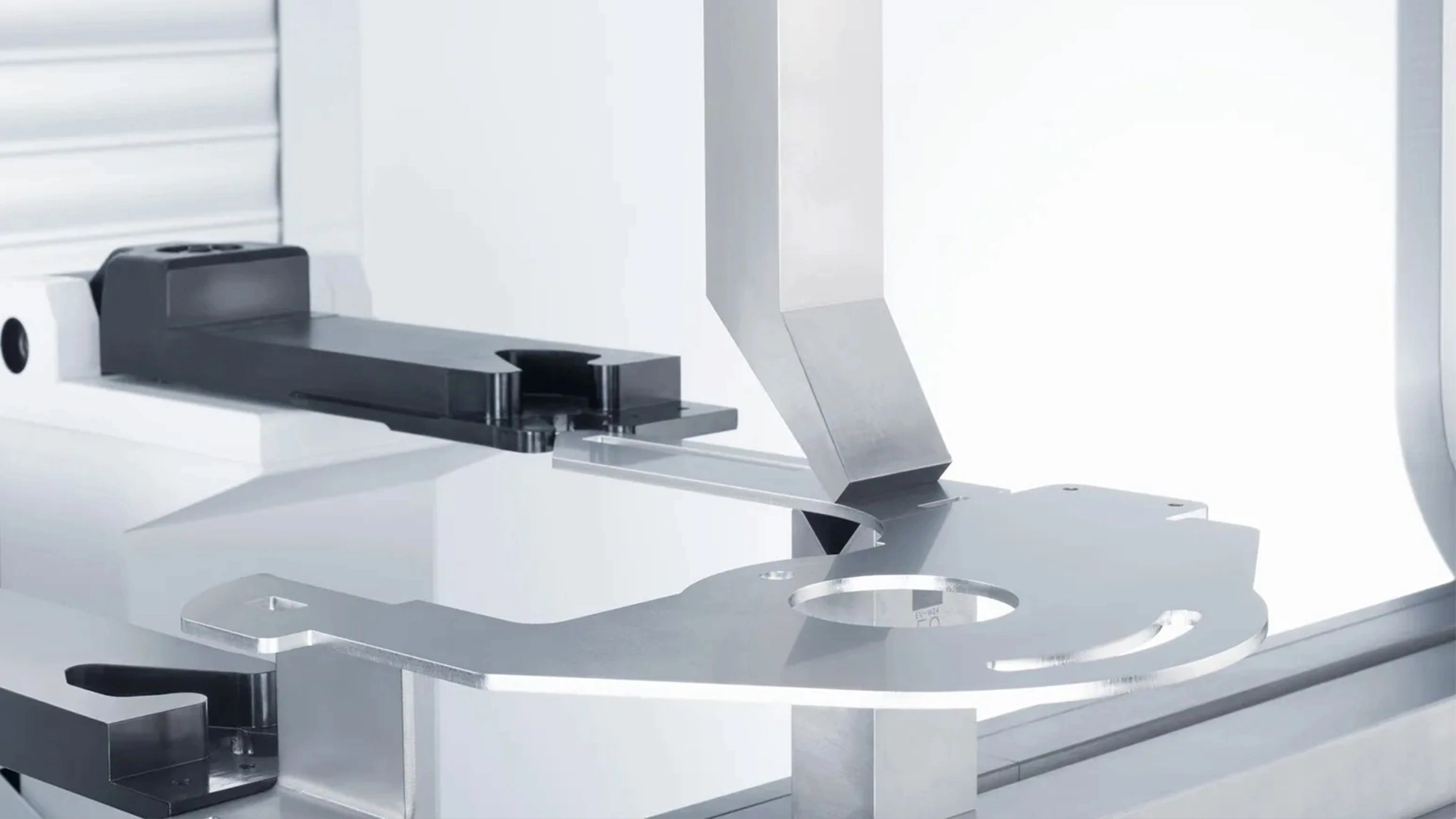







Key Factors Affecting Press Brake Accuracy and How to Achieve Optimal Results
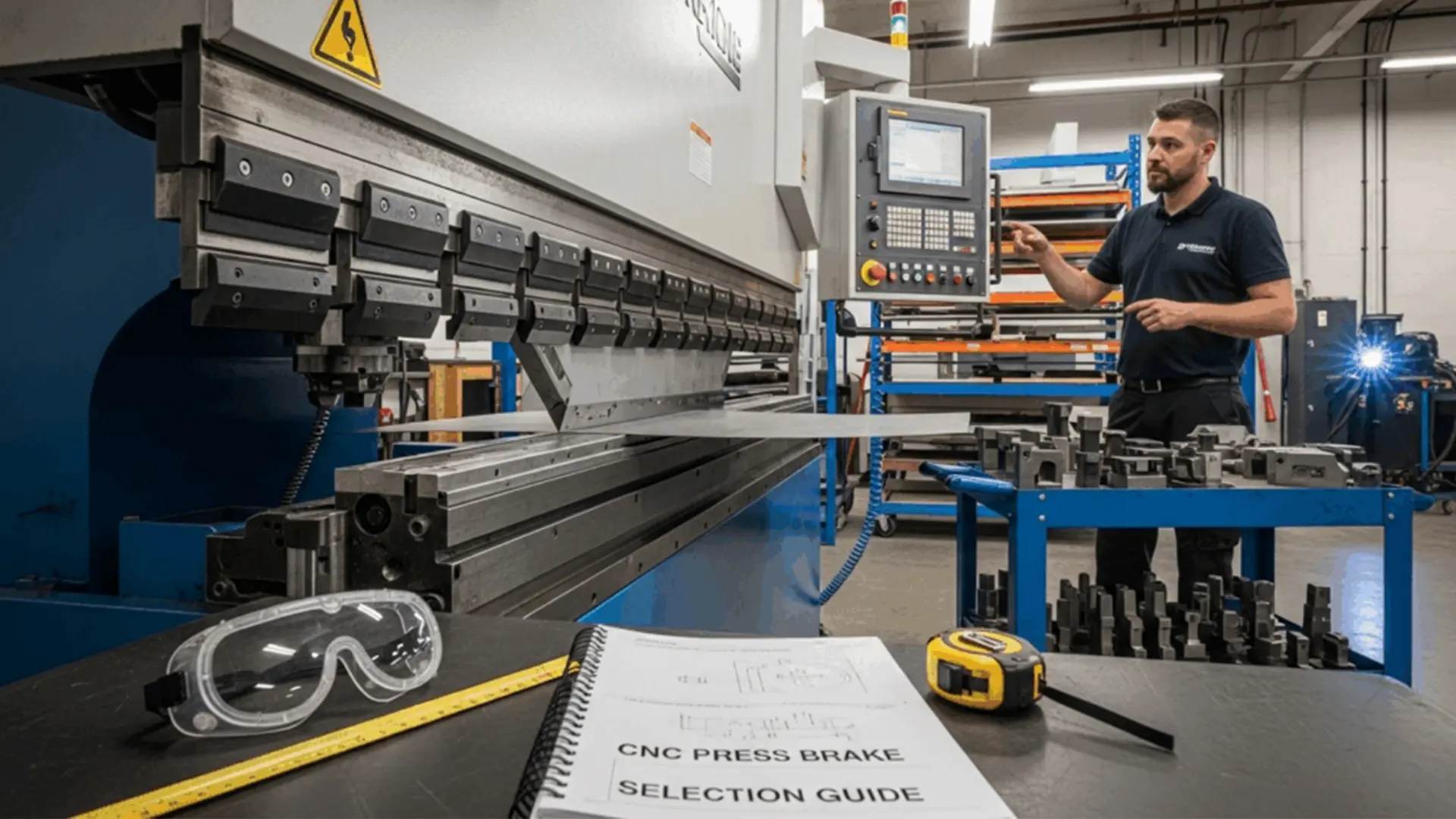
Operator Skill Operator errors account for up to 20% of press brake inaccuracies in manual setups. Comprehensive training on tool setup, parameter adjustment, and material handling is essential. : A 2024 industry report by Fabricators & Manufacturers Association International (FMA) found that certified operators reduced defect rates by 25% compared to untrained staff. : Implement a training program covering CNC programming, material properties, and safety protocols. Certify operators through industry-recognized programs.
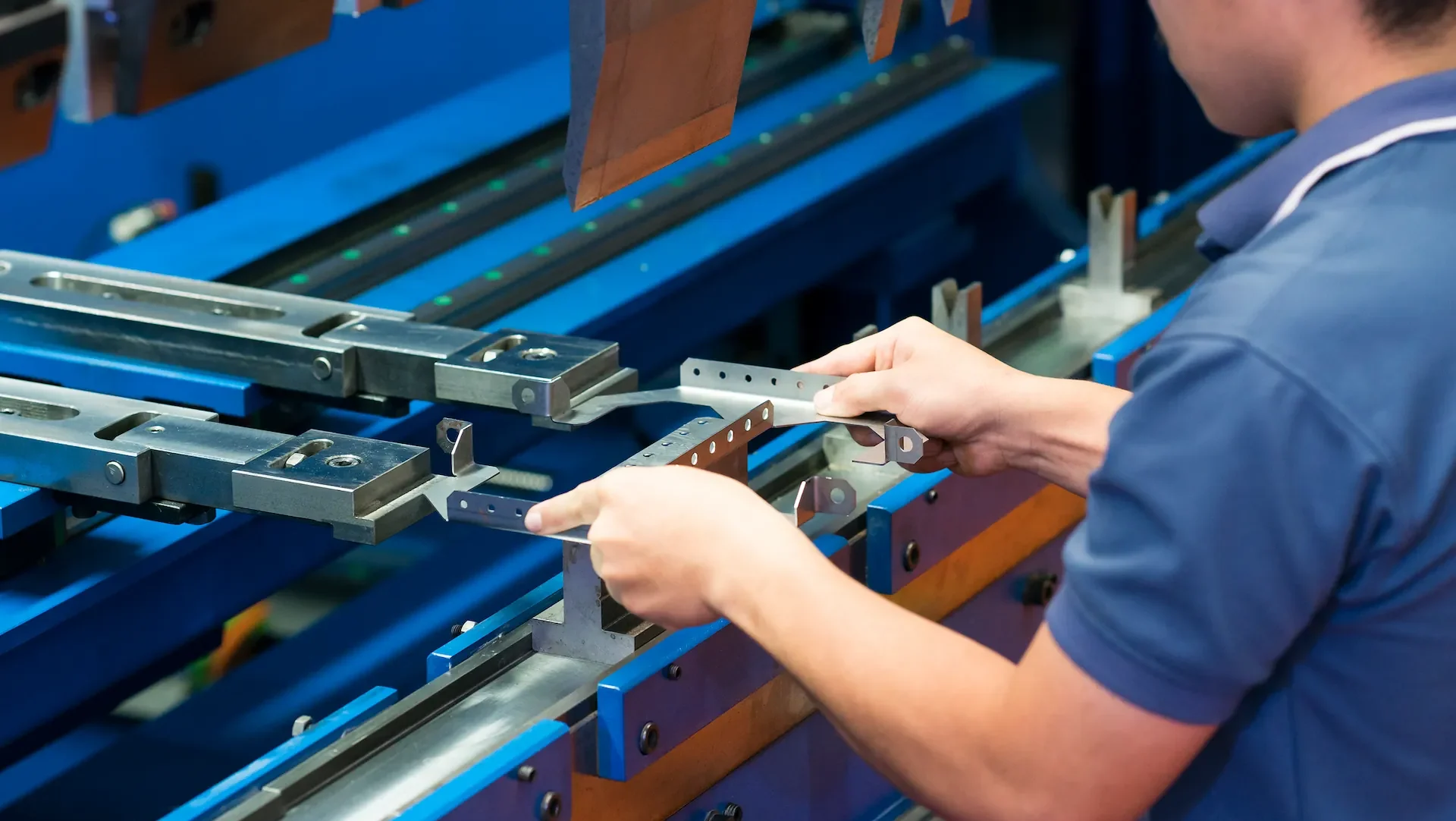
Automation
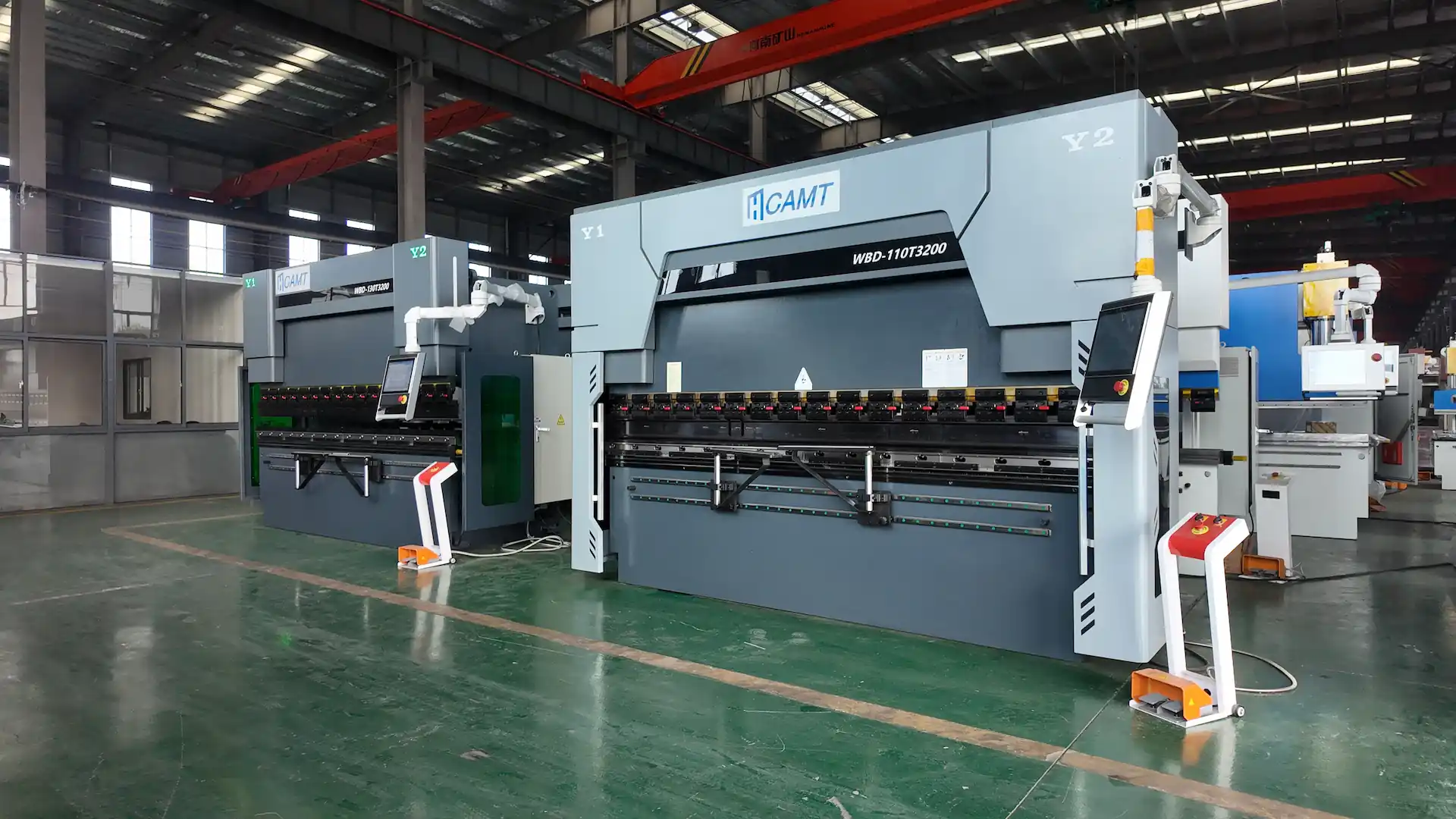
CNC press brakes with automated tool changers and robotic arms deliver ±0.05 mm precision, reducing human error by 80%. They are ideal for high-volume or complex parts.
: Use robotic press brakes for repetitive tasks, integrating AI-driven quality control to detect and correct errors in real time.
8. Environmental and Operational ConsiderationsTemperature and Humidity.
Environmental factors affect press brake accuracy. For example, a 10°C temperature rise can cause thermal expansion in tools, leading to 0.02 mm errors. High humidity (>70%) can corrode tools, reducing lifespan by 15%.: Maintain shop floor conditions at 20-25°C and 40-60% humidity. Use climate-controlled storage for tools to prevent corrosion.
Material StorageImproper storage (e.g., stacking sheets unevenly) can introduce stresses, affecting press brake performance. Sheets stored vertically with protective coatings maintain flatness, reducing errors by 10%.
: Store sheets in climate-controlled racks, ensuring flatness and cleanliness before press brake processing.9. Best Practices for Optimal Press Brake Results.
To achieve superior press brake accuracy:Select the Right Press Brake.
: Choose a machine with high precision (e.g., servo-electric press brakes for sheets <2 mm) and tonnage matched to material thickness.Optimize Process Parameters.
: Use simulation software (e.g., AutoForm) to predict springback and adjust angles/radii, achieving ±0.1° accuracy.
Ensure Tool Quality.
: Choose a machine with high precision (e.g., servo-electric press brakes for sheets <2 mm) and tonnage matched to material thickness.Enhance Operator Skills.
: Provide quarterly training and SOPs to reduce variability by 20%.
: Use simulation software (e.g., AutoForm) to predict springback and adjust angles/radii, achieving ±0.1° accuracy. | : Use CNC press brakes with real-time feedback for consistent bends, reducing defects by 30%. | Monitor Environmental Conditions |
|---|---|---|
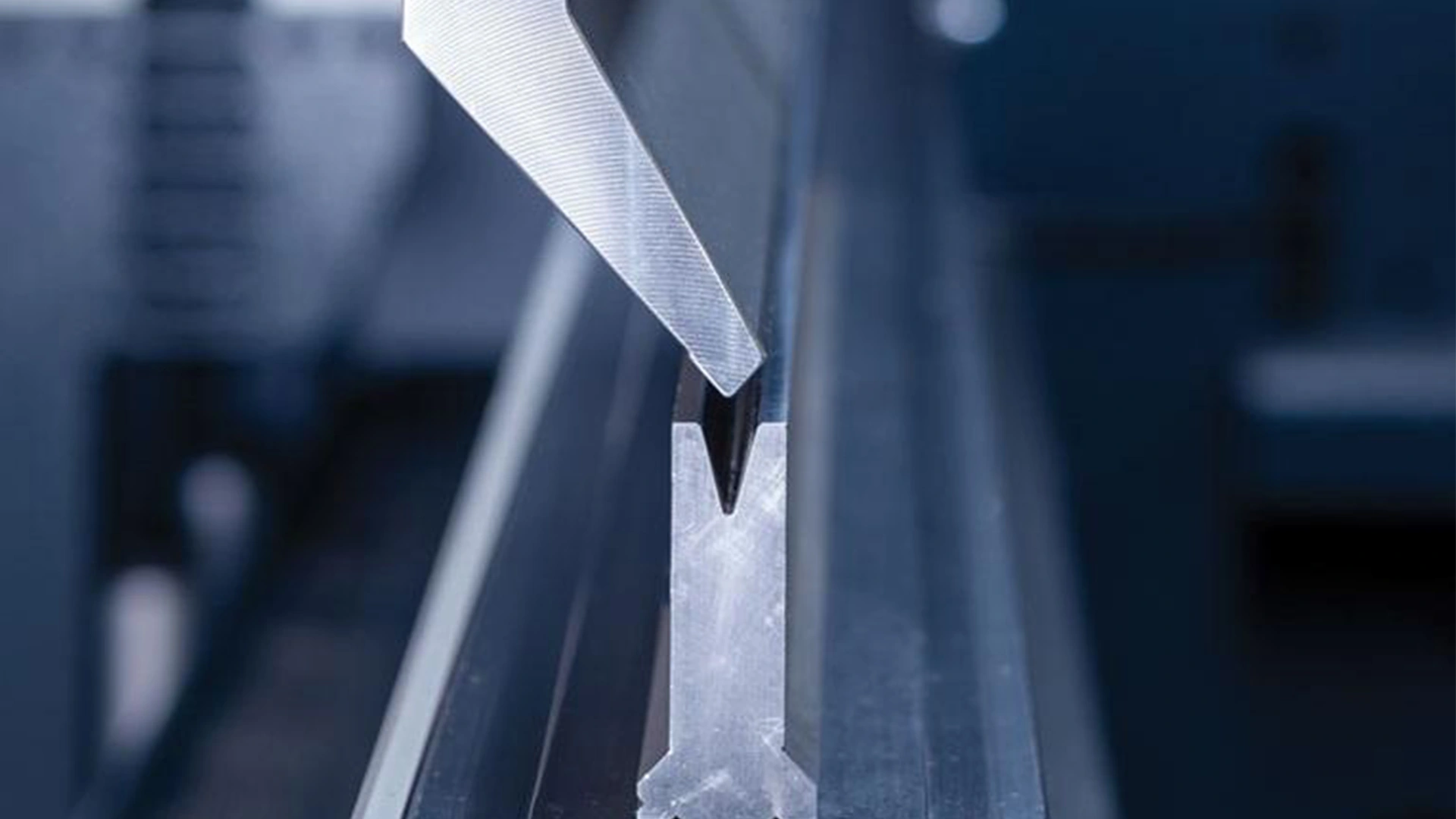
: Control shop floor temperature and humidity to minimize material and tool distortion. | Maximizing press brake accuracy requires a comprehensive approach, addressing material properties, tooling, machine precision, operator expertise, and environmental factors. By implementing these strategies—backed by data and industry best practices—manufacturers can achieve high-quality, consistent bends that meet stringent standards. For further guidance on optimizing press brake operations, explore our resources or consult our expert team. | Worn tools cause deviations in press brake accuracy. For example, a 0.1 mm edge rounding on a mold can increase angle errors by 1-2°. Regular maintenance—such as resurfacing or replacing molds—extends tool life by 20-30% and maintains quality. |
: Inspect molds monthly for wear (e.g., scratches, edge rounding). Refurbish through re-welding or precision grinding to restore ±0.005 mm tolerances. | Tool and Mold Selection | Tools made from high-carbon steel or carbide withstand press brake stresses (e.g., 1000 MPa during bending), maintaining shape over 10,000+ cycles. Precision-ground tools with ±0.005 mm tolerances are critical for high-accuracy parts. |
: Use material-specific tools (e.g., radiused punches for aluminum to prevent cracking). Verify tolerances with micrometers before each press brake run. | 5. Mold Clamping and Compensation Systems | Mold Clamping Devices |
Inconsistent clamping torque (e.g., ±10 Nm variation) can cause material slippage, leading to 1-2 mm positional errors. Automated quick-clamping systems ensure uniform pressure, reducing slippage by 90%.
: Use hydraulic or pneumatic clamping systemsWITH torque sensors to maintain consistent pressure across the mold during press brake operations.
Compensation SystemsAdvanced press brakes use compensation systems to address tool wear and springback:.
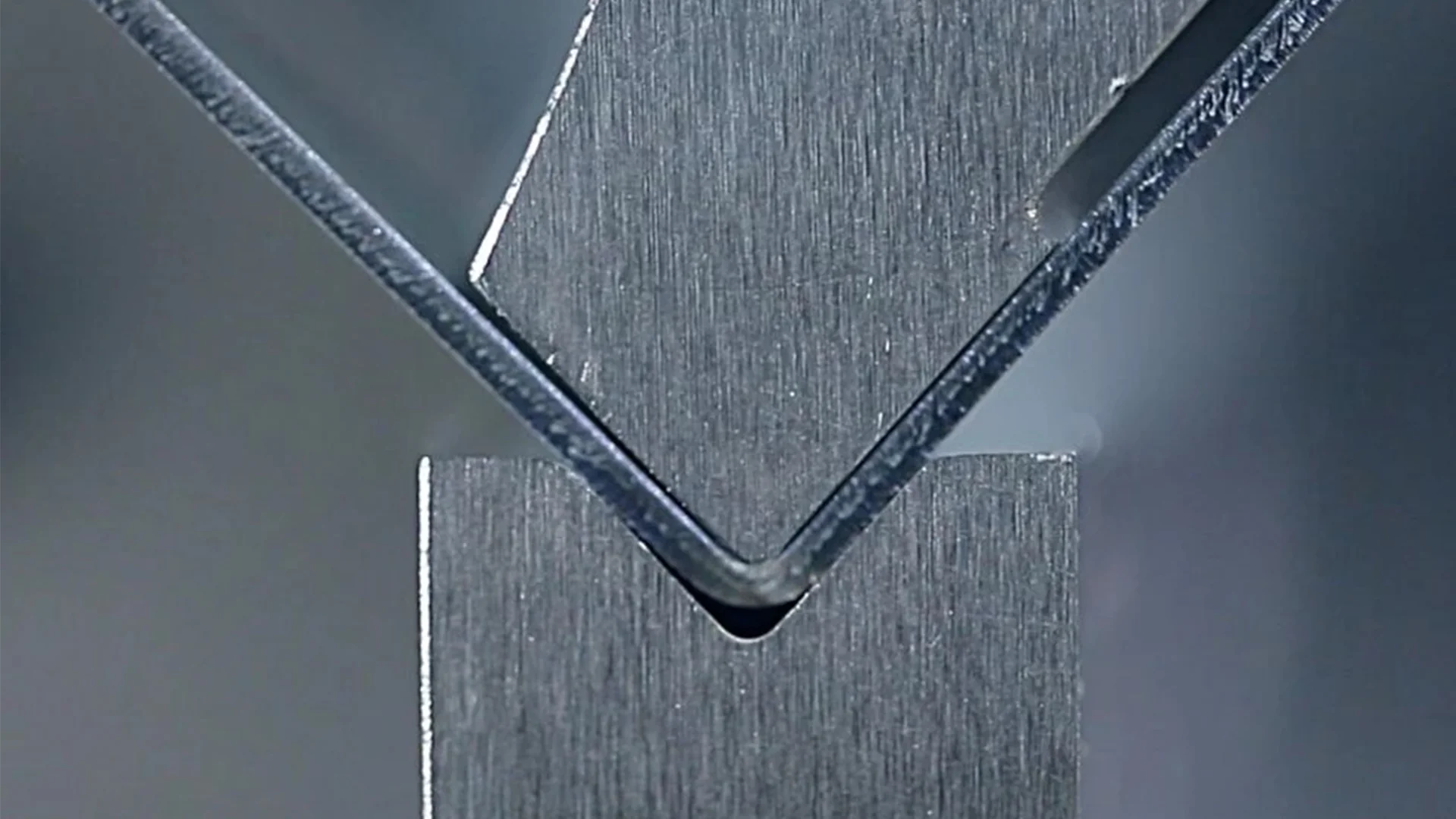
Pre-Compensation: Adjusts initial settings based on material data (e.g., 3° springback for carbon steel).
Real-Time Compensation: Modulates force during bending, correcting errors within 0.1 seconds.
: Choose a machine with high precision (e.g., servo-electric press brakes for sheets <2 mm) and tonnage matched to material thickness.: Adjusts at multiple points along the bend line, reducing errors by up to 60% for complex parts.
: Implement multi-point compensation for parts with varying thicknesses or geometries to ensure uniform press brake accuracy.
6. Press Brake Precision and Maintenance
Mechanical Precision
Press brake components—plungers, hydraulic systems, and back-gauges—must maintain tolerances of ±0.01 mm. Misaligned plungers or worn hydraulic seals can introduce 1-2 mm errors.: Calibrate press brake components quarterly using laser alignment tools. Verify back-gauge accuracy with digital gauges to ensure ±0.02 mm precision.
Press Brake Maintenance and CalibrationRegular maintenance prevents degradation:.
Replace hydraulic filters every 6 months to maintain flow consistency.Inspect electrical systems for loose connections, reducing downtime by 15%.
: Choose a machine with high precision (e.g., servo-electric press brakes for sheets <2 mm) and tonnage matched to material thickness.: Use predictive maintenance software to monitor press brake performance, detecting wear in components like hydraulic pumps before failures occur.
7. Human Factors and Automation
Operator Skill.
: Choose a machine with high precision (e.g., servo-electric press brakes for sheets <2 mm) and tonnage matched to material thickness.: A 2024 industry report by Fabricators & Manufacturers Association International (FMA) found that certified.
operators reduced defect rates by 25% compared to untrained staff.
: Implement a training program covering CNC programming, material properties, and safety protocols. Certify operators through industry-recognized programs.
Automation.
: Choose a machine with high precision (e.g., servo-electric press brakes for sheets <2 mm) and tonnage matched to material thickness.: Use robotic press brakes for repetitive tasks, integrating AI-driven quality control to detect and correct errors in real time.
8. Environmental and Operational Considerations
Temperature and Humidity.
: Choose a machine with high precision (e.g., servo-electric press brakes for sheets <2 mm) and tonnage matched to material thickness.: Maintain shop floor conditions at 20-25°C and 40-60% humidity. Use climate-controlled storage for tools to prevent corrosion.
Material Storage
Improper storage (e.g., stacking sheets unevenly) can introduce stresses, affecting press brake performance. Sheets stored vertically with protective coatings maintain flatness, reducing errors by 10%.
: Store sheets in climate-controlled racks, ensuring flatness and cleanliness before press brake processing.
: Choose a machine with high precision (e.g., servo-electric press brakes for sheets <2 mm) and tonnage matched to material thickness.To achieve superior press brake accuracy:.
Select the Right Press Brake
: Choose a machine with high precision (e.g., servo-electric press brakes for sheets <2 mm) and tonnage matched to material thickness.
Optimize Process Parameters: Use simulation software (e.g., AutoForm) to predict springback and adjust angles/radii, achieving ±0.1° accuracy.
Ensure Tool Quality: Maintain tools with sharp edges and correct angles, replacing worn components after 8,000 cycles.
Enhance Operator Skills: Provide quarterly training and SOPs to reduce variability by 20%.
: Choose a machine with high precision (e.g., servo-electric press brakes for sheets <2 mm) and tonnage matched to material thickness.: Use CNC press brakes with real-time feedback for consistent bends, reducing defects by 30%.
Monitor Environmental Conditions
: Control shop floor temperature and humidity to minimize material and tool distortion.
Maximizing press brake accuracy requires a comprehensive approach, addressing material properties, tooling, machine precision, operator expertise, and environmental factors. By implementing these strategies—backed by data and industry best practices—manufacturers can achieve high-quality, consistent bends that meet stringent standards. For further guidance on optimizing press brake operations, explore our resources or consult our expert team.
: Choose a machine with high precision (e.g., servo-electric press brakes for sheets <2 mm) and tonnage matched to material thickness.Read more about Press Brake Maintenance and Repair.
Read more about Practical Methods for Press Brake Accuracy with Long Term Precision
Read more about Practical Guidance For Press Brake Operation
Read more about How to Properly Install a Press Brake Machine.
전기 시스템의 느슨한 연결을 검사하여 가동 중단 시간을 15% 줄입니다.
제어 알고리즘을 최적화하기 위해 CNC 소프트웨어를 매년 업데이트합니다.
: Choose a machine with high precision (e.g., servo-electric press brakes for sheets <2 mm) and tonnage matched to material thickness.: 예측 유지보수 소프트웨어를 사용하여 프레스 브레이크 성능을 모니터링하고, 유압 펌프와 같은 부품의 마모를 고장 발생 전에 감지합니다.
7. 인적 요소 및 자동화
작업자 기술
수동 설정에서 작업자 오류는 프레스 브레이크 부정확성의 최대 20%를 차지합니다. 공구 설정, 매개변수 조정 및 재료 취급에 대한 포괄적인 교육이 필수적입니다.
Replace hydraulic filters every 6 months to maintain flow consistency.: Fabricators & Manufacturers Association International (FMA)의 2024년 산업 보고서에 따르면, 인증된 operators reduced defect rates by 25% compared to untrained staff. 작업자는 미숙련 직원보다 불량률을 25% 줄였습니다.
: Choose a machine with high precision (e.g., servo-electric press brakes for sheets <2 mm) and tonnage matched to material thickness.: CNC 프로그래밍, 재료 특성 및 안전 프로토콜을 다루는 교육 프로그램을 구현합니다. 산업에서 인정하는 프로그램을 통해 작업자를 인증합니다.
자동화
자동 공구 교환기 및 로봇 팔을 갖춘 CNC 프레스 브레이크는 ±0.05mm의 정밀도를 제공하여 인적 오류를 80% 줄입니다. 이는 대량 생산 또는 복잡한 부품에 이상적입니다.
: Choose a machine with high precision (e.g., servo-electric press brakes for sheets <2 mm) and tonnage matched to material thickness.: 반복적인 작업에 로봇 프레스 브레이크를 사용하고, AI 기반 품질 관리를 통합하여 실시간으로 오류를 감지하고 수정합니다.
8. 환경 및 운영 고려 사항
온도 및 습도
환경 요인은 프레스 브레이크 정확도에 영향을 미칩니다. 예를 들어, 10°C의 온도 상승은 공구의 열팽창을 유발하여 0.02mm의 오차를 초래할 수 있습니다. 높은 습도(>70%)는 공구를 부식시켜 수명을 15% 단축시킬 수 있습니다.
: Choose a machine with high precision (e.g., servo-electric press brakes for sheets <2 mm) and tonnage matched to material thickness.: 작업장 환경을 20-25°C 및 40-60% 습도로 유지합니다. 부식을 방지하기 위해 공구에 대한 항온항습 보관을 사용합니다.
재료 보관
Improper storage (e.g., stacking sheets unevenly) can introduce stresses, affecting press brake performance. Sheets stored vertically with protective coatings maintain flatness, reducing errors by 10%.
: Choose a machine with high precision (e.g., servo-electric press brakes for sheets <2 mm) and tonnage matched to material thickness.: Store sheets in climate-controlled racks, ensuring flatness and cleanliness before press brake processing.
9. Best Practices for Optimal Press Brake Results
To achieve superior press brake accuracy:
Select the Right Press Brake: Choose a machine with high precision (e.g., servo-electric press brakes for sheets <2 mm) and tonnage matched to material thickness.
Optimize Process Parameters: Use simulation software (e.g., AutoForm) to predict springback and adjust angles/radii, achieving ±0.1° accuracy.
Ensure Tool Quality: Maintain tools with sharp edges and correct angles, replacing worn components after 8,000 cycles.
Enhance Operator Skills: Provide quarterly training and SOPs to reduce variability by 20%.
Leverage Automation: Use CNC press brakes with real-time feedback for consistent bends, reducing defects by 30%.
Monitor Environmental Conditions: Control shop floor temperature and humidity to minimize material and tool distortion.
Conclusion
Maximizing press brake accuracy requires a comprehensive approach, addressing material properties, tooling, machine precision, operator expertise, and environmental factors. By implementing these strategies—backed by data and industry best practices—manufacturers can achieve high-quality, consistent bends that meet stringent standards. For further guidance on optimizing press brake operations, explore our resources or consult our expert team.

Metalworking specialist with 12 years of experience in sheet metal fabrication and press brake applications, certified by ASME.