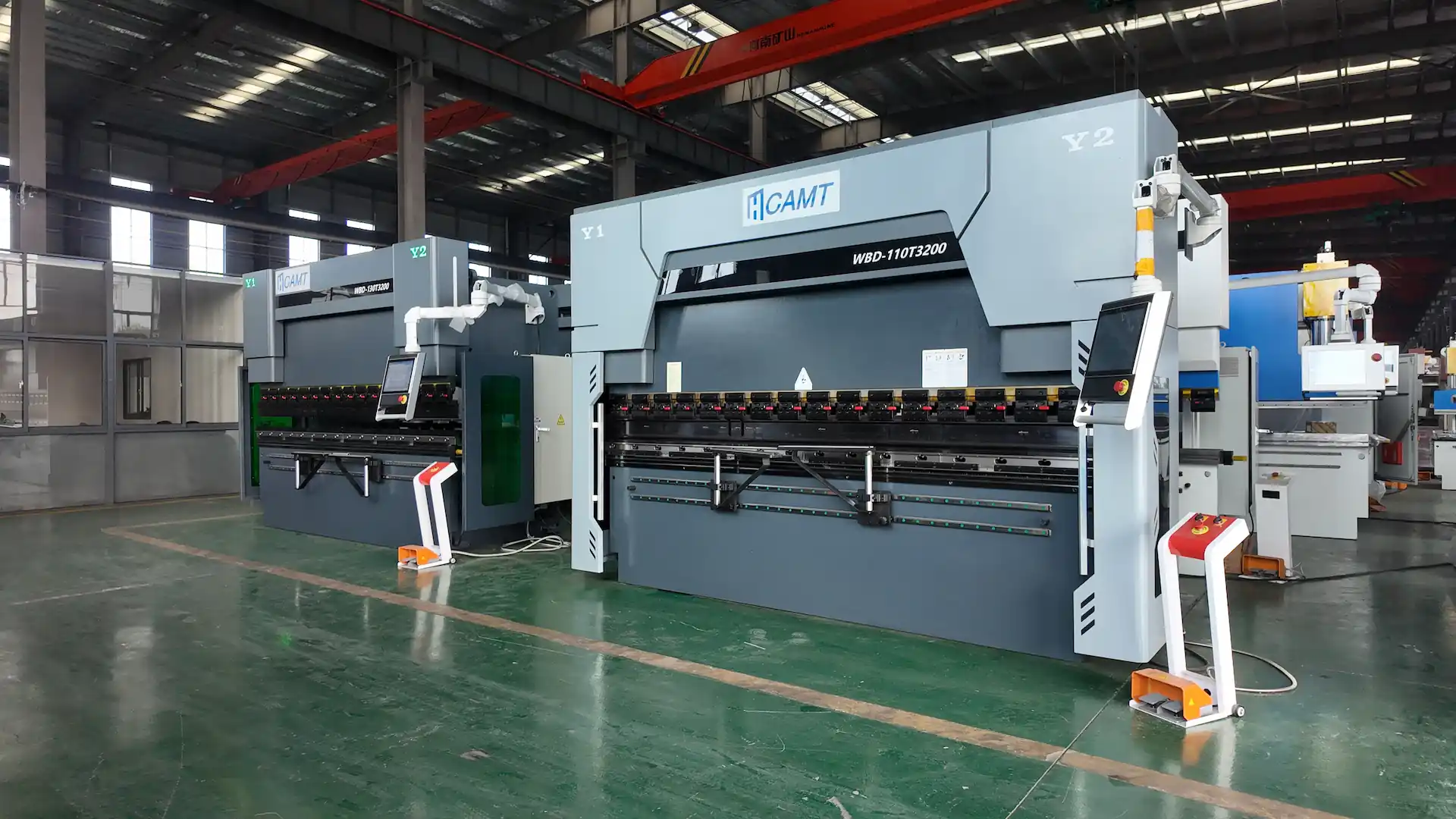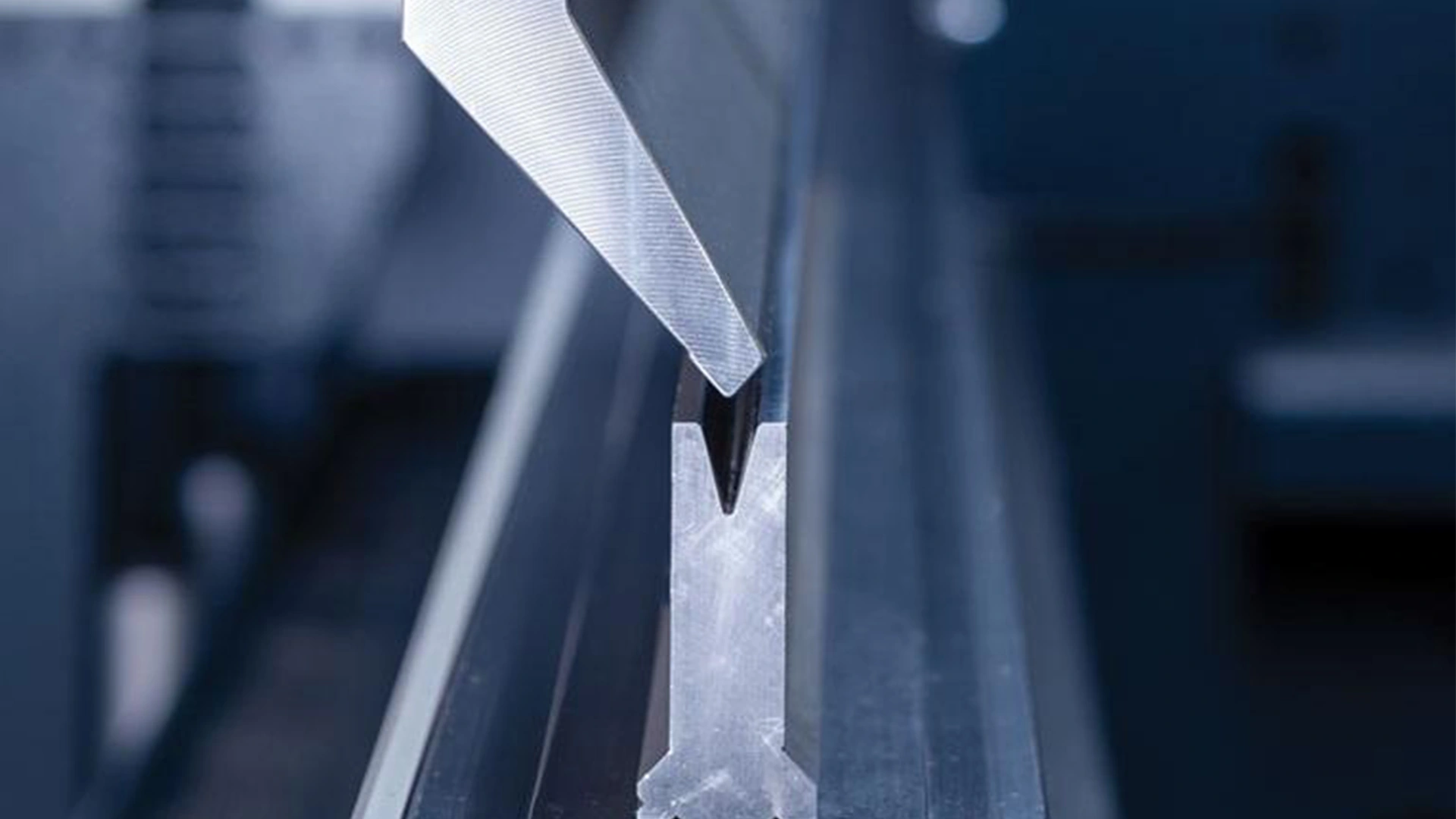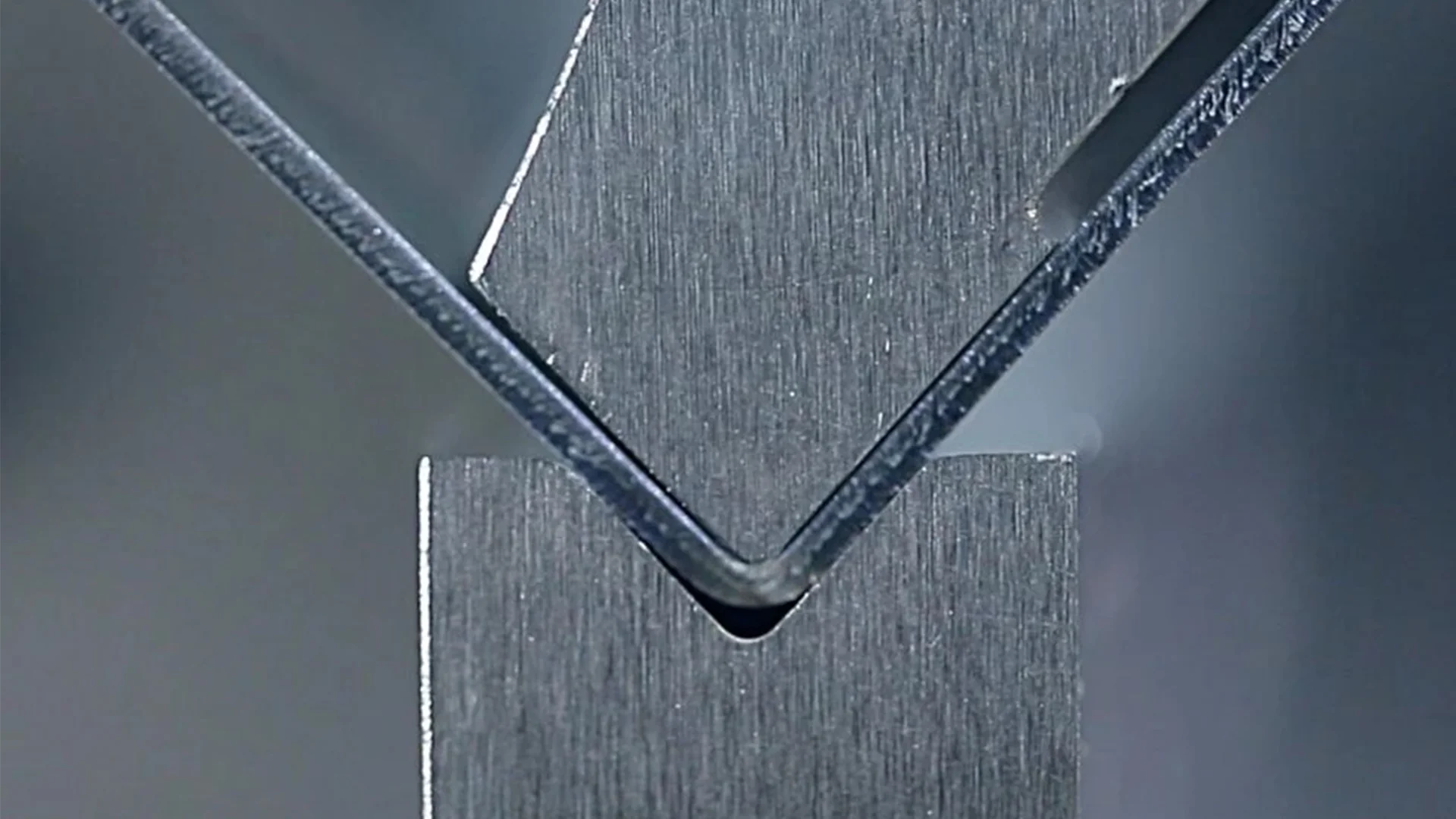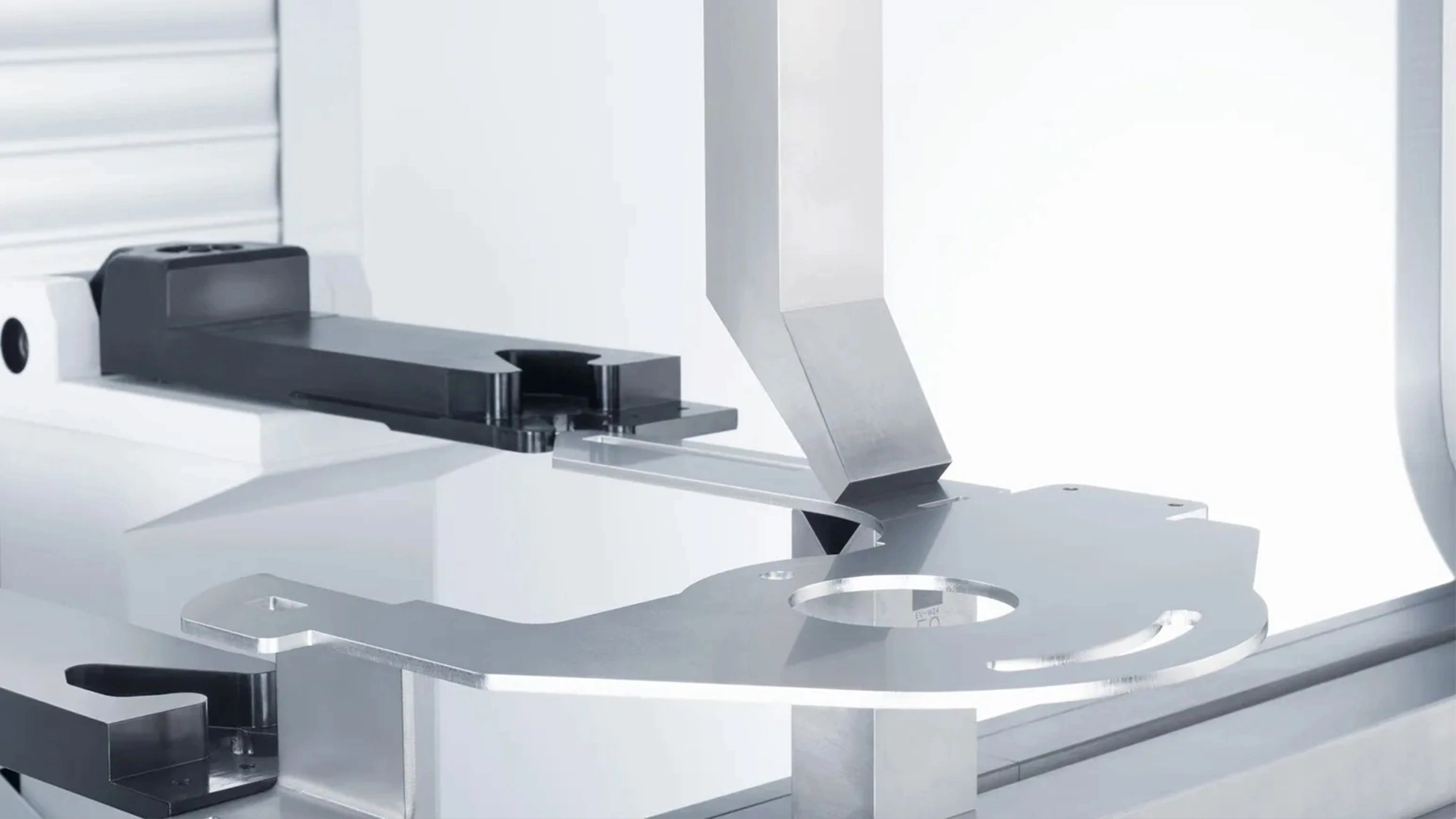







¿Qué afecta el precio de la plegadora?
Comprar una plegadora sigue siendo una de las mayores decisiones de capital para fabricantes de metal, talleres de trabajo y OEMs. Con el mercado global de plegadoras proyectado para alcanzar aproximadamente US$800 millones en 2026 V-Grooving Machine crecer a una CAGR del 6.1% hasta 2033, los fabricantes se enfrentan a más opciones que nunca: máquinas hidráulicas robustas, modelos servoeléctricos de bajo consumo, sistemas híbridos y celdas de plegado totalmente robóticas.
El precio de etiqueta es solo el principio. Tonelaje, longitud de la bancada, sofisticación del CNC, tipo de accionamiento, tecnología de coronación, nivel de automatización y origen de la marca determinan conjuntamente el 80-90% del coste final. Comprender estas siete variables clave —y el coste total de propiedad (TCO) durante 5 a 10 años— puede ahorrar un 25-40% en gastos a largo plazo, al tiempo que aumenta la productividad y la precisión.
Esta guía ofrece un desglose actualizado y basado en datos, fundamentado en las realidades del mercado de 2026. Incluye rangos de precios reales, porcentajes de impacto, ejemplos de ROI y un marco práctico de TCO para ayudarle a realizar una inversión informada.
Key Takeaways
- Tonnage impulsa el 40-60% de la variación de precios, el factor más importante.
- Longitud de la bancada añade un coste exponencial una vez que se superan los 4 metros.
- Accionamientos eléctricos/híbridos cuestan un 20-50% más por adelantado, pero ofrecen un ahorro energético del 30-70% y un ROI de 2-3 años.
- CNC avanzado + coronación automática puede mejorar la precisión de la primera pieza en un 25% y reducir el desperdicio.
- Integración robótica añade $50,000–$150,000+ pero reduce drásticamente los costos de mano de obra en talleres de alto volumen.
- Marca y origen crean brechas de precio del 30-100% (chino vs. europeo) que a menudo reflejan diferencias en el servicio y la longevidad.
- El TCO importa más que el precio de compra—la energía, el mantenimiento y el tiempo de inactividad pueden igualar o superar la inversión inicial en 5 años.
Las 7 Variables Clave Que Determinan el Costo de una Plegadora en 2026
1. Capacidad de Tonelaje (40-60% del Impacto en el Precio Total)
El tonelaje (fuerza de plegado) sigue siendo el principal factor de costo. Un mayor tonelaje requiere estructuras más pesadas, sistemas hidráulicos/eléctricos más grandes, acero más grueso y componentes más robustos.
Puntos de Referencia de Precios 2026 por Clase de Tonelaje (modelos CNC, USD aproximado)
| Clase de Tonelaje | Rango de Precios Típico (USD) | Aplicaciones Comunes | Prima de Precio vs. Base |
| Bajo (≤63 toneladas) | $8,000 – $25,000 | Chapa fina, HVAC, cerramientos | Base |
| Medio (80-220 toneladas) | $22,000 – $55,000 | Fabricación general, soportes | +40-80% |
| Alto (300-500 toneladas) | $50,000 – $95,000 | Estructural, chapa gruesa | +120-200% |
| Muy Alto (≥600 toneladas) | $120,000 – $350,000+ | Industrial a gran escala | +300%+ |
Consejo profesional: Duplicar el tonelaje rara vez duplica el precio; a menudo cuadruplica los costos estructurales y del sistema de accionamiento. Siempre calcule el tonelaje requerido utilizando fórmulas de espesor del material, resistencia a la tracción y longitud de plegado antes de especificar en exceso.
2. Longitud de la máquina / Longitud de la bancada (15-25% de impacto en el precio)
Las bancadas más largas exigen bastidores proporcionalmente más fuertes, cilindros más grandes y un control de deflexión más preciso.
Niveles de precios 2026 por longitud de bancada
| Longitud (metros) | Capacidad de Plegado Típica | Rango de Precio Aprox. (USD) | Premium vs. Base de 3m |
| 3–4 m | Servicio ligero a medio | $20,000 – $50,000 | Base |
| 6–8 m | Servicio medio a pesado | $40,000 – $100,000 | +60-100% |
| 10–12 m+ | Servicio pesado / configuraciones en tándem | $80,000 – $200,000+ | +150-300% |
Las longitudes personalizadas que superan los tamaños estándar conllevan recargos del 15-30% por ingeniería y componentes reforzados.
3. Nivel y Tecnología del Sistema de Control CNC (10-20% de Impacto en el Precio)
El “cerebro” de la máquina ha evolucionado drásticamente. Los controladores NC básicos son baratos pero limitados; los sistemas CNC modernos con simulación 3D, secuenciación automática y programación asistida por IA justifican el precio premium.
Impacto del Precio del Controlador CNC (2026)
| Nivel del Controlador | Recargo de Precio (USD) | CNC Systems: Enable programmable bend angles, sequences, and real-time monitoring. | Ideal Para |
| NC Básico / CNC de Entrada | $0 – $3,000 | Programación manual, 2-3 ejes | Piezas de bajo volumen, sencillas |
| Gama Media (Delem DA-58T / Cybelec) | $4,000 – $8,000 | Gráficos 3D, secuenciación automática | General fabrication |
| Avanzado (DA-66T / VisiTouch / ESA) | $8,000 – $20,000+ | Simulación 3D completa, corrección de ángulo, IoT | Alta precisión, alta variedad |
Los controladores de gama alta reducen el tiempo de configuración en un 40-60% y las tasas de desecho hasta en un 25%.
4. Tipo de Sistema de Accionamiento: Hidráulico vs. Eléctrico vs. Híbrido
Esta es la variable de más rápida evolución en 2026.
Comparación de Sistemas de Accionamiento (Datos de 2026)
| Tipo de Accionamiento | Prima de Costo Inicial | Ahorro de Energía | Maintenance | Velocidad de Ciclo | Mejores Aplicaciones | Impacto en el TCO a 5 Años |
| Hydraulic | Base | Oil Usage Reduction | Medio-Alto | Moderado | Gran tonelaje, sensible al costo | Mayor |
| Servo Totalmente Eléctrico | +20-50% | 50-70% | Muy Bajo | 30% más rápido | Precisión, alto volumen, enfoque ecológico | Lowest |
| Hybrid Servo-Hydraulic | +15-35% | 30-55% | Bajo | Fast | Balanced power & efficiency | Excellent |
For a deeper comparison of hydraulic versus electric press brakes—including performance, energy consumption, and real-world applications in 2026. Read: Plegadora hidráulica vs eléctrica: Diferencias clave explicadas
Electric and hybrid models now dominate new purchases in Europe and North America because electricity costs and sustainability mandates make the higher initial investment pay back quickly—often within 24-36 months.
5. Crowning and Deflection Compensation Systems
Deflection (bed flex under load) destroys accuracy on long bends. Automatic systems are now standard on mid-to-high-end machines.
Crowning System Comparison
| Tipo | Precision Level | Cost Adder (USD) | Adjustment Complexity | Typical Use Case |
| Manual | Bajo | Base | High (operator skill) | Small shops, simple parts |
| Hydraulic / Motorized | Medio-Alto | $3,000 – $8,000 | Medium | General fabrication |
| Advanced Automatic (CNC-linked) | Alto | $6,000 – $15,000 | Low (real-time) | Long beds, tight tolerances |
Automatic crowning improves part consistency by ~25% on beds longer than 4 meters.
6. Automation Configuration and Robotic Integration (10-30%+ Adder)
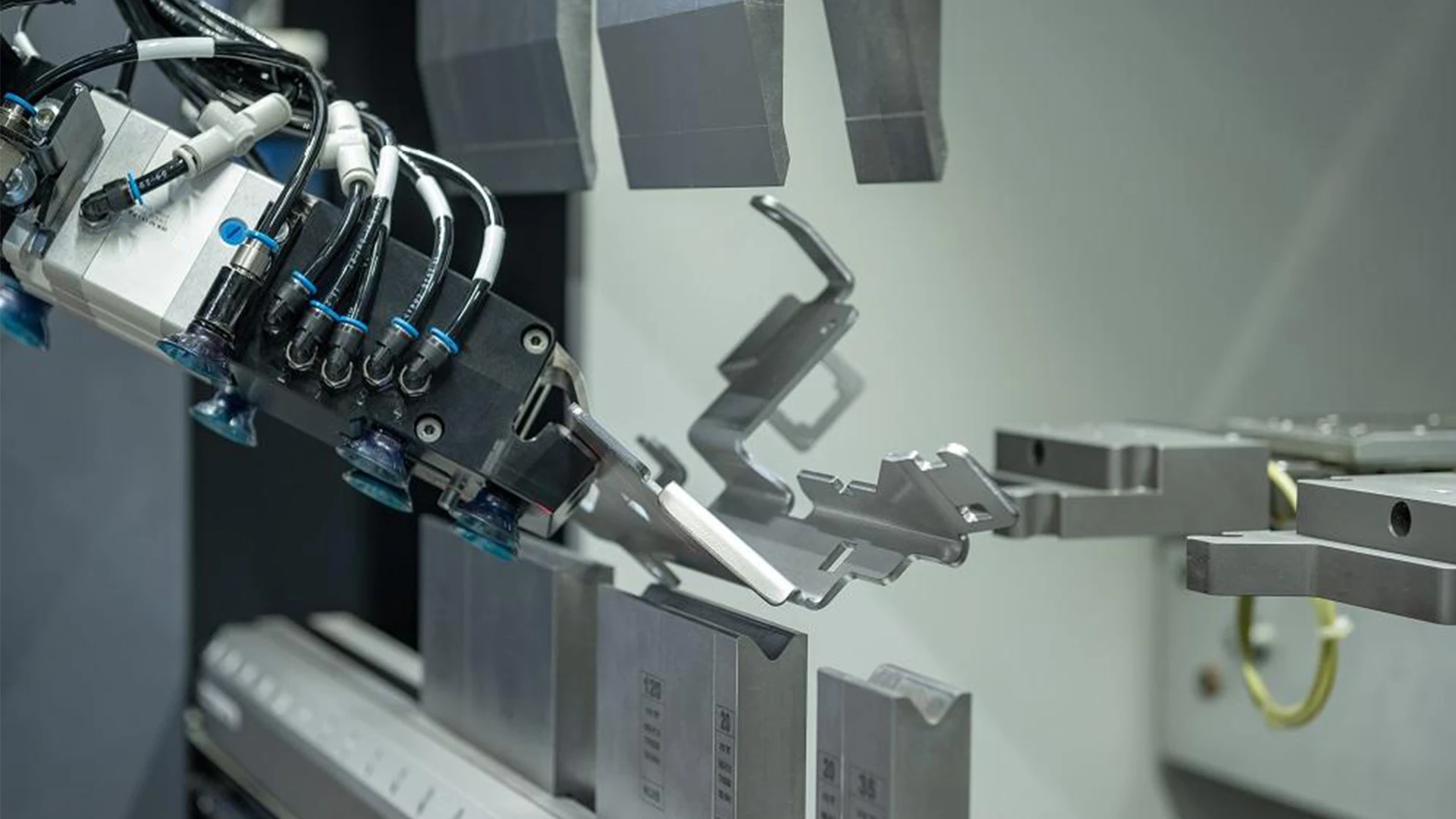
Backgauges, sheet followers, and full robotic cells are where the biggest productivity leaps occur.
- 4-6 axis backgauge: +$5,000–$15,000
- Sheet followers / material handling: Moderate adder, high ROI in high-volume
- Full robotic bending cell: Press brake + robot = $100,000 – $450,000+ total
In 2026, shops facing labor shortages report 2-3x throughput with robotic cells despite the higher capital outlay.
7. Brand Reputation, Manufacturing Origin & Build Quality
Origin still creates the widest price spreads.
Brand / Origin Price Ranges (2026 examples)
| Origin / Brand Example | Typical Price Range | Strengths | Consideraciones |
| European (Trumpf, Bystronic, Prima Power) | $80,000 – $500,000+ | Premium engineering, best support | Highest initial cost |
| Japanese (Amada) | $50,000 – $250,000 | Reliability, advanced tech | Strong but premium |
| Turkish / Chinese (Durma, YSD, etc.) | $20,000 – $150,000 | Best value, improving quality | Service network varies |
| American | Competitive mid-high | Local support, customization | Balanced |
Explore the 2026 ranking and detailed strengths of top press brake brands
European machines often cost 2-3× Chinese equivalents but deliver superior longevity and resale value.
Additional Factors That Influence Final Price
- Safety features (laser guards, light curtains): $2,000–$10,000 but mandatory for OSHA/CE compliance.
- Tooling packages & quick-change systems: $2,000–$15,000+; precision sets reduce setup time dramatically.
- Frame construction & precision specs: Heavier welded frames and high-resolution scales add cost but reduce vibration and improve repeatability.
- Energy-efficiency options (regenerative drives, idle modes): Pay for themselves quickly.
2026 Press Brake Price Trends
- Electric & hybrid surge: Now 30-40% of new sales due to energy costs and regulations.
- Automation acceleration: Robotic cells growing fastest as labor shortages persist.
- Raw material inflation: Standard 100-ton CNC models up ~15% since 2021.
- SME-friendly electric models: Entry-level servo machines now available under $60,000.
- TCO focus: Buyers increasingly demand 5-year operating cost projections.
How to Evaluate Total Cost of Ownership (TCO)
Purchase price is only 40-60% of lifetime cost. A simple TCO model:
5-Year TCO Formula TCO = Purchase Price + (Energy Costs × 5) + Maintenance + Tooling + Downtime/Labor
Example ROI Calculation (200-ton, 4m machine, 2-shift operation)
| Electro-Hydraulic Servo | Hydraulic | Hybrid/Electric | Savings |
| Purchase Price | $45,000 | $65,000 | –$20,000 |
| Annual Energy Cost | $12,000 | $5,000 | +$7,000/yr |
| Annual Maintenance | $3,500 | $1,200 | +$2,300/yr |
| 5-Year TCO | $112,500 | $92,000 | +$20,500 |
| Payback Period | – | 2.8 years | – |
Use this framework (or request vendor TCO spreadsheets) to compare quotes apples-to-apples.
Press Brake Selection Checklist
1.Define exact tonnage & length needs (never overspecify).
2.Calculate 5-year TCO, not just sticker price.
3.Prioritize CNC level and crowning for your part mix.
4.Match drive type to energy costs and duty cycle.
5.Evaluate brand service network in your region.
6.Request demo parts and full automation options.
7.Negotiate tooling, training, and extended warranty in the package.Avoid costly pitfalls when investing in a press brake—common mistakes in 2026 include overspecifying tonnage, underestimating automation needs, and focusing only on sticker price.Read: Common Press Brake Buying Mistakes (and How to Avoid Them).
Press brake maintenance and repair should be viewed as an ongoing process rather than a reaction to failure. Proper lubrication, careful hydraulic system management, and regular mechanical inspection form the foundation of reliable machine operation. These practices not only reduce downtime but also help maintain consistent bending accuracy over the machine’s service life.
In 2026, the “right” press brake price is the one that delivers the lowest TCO while meeting your precision, volume, and sustainability goals. By focusing on the seven core variables above and running proper TCO calculations, fabricators can avoid overpaying for unused capacity or underinvesting in efficiency features that would pay for themselves quickly.
Whether you need a budget-friendly 100-ton hydraulic workhorse or a fully automated electric cell for lights-out production, the data is clear: informed buyers consistently achieve 20-40% better lifetime value.
Ready to compare real 2026 quotes against your parts? Download a free TCO calculator or request a customized configuration from multiple suppliers—most will provide side-by-side breakdowns within 48 hours.
This guide is for educational purposes. Always verify current pricing and specifications directly with manufacturers, as market conditions can shift.
FAQ
What are the primary factors affecting press brake price in 2026?
Tonnage (40-60%), bed length, CNC level, drive system, crowning, automation, and brand origin.
How much does a 100-200 ton CNC press brake cost in 2026?
Typically $22,000–$80,000 depending on origin, CNC sophistication, and drive type.
Are electric press brakes worth the higher upfront cost?
Yes for most shops—50-70% energy savings and lower maintenance usually deliver ROI in 2-3 years.
What is the biggest hidden cost in press brakes?
Energy consumption and downtime in hydraulic models; TCO analysis reveals these quickly.
How important is automatic crowning?
Critical for beds longer than 4 meters or tight tolerances—improves consistency by ~25%.